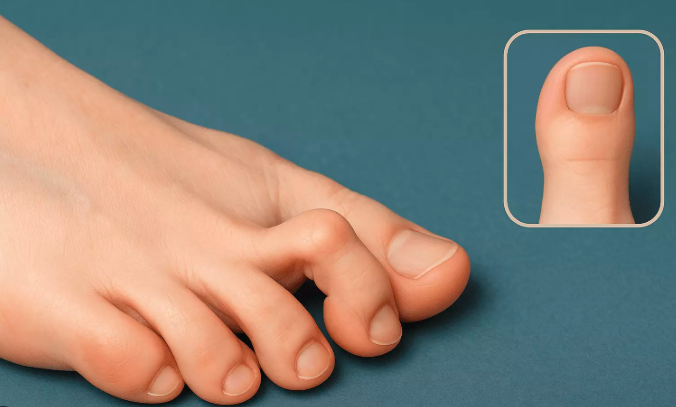
A fractured toe may seem like a minor injury, but it can significantly impact your mobility and daily routine. Recovery time varies depending on the severity of the break, the specific toe affected, and your overall health.
In this guide, we’ll walk you through the healing timeline by fracture type and the key factors that affect healing time so you know exactly what to expect on your road to recovery.
Healing Timeline by Fracture Type
Not all toe fractures are the same — the type of break you sustain directly determines how long your recovery will take. Here’s a breakdown of healing timelines based on fracture type:
- Hairline (Stress) Fracture: A hairline fracture is a small, thin crack in the bone that doesn’t fully break it apart. These are common in athletes and people who repetitively stress their feet. Healing Time: 4–6 weeks
- Non-Displaced Fracture: In this type, the bone cracks fully but remains in its correct alignment. It’s one of the most common toe fractures and usually heals well without surgery. Healing Time: 4–6 weeks
- Displaced Fracture: Here, the broken bone shifts out of its normal position. It may require manual realignment (reduction) by a doctor before healing can begin properly. Healing Time: 6–8 weeks
- Avulsion Fracture: This occurs when a tendon or ligament pulls away a small fragment of bone from the toe. It’s commonly seen in sudden twisting injuries. Healing Time: 4–8 weeks
- Big Toe (Hallux) Fracture: The big toe bears the most weight and pressure during walking, making its fractures more serious than those of the smaller toes. Treatment and recovery are more involved. Healing Time: 6–8 weeks (up to 12 weeks for complex cases)
Factors That Affect Healing Time
Recovery from a fractured toe isn’t the same for everyone. Several key factors can either speed up or slow down the healing process:
Age
Younger people tend to heal faster because their bones have a stronger regenerative capacity. As we age, bone density decreases and cell renewal slows down, meaning older adults may need significantly more time to fully recover from a toe fracture.
Severity and Type of Fracture
A simple hairline crack heals much faster than a displaced or comminuted fracture. The more complex and unstable the break, the longer the bone takes to knit back together — especially if surgery or realignment is required.
Overall Health and Medical Conditions
Certain conditions such as diabetes, osteoporosis, and peripheral artery disease can impair the body’s natural healing ability. Poor circulation and reduced bone density make it harder for the body to deliver nutrients to the injured site and rebuild bone tissue effectively.
Nutrition and Diet
Bone healing depends heavily on the right nutrients. A diet lacking in calcium, vitamin D, and protein can delay recovery. Adequate nutrition supports bone remodeling and tissue repair, making it a critical but often overlooked factor in fracture healing.



Smoking and Alcohol Use
Smoking restricts blood flow and reduces oxygen delivery to healing tissue, significantly slowing bone repair. Excessive alcohol consumption interferes with calcium absorption and bone formation, both of which are essential for a full and timely recovery.
How to Tell If Your Toe Is Actually Fractured?
Many people brush off toe injuries as simple bruises or sprains, but knowing the difference is crucial for proper treatment. Here are the key signs that your toe may actually be fractured:
- Immediate and Intense Pain: A fractured toe typically causes sharp, intense pain right at the moment of injury. Unlike a bruise or mild sprain, the pain from a fracture is often severe and worsens when you try to move or put weight on the affected toe.
- Swelling and Inflammation: Significant swelling around the injured toe that develops quickly after the injury is a strong indicator of a fracture. The swelling may extend to the surrounding toes and the top of the foot, making it difficult to wear shoes comfortably.
- Bruising and Discoloration: A fractured toe commonly causes visible bruising that spreads across the toe and sometimes onto the foot. The discoloration may appear red, purple, or dark blue and can take several days to fully develop.
- Tenderness to Touch: If pressing gently on the injured toe causes sharp, localized pain — especially directly over the bone — this is a strong sign of a fracture rather than a soft tissue injury like a sprain or strain.
- Difficulty Walking: A fractured toe makes it noticeably painful and difficult to walk normally. You may find yourself limping or shifting your weight to avoid putting pressure on the injured toe, which is your body’s natural response to bone damage.
When Do You Need a Doctor for a Fractured Toe?
While some minor toe fractures can be managed at home, certain situations require immediate professional medical attention. Here’s when you should not delay seeing a doctor:
Severe or Worsening Pain
If the pain from your injured toe is extreme, persistent, or getting worse over time rather than improving, it’s a clear sign that professional evaluation is needed. This level of pain often indicates a more serious fracture that requires medical treatment beyond basic home care.
Visible Deformity
If your toe looks crooked, bent at an unusual angle, or clearly out of its normal position, you must see a doctor immediately. A displaced or misaligned fracture needs proper realignment to ensure the bone heals correctly and doesn’t cause long-term mobility issues.
Open or Compound Fracture
If the broken bone has pierced through the skin or there is an open wound near the fracture site, this is a medical emergency. Open fractures carry a high risk of serious infection and require immediate surgical treatment and antibiotic care.
Numbness or Tingling
Experiencing numbness, tingling, or a loss of sensation in the injured toe or surrounding area could indicate nerve or blood vessel damage. This is a serious complication that requires prompt medical assessment to prevent permanent damage.
Big Toe Injury
Any fracture involving the big toe should always be evaluated by a doctor. Because the big toe plays a critical role in balance, walking, and weight distribution, even a seemingly minor fracture can lead to significant complications if left untreated or improperly managed.
Signs Your Fractured Toe Is Not Healing Properly
Most fractured toes heal without complications, but in some cases the healing process can go wrong. Recognizing these warning signs early can prevent long-term damage and chronic problems:
- Persistent or Worsening Pain: If your toe continues to hurt significantly beyond the expected healing period or the pain is actually getting worse instead of better, this is one of the most telling signs that something is wrong. Properly healing fractures should show gradual and consistent improvement in pain levels over time.
- Prolonged Swelling and Inflammation: Some swelling is normal in the early stages of recovery, but if significant swelling persists for weeks beyond the expected healing timeline, it may indicate that the bone is not mending correctly or that there is an underlying complication such as infection or improper alignment.
- Bone Malunion: Malunion occurs when the fractured bone heals in an incorrect position or at the wrong angle. This can result in a permanently crooked toe, chronic pain, difficulty walking, and uneven weight distribution across the foot — often requiring corrective surgery to fix.
- Nonunion of the Bone: In some cases the broken bone simply fails to heal and rejoin altogether, a condition known as nonunion. This is more common in smokers, diabetics, and older adults. Signs include ongoing pain, instability in the toe, and no improvement even after the expected recovery period has passed.
Returning to Sport and Exercise After a Fractured Toe
One of the most common concerns for active individuals is knowing when and how to safely return to physical activity after a toe fracture. Rushing back too soon can undo your recovery and lead to reinjury. Here is everything you need to know:
Wait for Medical Clearance
Before returning to any sport or exercise, always get a confirmed go-ahead from your doctor or physiotherapist. A clinical assessment or follow-up X-ray is often needed to confirm the bone has fully healed and is strong enough to handle physical stress and impact once again.
Expected Return to Activity Timeline
The timeline for returning to sport depends on the type and severity of your fracture. Most people with minor fractures can return to light activity within 4–6 weeks, while those with more complex fractures or big toe injuries may need to wait 8–12 weeks or longer before resuming high impact sports and exercise.
Start With Low Impact Activities
Before jumping back into high intensity sports, begin with gentle low impact activities such as swimming, cycling, or light walking. These exercises allow you to rebuild strength and confidence in the injured toe without placing excessive stress or pressure on the still-recovering bone.
Gradually Increase Intensity
Return to sport should always follow a gradual progression. Start with light movement, then slowly increase duration, intensity, and impact over several weeks. Jumping straight back into full training too quickly is one of the most common reasons athletes re-fracture or develop chronic toe problems.
Frequently Asked Questions
Can you walk on a fractured toe?
Walking on a fractured toe is possible in minor cases but not recommended. Putting weight on it can worsen the break and extend healing time. Always consult your doctor before walking normally.
How is a fractured toe diagnosed?
A doctor diagnoses a fractured toe through a physical examination and X-ray. In complex cases, a CT scan or MRI may be ordered for a more detailed assessment.
How is a fractured toe treated at home?
Minor fractures are managed using the RICE method — Rest, Ice, Compression, and Elevation — along with buddy taping, protective footwear, and over-the-counter pain relievers like ibuprofen.
Does a fractured toe always need a cast?
Most toe fractures don’t require a cast. Buddy taping and supportive footwear are usually sufficient, though a walking boot may be needed for big toe or more severe fractures.
Can a fractured toe heal on its own?
Minor hairline fractures can heal with rest and protection, but skipping medical evaluation is risky. Undetected misalignment can lead to permanent deformity and chronic pain.
What should you eat to heal faster?
Focus on calcium-rich foods, vitamin D sources like fatty fish and sunlight, and protein from eggs, chicken, and legumes to support bone repair and speed up recovery.
Can a fractured toe cause long-term complications?
Yes. If untreated, it can lead to chronic pain, joint arthritis, permanent deformity, and walking difficulties — making proper diagnosis and treatment essential.
Conclusion
A fractured toe deserves proper attention and care — early diagnosis, the right treatment, and patience are essential for a full recovery.
Ignoring the injury or rushing the healing process can lead to chronic pain, permanent deformity, and long-term complications.
Listen to your body, follow your doctor’s guidance, and give your toe the time it needs to heal completely.
Related Articles
Can a Toothache Cause a Sore Throat? A Dentist Explains the Connection
Why does my stomach hurt when I cough? Causes, warning signs & when to see a doctor
Are Dentists Physicians? Understanding the Difference Between Dentists and Medical Doctors
Jawline Acne: Causes, Symptoms, Treatments, and Prevention Tips
Does Lack of Sleep Cause Headaches? Causes, Symptoms, and Effective Relief