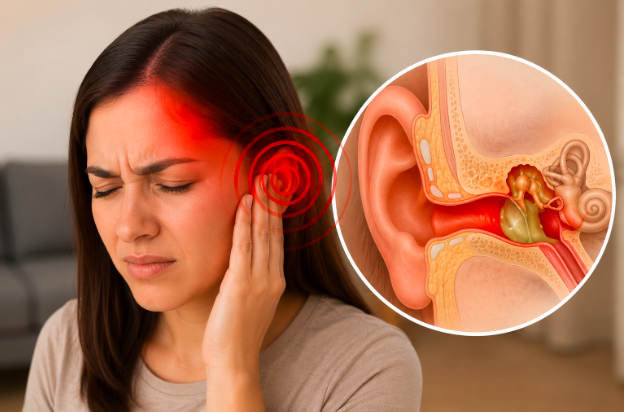
Ear infections are one of the most common health problems affecting both children and adults, especially during cold, flu, or allergy seasons. Many people notice not only ear discomfort but also headaches, and this raises an important question: can an ear infection cause head pain. The answer is yes, and this happens due to pressure buildup and nerve connections between the ear and surrounding head areas.
In this detailed guide, we will explain everything in simple language, including causes, symptoms, diagnosis, treatment, and prevention. The aim is to help you clearly understand how ear infections can affect head pain and when you should seek medical help.
What Is an Ear Infection?
An ear infection is a medical condition where viruses or bacteria affect different parts of the ear, leading to pain, inflammation, and sometimes fluid buildup. It usually affects the middle ear but can also occur in the outer or inner ear depending on the cause and severity.
The ear is divided into three main sections: outer ear, middle ear, and inner ear. When infection develops in any of these parts, it disrupts normal pressure balance and causes discomfort. In many cases, this condition may also lead to headache or head pressure due to nerve involvement.
Can an Ear Infection Cause Head Pain?
Yes, an ear infection can cause head pain, and this is a medically recognized symptom. When infection builds up inside the ear, it increases pressure behind the eardrum and affects nearby nerves, which can result in headache or a heavy feeling in the head.
This head pain may feel like pressure in the temples, forehead, or one side of the head depending on the infected ear. In some cases, the pain can become constant and worsen when lying down or moving the head.
So, when we ask can an ear infection cause head pain, the clear answer is yes because of inflammation, pressure changes, and nerve signal transmission.
Why Ear Infections Cause Head Pain?
Ear infections lead to head pain through several biological and physical mechanisms that affect surrounding areas. The first major reason is pressure buildup inside the middle ear, which creates discomfort that spreads beyond the ear region.



Another important reason is the blockage of the Eustachian tube, which normally balances air pressure between the ear and throat. When this tube is blocked, pressure increases and causes head discomfort.
Inflammation also plays a key role because infected tissues swell and irritate nearby nerves. Since ear nerves are connected to facial and head nerves, the pain signals often spread to the head, causing headaches or pressure sensations.
Types of Ear Infections Linked With Head Pain
Ear infections can affect different parts of the ear, and each type may cause head pain in different ways. The severity of headache depends on how much pressure, inflammation, or nerve irritation is involved. Below are the main types briefly explained.
Middle Ear Infection (Otitis Media)
This is the most common type and strongly linked with head pain. It happens when fluid builds up behind the eardrum, creating pressure that can lead to headaches, temple pain, and a heavy feeling in the head.
Inner Ear Infection (Labyrinthitis)
This type affects balance and hearing. It can cause severe dizziness along with strong head pain because it directly impacts nerve signals connected to the brain.
Outer Ear Infection (Otitis Externa)
This infection affects the ear canal and usually causes local ear pain. Head pain is mild or rare but may occur if inflammation becomes severe.
Chronic Ear Infection
This is a long-lasting infection that keeps coming back. Ongoing inflammation and pressure can lead to repeated headaches and dull head pain over time.
Fluid Buildup (Without Active Infection)
Sometimes fluid stays trapped in the middle ear even without infection. This pressure can still cause mild head discomfort and a blocked feeling in the head.
Symptoms of Ear Infection with Head Pain
When an ear infection is linked with head pain, symptoms usually appear together and can affect daily comfort and concentration. The most common symptom is ear pain that may be sharp, dull, or throbbing depending on the infection stage.
Headache or head pressure often accompanies ear discomfort and may feel like tightness around the temples or forehead. Fever is also common, especially in bacterial infections, along with fatigue and general weakness.
Other symptoms include reduced hearing ability, dizziness, fluid discharge from the ear, and pain spreading to the jaw or neck. These symptoms often become worse at night or when lying down.
How the Pain Spreads?
The connection between ear pain and head pain exists because the ear shares nerve pathways with different parts of the head and face. When infection irritates these nerves, pain signals travel beyond the ear region.
This is why pain from the ear can be felt in the temples, jaw, side of the head, or even the forehead. The trigeminal nerve plays a major role in this pain transmission, making the discomfort feel more widespread than the actual infection area.
In simple terms, the ear acts like a central point where nerve signals can easily spread to surrounding head regions, leading to headache-like symptoms.
Ear Infection vs Other Causes of Head Pain
Head pain caused by ear infection can sometimes be confused with other conditions, which makes proper identification important for treatment. Migraine headaches usually come with sensitivity to light and sound, while sinus infections cause facial pressure and nasal blockage.
Tension headaches are related to stress and muscle tightness, whereas ear infection headaches are usually accompanied by ear pain, fever, or hearing changes. This combination of symptoms helps differentiate ear-related head pain from other types of headaches.
Understanding these differences is important because treatment methods vary depending on the underlying cause.
When Head Pain from Ear Infection Becomes Serious?
In most cases, ear infection-related head pain is manageable, but sometimes it can indicate a more serious condition. If the headache becomes severe, persistent, and does not respond to basic treatment, it may require medical attention.
High fever, swelling behind the ear, vomiting, confusion, or sudden hearing loss are warning signs that should not be ignored. Pain spreading to the neck or eyes can also indicate complications.
In such situations, immediate medical evaluation is necessary to prevent further health risks and complications.
Diagnosis of Ear Infection and Headache
Doctors diagnose ear infections using a combination of physical examination and symptom evaluation. The first step usually involves checking the ear with a special instrument called an otoscope to look for redness, swelling, or fluid buildup.
Doctors also assess symptoms like fever, headache severity, and hearing changes to understand the infection level. In some cases, hearing tests or imaging scans may be required to rule out complications or deeper infections.
Proper diagnosis helps confirm whether ear infection is the cause of head pain or if another condition is responsible.
Treatment Options
Treatment of ear infection and head pain focuses on removing infection, reducing inflammation, and relieving pressure inside the ear. The exact treatment depends on the cause and severity of the condition.
- Antibiotics (for bacterial infection):
Doctors prescribe antibiotics when the infection is caused by bacteria. These help kill bacteria, reduce infection, and gradually relieve ear pain and head pressure. - Antiviral or supportive care (for viral infection):
If the infection is viral, antibiotics are not used. The body usually recovers with rest, fluids, and symptom management. - Pain relievers:
Medicines like paracetamol or ibuprofen help reduce both ear pain and headache by lowering inflammation and discomfort. - Ear drops (for outer ear infection):
Special medicated drops are used directly in the ear canal to treat infection and reduce local pain and swelling. - Decongestants (if sinus involvement):
These help open blocked nasal passages and Eustachian tubes, reducing pressure that causes head pain. - Warm compress:
Applying warmth to the affected ear helps reduce pain, improve blood flow, and ease pressure.
Home Remedies for Relief
Home remedies play an important role in reducing discomfort caused by ear infection and the related head pain. These methods help ease pressure, improve comfort, and support faster recovery along with medical treatment.
Warm compress on the ear
Applying a warm cloth or heating pad to the affected ear helps reduce pain and pressure. It improves blood circulation in the area and can also ease headache caused by ear infection.
Steam inhalation
Steam inhalation helps open blocked nasal passages and Eustachian tubes. This reduces pressure inside the ear and can also relieve head pain and heaviness.
Stay well hydrated
Drinking plenty of water helps thin mucus and supports the immune system. This can reduce congestion and lower pressure in both the ear and head.
Proper rest
Taking enough rest allows the body to fight infection more effectively. It also reduces fatigue and helps decrease both ear pain and headache intensity.
Keep the ear dry
Avoid water entering the infected ear during bathing or swimming. Keeping the ear dry prevents worsening of infection and supports faster healing.
Elevate your head while sleeping
Sleeping with your head slightly raised helps reduce ear pressure buildup. This position can make head pain more manageable, especially at night.
Saltwater gargle
Gargling warm salt water may help if sinus or throat infection is also present. It can improve drainage and indirectly reduce ear pressure and head discomfort.
Prevention Tips
Preventing ear infections can significantly reduce the chances of developing head pain associated with them. Treating colds and allergies early is important because they often lead to ear infections if ignored.
Maintaining proper ear hygiene and avoiding insertion of objects inside the ear helps prevent infection. Strengthening the immune system through a healthy diet and regular sleep also reduces risk.
Avoiding exposure to smoke, dust, and pollution is equally important because these irritants can increase the chances of infection and inflammation.
When to See a Doctor?
Medical attention should be considered if symptoms do not improve within a few days or become worse over time. Persistent ear pain along with severe headache is a sign that requires professional evaluation.
Fever that does not reduce, hearing difficulty, or fluid discharge from the ear should not be ignored. If dizziness, vomiting, or confusion occurs, immediate medical help is necessary.
Early diagnosis and treatment can prevent complications and ensure faster recovery.
Conclusion
Ear infections can clearly cause head pain due to pressure buildup, inflammation, and nerve connections between the ear and head. Understanding this relationship helps in early identification and proper treatment.
If you are wondering can an ear infection cause head pain, the answer is yes, and it is a common symptom that should not be ignored. With proper care, medication, and prevention, both ear infection and related head pain can be effectively managed.
FAQs
1. Can an ear infection cause severe head pain?
Yes, severe ear infections can increase pressure inside the ear and lead to strong headaches that may affect daily activities and concentration.
2. How long does head pain last with an ear infection?
Head pain usually lasts a few days and improves once the infection is treated properly with medication and rest.
3. Is ear infection headache dangerous?
Most ear infection headaches are not dangerous, but severe or persistent pain may indicate complications and should be checked by a doctor.
4. Can ear infection cause one-sided head pain?
Yes, pain is often felt on the same side as the infected ear because nerve signals spread locally.
5. Does ear infection cause pressure in the head?
Yes, fluid buildup and blocked ear pressure often create a heavy or tight feeling in the head.
6. Can children get head pain from ear infection?
Yes, children commonly experience both ear pain and headaches due to ear infections.
7. What is the fastest way to relieve ear infection head pain?
Fast relief usually comes from pain medication, warm compress, rest, and proper treatment of the underlying infection.
Related Articles
Does Lack of Sleep Cause Headaches? Causes, Symptoms, and Effective Relief
When Do You Start Showing in Pregnancy?
Signs of a Sinus Infection: Early Symptoms, Severe Signs & When to See a Doctor
How Much Weight Can You Lose in a Month Safely? Science-Backed Expert Breakdown