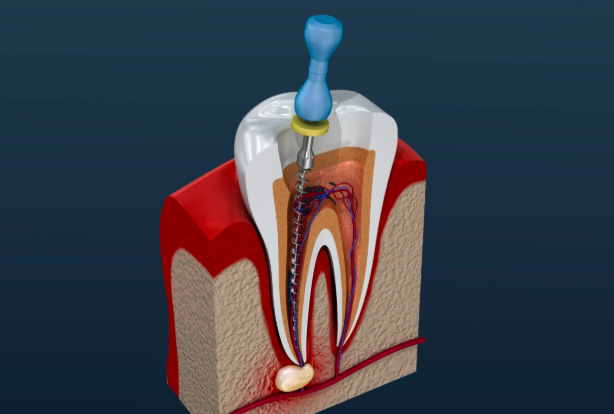
If you’ve seen alarming claims online linking root canals to cancer, you’re not alone — but before you cancel that dental appointment, it’s worth knowing what science actually says.
There is no medical evidence that root canals cause cancer, according to the American Association of Endodontists, American Dental Association, and American Association for Dental, Oral, and Craniofacial Research.
In this article, we’ll explore what the research actually shows and what truly causes cancer — so you can make informed decisions based on facts, not fear.
Where Did This Myth Come From?
The myth traces back to the 1920s and the work of Dr. Weston Price, a dentist who claimed that root canals trap toxins that lead to systemic diseases, including cancer.
To test his theory, he implanted root canal-treated teeth into rabbits, claiming they developed illnesses similar to the original patients — but in the 100 years since, no one has been able to replicate his results.
The myth gained fresh attention through a 2019 documentary called Root Cause, which was later removed from Netflix after an uproar from the dental and medical community.
What Does the Research Actually Show?
Modern dental and medical research has thoroughly investigated the supposed connection between root canals and cancer, concluding that there is no credible evidence linking root canals to cancer or any other systemic diseases.
In fact, a 2013 study published in Cancer Epidemiology, Biomarkers & Prevention found that individuals who had undergone root canal treatment were actually at a slightly lower risk of developing certain types of cancer, including head and neck cancers.



Decades of research by organizations like the American Dental Association and the World Health Organization have found no link between root canal treatments and cancer — and untreated dental infections actually pose a much greater health risk than the procedure itself.
Root Canals and Specific Cancers
Research has examined whether root canals are linked to specific types of cancer — here’s what the evidence actually shows for each.
Root Canals and Breast Cancer
One widely shared claim suggested that 97% of breast cancer patients had a root canal, citing Dr. Thomas Rau — however, this statistic does not come from any published or peer-reviewed study. The American Association of Endodontists firmly debunks this, confirming there is no credible evidence to support any link between root canal procedures and breast cancer development.
Root Canals and Oral Cancer
A 2013 study published in Cancer Epidemiology, Biomarkers & Prevention found that individuals who had undergone root canal treatment were actually at a slightly lower risk of developing head and neck cancers. Untreated dental infections — not root canals — pose a far greater health risk, as leaving infection unaddressed allows bacteria to spread and potentially worsen oral health complications.
Root Canals and Other Cancers
Cancer, whether oral or systemic, has complex causes rooted in genetics, lifestyle, and environmental factors — not dental procedures like root canals. The American Association of Endodontists, along with many other reputable health organizations, has confirmed that root canals are a safe and effective treatment with no proven connection to any systemic disease or cancer type
Other Health Myths Linked to Root Canals
Root canals have been blamed for far more than cancer — here’s what science actually says about the most common myths still circulating today.
Root Canals Cause Heart Disease
The focal infection theory claims bacteria from root canals can travel to other parts of the body and cause systemic diseases — but multiple studies over recent decades have confirmed this is simply not supported by evidence.
Root Canals Weaken Your Immune System
Some online sources claim that root canals leave behind toxic residue that constantly challenges your immune system, making you more vulnerable to illness. Advances in dental technology and sterilization procedures have made the process even safer today — and rather than causing harm, root canals actually prevent serious oral health issues by removing the source of infection entirely.
It’s Better to Extract the Tooth
A common misconception fueled by anti-root canal content is that pulling the tooth is always a safer, healthier option. Root canal therapy is designed to stop infection, relieve pain, and protect the rest of your teeth — and when an infected tooth is left untreated or extracted without proper care, bacteria can spread, leading to serious oral and overall health problems.
Root Canals Are Extremely Painful
The fear of pain is one of the biggest reasons people avoid root canals, often based on outdated experiences or exaggerated online stories. Modern dentistry uses digital imaging to see inside your tooth with precision and advanced tools to remove infection thoroughly — making today’s root canal experience far more comfortable than the procedure’s outdated reputation suggests.
Are Root Canals Safe? Real Risks vs. Myths
Root canals are widely misunderstood — so let’s separate what’s genuinely possible from what’s simply not true.
- The Real Risks of Root Canals: Modern dentistry uses strict sterilization practices and high-quality materials to make root canal therapy safe and effective, though minor risks like temporary soreness or reinfection can occasionally occur.
- The Myths You Should Stop Believing: The claim that root canals trap toxins leading to cancer has been widely debunked — Dr. Weston Price’s research lacked proper controls and has never been successfully replicated in any peer-reviewed study.
- What Happens If You Avoid a Root Canal?: When an infected tooth is left untreated, bacteria can spread and lead to serious health complications — meaning avoiding a root canal out of fear poses a far greater risk than the procedure itself.
What Actually Causes Cancer?
Since root canals aren’t the culprit, it’s important to understand what actually drives cancer development — because knowing the real risk factors can help you make smarter health decisions.
Genetics and Family History
Cancer has complex causes rooted in genetics, lifestyle, and environmental factors — not dental procedures like root canals. Inherited gene mutations, such as BRCA1 and BRCA2 for breast cancer, can significantly raise a person’s lifetime risk of developing certain cancers.
If cancer runs in your family, genetic counseling and regular screenings are far more important protective steps than worrying about dental treatments.
Lifestyle and Environmental Factors
Untreated dental infections pose a much greater health risk than root canal procedures themselves — and broader lifestyle factors like smoking, alcohol consumption, poor diet, and exposure to harmful environmental elements are among the most well-established drivers of cancer development.
The World Health Organization estimates that around one-third of all cancer deaths are linked to preventable lifestyle risk factors, making daily habits far more impactful on cancer risk than any dental procedure ever could be.
Chronic Inflammation and Infection
Some studies suggest that root canals may actually reduce cancer risk by eliminating chronic infections in the mouth — meaning the procedure protects rather than harms overall health.
Long-term, unresolved inflammation is a well-documented contributor to cellular damage and abnormal cell growth, which are key mechanisms behind cancer formation. Treating infections early, rather than avoiding dental care out of fear, is one of the most effective ways to support your long-term health.
Frequently Asked Questions
How Long Does a Root Canal Procedure Take?
A root canal typically takes one to two appointments, each lasting between 60 to 90 minutes depending on the severity of the infection and which tooth is being treated.
Can a Root Canal Fail?
Yes, in rare cases a root canal can fail if the infection wasn’t fully removed, the tooth cracks, or the crown wasn’t properly placed — requiring retreatment or extraction.
How Do I Know If I Need a Root Canal?
Common signs include severe toothache, prolonged sensitivity to heat or cold, darkening of the tooth, and swollen or tender gums around a specific tooth.
Is It Safe to Get a Root Canal During Pregnancy?
Root canals are generally considered safe during pregnancy, though dentists typically recommend scheduling the procedure during the second trimester when it poses the least risk.
How Long Does a Root Canal-Treated Tooth Last?
With proper care, a root canal-treated tooth can last a lifetime — though placing a crown afterward significantly improves its durability and long-term success rate.
Can Children Get Root Canals?
Yes, children can require root canals on baby teeth to prevent infection from spreading — a procedure called a pulpotomy is commonly performed on younger patients.
Does Insurance Cover Root Canal Treatment?
Most dental insurance plans partially cover root canal treatment as it is considered a necessary restorative procedure, though coverage varies depending on your specific plan.
Conclusion
The idea that root canals cause cancer or other serious diseases is a myth rooted in century-old, debunked research — not modern science.
The American Association of Endodontists, American Dental Association, and American Association for Dental, Oral, and Craniofacial Research all confirm there is no medical evidence linking root canals to cancer.
Avoiding a root canal out of fear poses a far greater health risk than the procedure itself — so trust the evidence, not the myths, and get the dental care you need.
Related Articles
Mental Health Retreat Covered by Insurance: Complete Guide to Coverage, Costs, and Approval
Can I Workout With Stitches on My Head? Complete Guide
Can an Ear Infection Cause Head Pain? Complete Detailed Guide
How Long Does a Fractured Toe Take to Heal? (And What Affects Your Recovery)