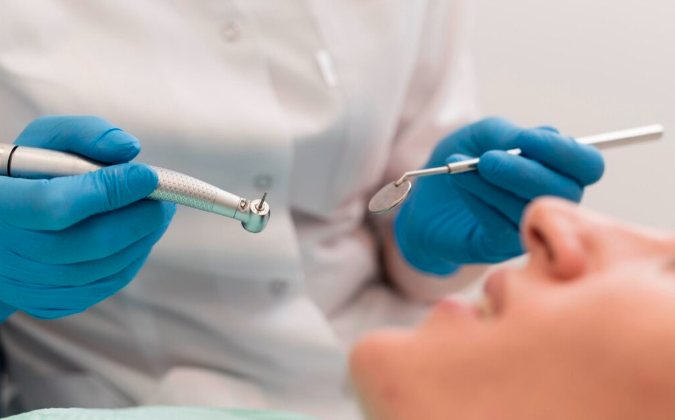
Many people wonder whether dentists are physicians because both professions work in healthcare and use the title “Doctor.” Dentists diagnose and treat oral health problems, while physicians focus on the overall health of the body.
Although dentists are highly trained medical professionals, they are generally not classified as physicians. Understanding the difference between these professions can help patients know their specific roles in healthcare. This article explains the key differences, education, and responsibilities of dentists and physicians.
What Does the Term “Physician” Mean?
A physician is a medical doctor trained to diagnose, prevent, and treat diseases affecting the human body. Physicians usually earn an MD (Doctor of Medicine) or DO (Doctor of Osteopathic Medicine) degree after completing medical school and residency training.
Physicians work in many areas of healthcare. Some focus on general medicine, while others specialize in fields such as heart disease, surgery, pediatrics, or internal medicine. Their work often involves examining patients, ordering tests, diagnosing illnesses, and creating treatment plans.
Common types of physicians include:
- Family physicians
- Pediatricians
- Surgeons
- Cardiologists
- Neurologists
- Internal medicine doctors
Physicians are trained to treat overall body health rather than focusing on one specific area like oral care.
What Is a Dentist?

A dentist is a healthcare professional who specializes in oral health. Their main role is to diagnose and treat conditions affecting the teeth, gums, jaw, and mouth. Dentists also help patients prevent dental problems through regular cleanings, examinations, and oral hygiene education.
Dentists earn professional degrees such as:



- DDS (Doctor of Dental Surgery)
- DMD (Doctor of Dental Medicine)
Both degrees are considered equal in education and training standards.
Dentistry includes several specialties. Some dentists provide general care, while others focus on advanced treatments.
Common Types of Dentists
| Dental Specialty | Main Focus |
| General Dentist | Routine oral care and treatment |
| Orthodontist | Braces and teeth alignment |
| Pediatric Dentist | Dental care for children |
| Periodontist | Gum disease treatment |
| Oral Surgeon | Surgical procedures involving the mouth and jaw |
Dentists are called doctors because they complete doctoral-level professional education and clinical training.
Are Dentists Considered Physicians?
Dentists are doctors, but they are not usually considered physicians. The term “physician” is mostly used for medical doctors who practice general medicine or medical specialties related to the whole body.
The confusion happens because both dentists and physicians:
- Attend professional schools
- Hold doctoral degrees
- Diagnose diseases
- Treat patients
- Prescribe medications
- Perform procedures
Even though their responsibilities sometimes overlap, dentistry is legally and professionally separate from medicine in many countries.
In simple terms:
- Dentists specialize in oral healthcare
- Physicians specialize in overall medical healthcare
Both professions are respected parts of the healthcare system, but they belong to different branches of healthcare training.
Dentist vs Physician – Key Differences

Dentists and physicians share some similarities, but their education, daily work, and treatment areas are different.
Education and Training
Physicians attend medical school after completing undergraduate studies. They then complete residency programs that may last several years depending on their specialty.
Dentists attend dental school, where they focus heavily on oral anatomy, dental procedures, oral diseases, and patient care related to the mouth and jaw.
Area of Expertise
The biggest difference is their area of specialization.
| Profession | Main Area of Focus |
| Dentist | Teeth, gums, mouth, and jaw |
| Physician | Whole-body health and diseases |
Daily Responsibilities
Dentists commonly perform:
- Dental fillings
- Tooth extractions
- Root canals
- Gum disease treatment
- Teeth cleaning
Physicians commonly handle:
- Physical examinations
- Disease diagnosis
- Surgery
- Chronic illness management
- Emergency medical care
Workplace Differences
Most dentists work in dental clinics or private practices. Physicians may work in hospitals, clinics, emergency rooms, or medical centers.
Similarities Between Dentists and Physicians

Although they are different professions, dentists and physicians have several similarities.
Both professions require years of education and practical training before becoming licensed professionals. They must understand anatomy, pharmacology, infection control, and patient safety.
Dentists and physicians also play an important role in preventive healthcare. Physicians help patients avoid diseases through screenings and medical care, while dentists prevent oral health problems through regular examinations and treatment.
Another similarity is that both can prescribe certain medications when needed. For example, dentists may prescribe antibiotics or pain medication after procedures.
In many cases, dentists and physicians work together to improve patient health. Oral health problems can sometimes affect the rest of the body, making cooperation between both professions important.
Can Dentists Diagnose Medical Conditions?
Dentists mainly focus on oral health, but they can sometimes identify signs of medical conditions during dental examinations.
Certain health problems may cause symptoms inside the mouth, including:
- Diabetes
- Vitamin deficiencies
- Oral cancer
- Infections
- Autoimmune disorders
For example, gum disease may be linked to diabetes or heart health issues. Dentists are trained to recognize unusual symptoms and may refer patients to physicians for further testing or treatment.
This does not mean dentists replace physicians, but it shows how important oral health is in overall healthcare.
Are Oral Surgeons Physicians?
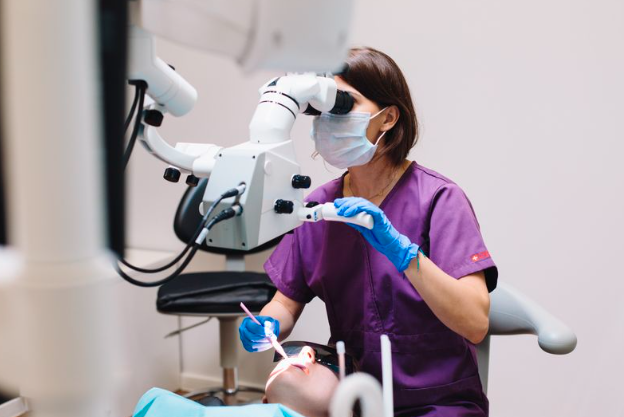
Oral and maxillofacial surgeons are dental specialists who perform surgeries involving the mouth, jaw, and face. Their work may include:
- Wisdom tooth removal
- Jaw surgery
- Facial injury treatment
- Dental implant surgery
Some oral surgeons complete additional medical training and may hold both dental and medical degrees. However, not all oral surgeons are physicians.
Because of their advanced surgical training, oral surgeons often work closely with hospitals and medical teams.
Do Dentists Attend Medical School?
Dentists do not attend traditional medical school. Instead, they attend dental school, which is specifically designed for oral healthcare training.
Dental students study subjects such as:
- Oral anatomy
- Dental radiology
- Oral pathology
- Pharmacology
- Dental surgery
- Patient care
Medical school focuses more on body systems, internal diseases, and general medicine.
Even though dental school and medical school are different, both are challenging professional programs that require strong scientific knowledge and clinical experience.
Are Dentists Real Doctors?
Yes, dentists are real doctors because they earn doctoral-level degrees in dentistry. The title “Doctor” is not limited only to physicians.
The two common dental degrees are:
| Degree | Meaning |
| DDS | Doctor of Dental Surgery |
| DMD | Doctor of Dental Medicine |
Both degrees have the same educational standards. The difference is mainly the university’s naming preference.
Dentists are licensed professionals who diagnose and treat health conditions related to oral care. Their work requires advanced education, clinical skills, and professional certification.
Why Oral Health Is Connected to Overall Health
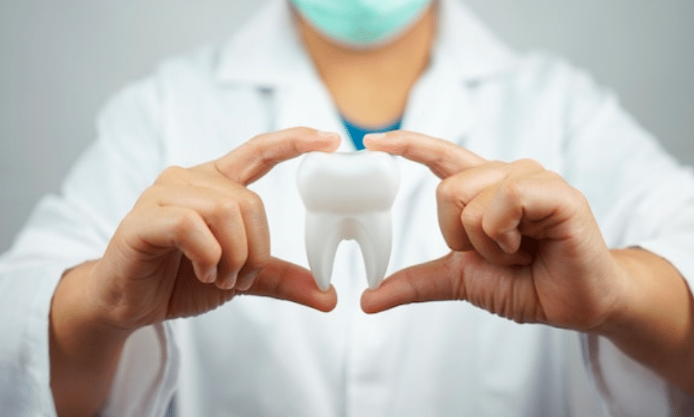
Oral health is closely linked to overall body health. Problems inside the mouth can sometimes affect other areas of the body if left untreated.
For example, severe gum disease has been connected to conditions such as:
- Heart disease
- Diabetes complications
- Infections
- Pregnancy complications
Regular dental visits help detect problems early and support long-term health. Dentists not only treat teeth but also help patients maintain healthy oral habits that can improve overall wellness.
This connection is one reason dentistry is considered an important healthcare profession.
When Should You See a Dentist vs a Physician?
Knowing whether to visit a dentist or physician depends on the type of problem you are experiencing.
You should visit a dentist for issues such as:
- Tooth pain
- Cavities
- Gum bleeding
- Broken teeth
- Jaw discomfort
You should visit a physician for problems such as:
- Fever
- Chest pain
- Stomach illness
- Breathing problems
- General infections
Sometimes both professionals may be involved in treatment. For example, a severe mouth infection may require dental treatment along with medical care.
Common Misconceptions About Dentists and Physicians

Many people misunderstand the role of dentists in healthcare.
One common myth is that dentists are not real doctors. In reality, dentists complete extensive professional education and are licensed healthcare providers.
Another misconception is that dentists only clean teeth. Modern dentistry includes surgery, disease diagnosis, cosmetic procedures, and preventive healthcare.
Some people also believe physicians can perform dental work. While physicians understand general medicine, most are not trained to perform specialized dental procedures.
Understanding these differences helps people appreciate the unique roles both professions play in healthcare.
Future of Dentistry in Modern Healthcare
Dentistry continues to grow with new technology and advanced treatments. Modern dental care now includes digital imaging, dental implants, laser procedures, and cosmetic treatments.
Healthcare professionals increasingly recognize the connection between oral health and overall wellness. Because of this, dentists and physicians often work together to improve patient outcomes.
The future of healthcare may involve even stronger collaboration between medical and dental professionals to provide better patient care.
Conclusion
Dentists are highly trained healthcare doctors who specialize in oral health, but they are generally not considered physicians. Physicians focus on treating the entire body, while dentists focus on the teeth, gums, mouth, and jaw.
Even though dentistry and medicine are different professions, both are essential parts of healthcare. Dentists play a major role in preventing oral diseases, improving overall health, and helping patients maintain healthy lives.
FAQs
Can dentists perform surgery?
Yes, dentists can perform several dental procedures and surgeries, including tooth extractions, dental implants, and gum treatments. Specialized oral surgeons handle more complex surgeries.
Do dentists study human anatomy?
Yes, dental students study anatomy extensively, especially the head, neck, jaw, and oral structures related to dental care.
Are dentists licensed healthcare professionals?
Yes, dentists must pass licensing exams and meet professional requirements before practicing legally.
Can a dentist detect oral cancer?
Dentists are trained to identify unusual changes in the mouth that may indicate oral cancer or other serious conditions during routine examinations.
Is dentistry considered part of healthcare?
Yes, dentistry is an important branch of healthcare focused on oral health, disease prevention, and treatment.
Related Articles
Pain in Big Toe Joint: Causes, Symptoms, and Best Treatments
Signs of a Sinus Infection: Early Symptoms, Severe Signs & When to See a Doctor
15 Health Benefits of Soursop Leaves: Nutrition, Uses, Tea Recipe, and Safety Guide
Is Diabetes Genetic? What Science Says About Family Risk
Does Facial Work for Acne? Benefits, Risks, Types, and What to Expect