Ever wake up with a pounding headache after a poor night’s sleep? Sleep deprivation does more than make you feel tired — it can directly affect your brain and trigger painful headaches throughout the day.
Does Lack of Sleep Cause Headaches? Yes, both insufficient sleep and poor sleep quality are common reasons behind headaches, migraines, and mental fatigue. In this article, we will discuss the causes, symptoms, and effective relief methods for headaches linked to lack of sleep.
Can Lack of Sleep Really Cause Headaches?
Yes, lack of sleep can directly contribute to headaches and migraines. When the body does not get enough rest, the brain struggles to function properly, leading to stress, fatigue, and increased pain sensitivity. Poor sleep can also affect blood flow, hormone balance, and brain chemicals that help control pain. As a result, many people experience headaches after sleeping too little or having interrupted sleep for several nights in a row.
What Happens to the Brain During Sleep Deprivation
During sleep, the brain repairs itself, processes information, and restores energy levels. Sleep deprivation disrupts these important functions, causing mental exhaustion and increased stress on the brain. This can lead to inflammation and changes in brain activity that trigger headaches and difficulty concentrating.
How Sleep Loss Increases Pain Sensitivity
Lack of sleep lowers the body’s ability to tolerate pain. When you are sleep deprived, the nervous system becomes more sensitive, making even mild discomfort feel stronger. This is why people who do not sleep well often experience more frequent or more intense headaches.
The Connection Between Sleep and the Nervous System
Sleep helps regulate the nervous system and keeps stress hormones balanced. Poor sleep can overstimulate the nervous system, increasing tension in the muscles and blood vessels. This imbalance may trigger tension headaches, migraines, and other forms of head pain.
Why Does Lack of Sleep Cause Headaches?
Lack of sleep affects the brain, hormones, muscles, and nervous system, which can all contribute to headaches and migraines. Below, we will discuss the main reasons why poor sleep can trigger head pain and discomfort.
Increased Stress Hormones
Sleep deprivation raises stress hormone levels, particularly cortisol. High cortisol levels can increase pressure on the brain and blood vessels, making headaches more likely. Stress caused by poor sleep can also worsen existing migraine symptoms.

Reduced REM Sleep
REM sleep is an important stage of sleep that helps the brain recover and regulate emotions. When REM sleep is reduced, the brain does not fully recharge, which can lead to fatigue, irritability, and headaches during the day.
Changes in Serotonin and Melatonin Levels
Sleep loss can disrupt serotonin and melatonin production. Serotonin helps regulate mood and pain, while melatonin controls the sleep cycle. Imbalances in these chemicals may trigger migraines and other sleep-related headaches.
Muscle Tension From Fatigue
Poor sleep often causes muscle tightness in the neck, shoulders, and scalp. This tension places extra strain on the head and can lead to tension headaches, especially after long periods of stress or exhaustion.
Dehydration and Poor Sleep Habits
People who do not sleep well may also develop unhealthy habits such as drinking too much caffeine, not drinking enough water, or staying awake for long hours. Dehydration and irregular sleep schedules can both contribute to frequent headaches.
Types of Headaches Linked to Lack of Sleep
Sleep deprivation can trigger different types of headaches, ranging from mild discomfort to severe pain. Below are some of the most common headaches that are closely linked to poor sleep and sleep disorders.
Tension Headaches
Tension headaches are one of the most common headaches caused by lack of sleep. They usually create a dull, tight pressure around the forehead or back of the head and are often linked to stress and muscle tension.
Migraine Headaches
Poor sleep can trigger migraines or make existing migraine symptoms worse. Migraines may cause throbbing pain, nausea, sensitivity to light, and difficulty focusing during the day.
Cluster Headaches
Cluster headaches are severe headaches that occur in repeated cycles or clusters. Sleep disturbances and irregular sleep patterns can increase the risk of these painful headache attacks.
Morning Headaches After Poor Sleep
Many people wake up with headaches after sleeping poorly or not getting enough rest. These morning headaches are often linked to sleep deprivation, poor sleep posture, dehydration, or sleep disorders like sleep apnea.
Common Symptoms of a Sleep Deprivation Headache

Sleep deprivation headaches can affect both physical and mental health, making daily activities more difficult. Below are some of the most common symptoms people experience when headaches are caused by poor sleep.
Dull or Throbbing Head Pain
- Mild to severe pain in different areas of the head
- A constant aching or pulsing sensation
- Pain that worsens throughout the day
Pressure Around the Forehead or Eyes
- Tightness around the forehead area
- Pressure behind the eyes
- A heavy feeling in the head after waking up
Fatigue and Brain Fog
- Feeling mentally exhausted or sluggish
- Difficulty concentrating or remembering things
- Low energy levels during the day
Irritability and Mood Changes
- Increased stress or frustration
- Mood swings caused by lack of rest
- Feeling anxious or emotionally sensitive
Sensitivity to Noise or Light
- Bright lights may worsen headache pain
- Loud sounds can feel overwhelming
- Increased discomfort in busy environments
How Much Sleep Do You Actually Need?
Most adults need around 7 to 9 hours of sleep per night to allow the body and brain to function properly. Getting less than this on a regular basis can reduce mental focus, slow reaction time, and increase the risk of headaches and fatigue.
Quality of sleep is also important because interrupted or restless sleep may prevent the body from fully recovering, even if you spend enough time in bed. Maintaining a consistent sleep schedule can help improve sleep quality and reduce sleep-related discomfort.
Conditions That Can Cause Both Poor Sleep and Headaches
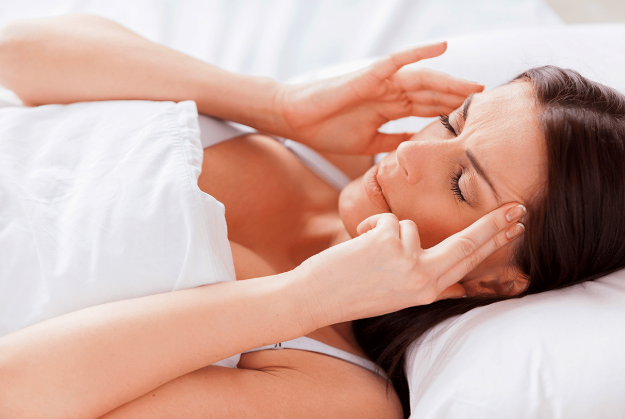
Several health conditions can affect sleep quality while also increasing the risk of headaches. Below are some common conditions that are often linked to both sleep problems and head pain.
Insomnia
Insomnia makes it difficult to fall asleep or stay asleep throughout the night. Ongoing sleep disruption can leave the brain and body exhausted, which may lead to frequent headaches and daytime fatigue.
Sleep Apnea
Sleep apnea is a condition where breathing repeatedly stops and starts during sleep. This interruption reduces oxygen levels and often causes morning headaches, poor sleep quality, and excessive tiredness.
Anxiety and Stress
High stress and anxiety can make it harder to relax and sleep properly. They may also increase muscle tension and overstimulate the nervous system, which can trigger headaches.
Depression
Depression can negatively affect sleeping patterns, causing either too much sleep or too little sleep. These changes in sleep habits are commonly associated with headaches, low energy, and difficulty concentrating.
Teeth Grinding During Sleep
Teeth grinding, also called bruxism, often happens during sleep without a person realizing it. Constant jaw clenching can strain the muscles around the head and face, leading to headaches, especially in the morning.
How to Relieve a Headache Caused by Lack of Sleep
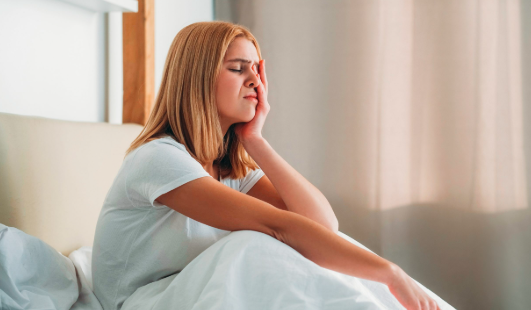
Relieving a sleep deprivation headache usually involves improving rest, reducing stress, and helping the body recover from fatigue. Below are some simple and effective ways to reduce headache symptoms caused by poor sleep.
- Take a Short Nap: A short nap can help the brain recover and reduce fatigue-related headache pain. Keeping naps brief may prevent grogginess and help improve alertness.
- Drink More Water: Dehydration can make headaches worse, especially after poor sleep. Drinking enough water throughout the day may help ease head pain and improve energy levels.
- Rest in a Dark and Quiet Room: Bright lights and loud noises can increase headache discomfort. Resting in a calm environment may help the brain relax and reduce sensitivity.
- Use Cold or Warm Compresses: Applying a cold or warm compress to the forehead, neck, or eyes can help relax muscles and reduce headache pressure.
- Over-the-Counter Pain Relievers: Common pain relievers may provide temporary relief from sleep-related headaches. They should be used carefully and according to the recommended dosage.
- Relaxation Techniques and Deep Breathing: Deep breathing, meditation, and relaxation exercises can lower stress levels and help reduce tension that may contribute to headaches.
Best Sleep Habits to Prevent Headaches
Healthy sleep habits can improve sleep quality and lower the risk of headaches caused by sleep deprivation. Below are some effective habits that may help prevent sleep-related headaches.
Maintain a Consistent Sleep Schedule
Going to bed and waking up at the same time every day helps regulate the body’s internal clock. A regular sleep routine can improve sleep quality and reduce headache frequency.
Avoid Screens Before Bed
Using phones, tablets, or computers before bedtime can interfere with melatonin production and make it harder to fall asleep. Limiting screen time at night may help the brain relax more easily.
Reduce Caffeine and Alcohol
Too much caffeine or alcohol, especially in the evening, can disturb sleep patterns. Reducing these substances may improve rest and lower the chances of waking up with a headache.
Create a Comfortable Sleep Environment
A quiet, dark, and cool bedroom can help support better sleep. Comfortable pillows and a supportive mattress may also reduce body tension and improve sleep quality.
Exercise Regularly
Regular physical activity can help reduce stress and improve overall sleep patterns. Better sleep may help prevent headaches linked to fatigue and tension.
Avoid Heavy Meals Late at Night
Eating large or heavy meals before bedtime can cause discomfort and disrupt sleep. Lighter evening meals may help the body rest more comfortably throughout the night.
When Should You See a Doctor for Sleep-Related Headaches?

You should consider seeing a doctor if sleep-related headaches become frequent, severe, or start affecting your daily life. Frequent morning headaches may be a sign of an underlying sleep disorder such as insomnia or sleep apnea.
Severe migraines after poor sleep, especially those that do not improve with rest or medication, may also require medical attention. Headaches combined with dizziness, blurred vision, confusion, or balance problems should never be ignored because they can sometimes indicate a more serious health condition.
In some cases, symptoms like loud snoring, breathing pauses during sleep, or extreme daytime fatigue may point to sleep disorders that need proper diagnosis and treatment.
Natural Remedies for Sleep and Headache Relief
Natural remedies may help improve sleep quality and reduce headaches caused by stress, fatigue, or poor sleeping habits. Below are some commonly used methods for better sleep and headache relief.
Magnesium Supplements
Magnesium may help relax muscles, support nerve function, and improve sleep quality. Some people also find that it helps reduce the frequency of headaches and migraines.
Herbal Tea Before Bed
Herbal teas such as chamomile or peppermint tea may help calm the mind and promote relaxation before bedtime. Drinking warm herbal tea at night can support better sleep habits.
Meditation and Yoga
Meditation and gentle yoga exercises can help lower stress levels and relax the body. These relaxation techniques may improve sleep and reduce tension-related headaches.
Melatonin Supplements
Melatonin supplements are sometimes used to support healthy sleep cycles, especially for people with irregular sleeping patterns. Better sleep may help reduce headache symptoms linked to sleep deprivation.
Aromatherapy and Relaxation
Relaxing scents such as lavender or eucalyptus may help create a calming sleep environment. Aromatherapy combined with relaxation techniques can support stress relief and improve sleep comfort.
FAQs
Can one night of no sleep cause a headache?
Yes, even one night without enough sleep can trigger a headache or migraine in some people. Sleep deprivation increases stress hormones and makes the brain more sensitive to pain.
How long does a sleep deprivation headache last?
A sleep deprivation headache can last from a few hours to an entire day depending on how severe the lack of sleep is. Getting proper rest and staying hydrated may help shorten its duration.
What is the fastest way to relieve a headache from lack of sleep?
The fastest ways to relieve a sleep-related headache include resting in a dark room, drinking water, and taking a short nap. Over-the-counter pain relievers may also help reduce discomfort quickly.
Can naps help headaches caused by poor sleep?
Yes, short naps can help reduce headaches caused by fatigue and sleep loss. A 20–30 minute nap may improve alertness and ease head pain without causing grogginess.
Conclusion
Lack of sleep can have a major impact on both physical and mental health, and headaches are one of the most common effects of poor sleep. Understanding the causes, symptoms, and types of sleep-related headaches can help you take the right steps toward relief.
Improving sleep habits, managing stress, and following a healthy routine may reduce headache frequency and improve overall wellbeing. If headaches continue regularly or become severe, seeking medical advice is important for proper treatment and diagnosis.
Related Articles
How Long Does a Fractured Toe Take to Heal? (And What Affects Your Recovery)
Balance Care Health Insurance: Plans, Benefits, Costs, and Enrollment Guide
Does the Sauna Help With Acne? Benefits, Risks, and What You Need to Know
Can Anxiety Cause Nausea? Causes, Symptoms & Fast Relief
Vege Health Foods: Complete Guide to Products, Benefits, Quality, and Plant-Based Living