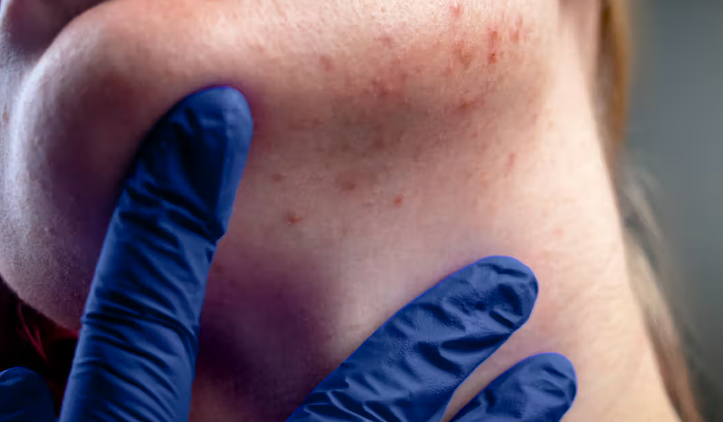
Jawline acne is a common skin problem that frequently results from hormonal fluctuations, such as periods or conditions like PCOS, which increase androgen-driven sebum production. It can also develop due to clogged pores caused by cosmetics, sweat, or constant friction from masks and phones.
In many cases, jawline acne appears as painful pimples, cysts, or recurring breakouts around the chin and jaw area. In this article, we will discuss the causes, symptoms, treatments, and prevention tips for jawline acne to help you better understand and manage this stubborn skin condition.
What Is Jawline Acne?
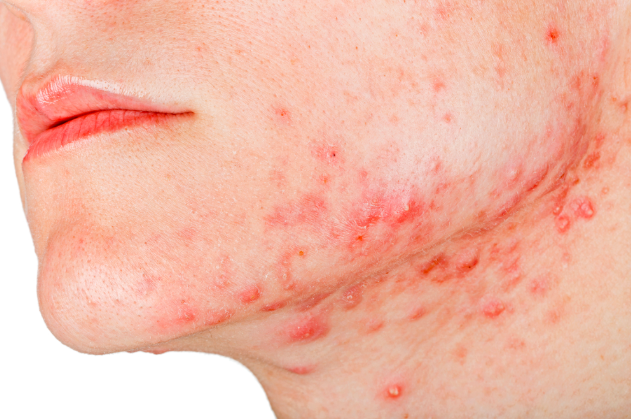
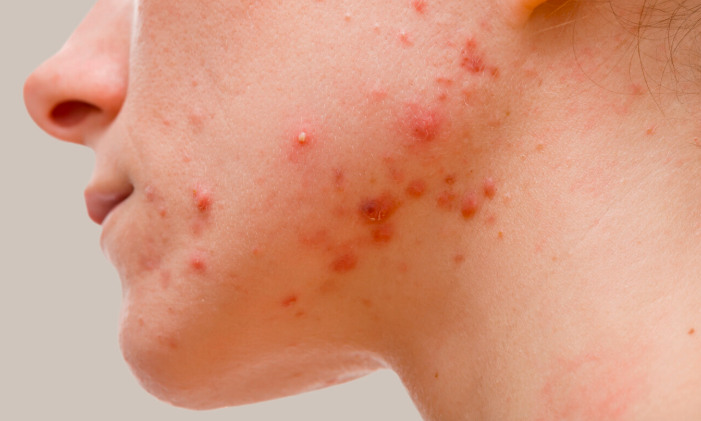
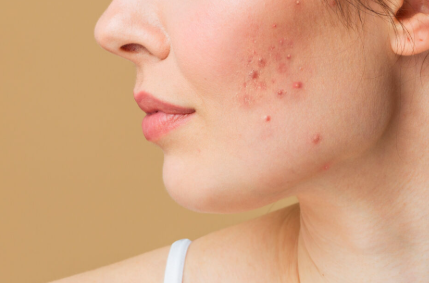
Jawline acne refers to pimples, bumps, cysts, or clogged pores that develop around the jaw and chin area. It happens when oil, dead skin cells, and bacteria block the pores. The blocked pores become inflamed, leading to acne breakouts.
This type of acne is very common in adults and is often linked to hormonal fluctuations. Women may notice jawline acne before or during their menstrual cycle, while men may experience it due to oily skin, shaving irritation, or stress.
Jawline acne may appear in different forms, including:
| Type of Acne | Description |
| Whiteheads | Small closed clogged pores |
| Blackheads | Open pores filled with oil and dead skin |
| Papules | Red inflamed bumps |
| Pustules | Pimples filled with pus |
| Cystic Acne | Large painful bumps under the skin |
Cystic jawline acne is usually the most painful and may leave scars if not treated properly.
Common Causes of Jawline Acne
There are several possible reasons why acne develops around the jawline. In many cases, multiple factors work together to trigger breakouts.
Hormonal Changes
Hormones are one of the biggest causes of jawline acne. Increased androgen hormones can stimulate oil glands, causing excess sebum production. Too much oil mixes with bacteria and dead skin cells, leading to clogged pores.
Hormonal fluctuations commonly happen during:
- Menstrual cycles
- Pregnancy
- Puberty
- Menopause
- Polycystic ovary syndrome (PCOS)
Excess Oil Production
People with naturally oily skin are more likely to develop jawline acne. When the skin produces excess oil, pores become blocked more easily.
Stress
Stress increases cortisol levels in the body. High cortisol can stimulate oil production and worsen inflammation, making acne breakouts more frequent.
Poor Skincare Habits
Using harsh products or failing to clean the skin properly can irritate the jawline area. Sleeping with makeup on or using pore-clogging products may also trigger acne.
Friction and Touching the Face
Constantly touching the jawline, wearing tight masks, or resting the face on hands can transfer bacteria and irritate the skin.
Diet and Lifestyle
Some people notice that sugary foods, dairy products, and greasy meals make their acne worse. Lack of sleep and dehydration may also affect skin health.
Signs and Symptoms of Jawline Acne
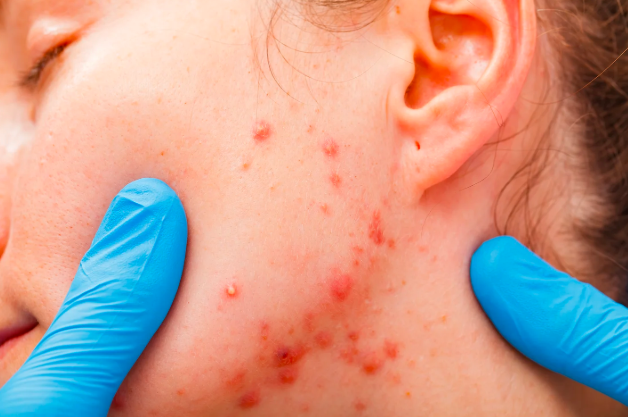
Jawline acne does not look the same for everyone. Some people only get occasional pimples, while others experience painful cystic acne.
Common symptoms include:
- Red bumps around the jawline
- Painful cysts under the skin
- Whiteheads and blackheads
- Swelling and tenderness
- Acne scars or dark spots
- Recurring breakouts in the same area
Hormonal jawline acne often appears deeper under the skin and may feel sore to touch.
Hormonal Jawline Acne Explained
Hormonal acne is one of the most common reasons for persistent jawline breakouts. It usually develops when hormone levels change and stimulate the skin’s oil glands.
Hormonal jawline acne is more common in adult women but can affect men as well. Breakouts often appear repeatedly in the same areas of the chin and jaw.
Signs That Your Jawline Acne May Be Hormonal
| Symptom | Possible Meaning |
| Breakouts before periods | Hormonal fluctuation |
| Deep painful cysts | Hormonal inflammation |
| Acne mostly on chin and jaw | Hormonal pattern |
| Adult acne after age 25 | Hormonal imbalance |
| Oily skin with breakouts | Increased androgen activity |
Hormonal acne can sometimes be linked to conditions like PCOS, which may require medical treatment.
Foods and Habits That Trigger Jawline Acne
Certain foods and lifestyle habits may worsen acne for some people. Although diet affects everyone differently, some triggers are commonly reported.
Foods That May Trigger Acne
- Sugary snacks and drinks
- Processed foods
- Excess dairy products
- Fast food and fried foods
- High-glycemic foods like white bread
Habits That Can Worsen Jawline Acne
- Picking or squeezing pimples
- Not washing pillowcases regularly
- Using dirty makeup brushes
- Sleeping with makeup on
- Touching the face frequently
- Poor sleep habits
Drinking enough water and maintaining a balanced diet may help improve overall skin health.
Best Skincare Ingredients for Jawline Acne

Using the right skincare ingredients can make a major difference in treating jawline acne.
Salicylic Acid
Salicylic acid helps unclog pores and remove excess oil. It is useful for blackheads and mild acne.
Benzoyl Peroxide
This ingredient kills acne-causing bacteria and reduces inflammation.
Retinoids
Retinoids increase skin cell turnover and help prevent clogged pores. They are often recommended for moderate to severe acne.
Niacinamide
Niacinamide reduces redness, controls oil production, and improves the skin barrier.
Azelaic Acid
Azelaic acid helps reduce acne, inflammation, and post-acne dark spots.
Tea Tree Oil
Tea tree oil has antibacterial properties that may help mild acne when used carefully.
| Ingredient | Main Benefit |
| Salicylic Acid | Unclogs pores |
| Benzoyl Peroxide | Reduces bacteria |
| Retinoids | Prevents clogged pores |
| Niacinamide | Controls oil and redness |
| Azelaic Acid | Fades dark spots |
| Tea Tree Oil | Natural antibacterial effect |
Daily Skincare Routine for Clear Skin
A consistent skincare routine is important for controlling jawline acne.
Morning Routine
- Wash the face with a gentle cleanser
- Apply acne treatment if needed
- Use a lightweight moisturizer
- Apply sunscreen daily
Night Routine
- Remove makeup completely
- Cleanse the skin gently
- Apply treatment products
- Use a non-comedogenic moisturizer
Avoid scrubbing the skin aggressively because irritation can make acne worse.
How to Treat Jawline Acne Naturally
Some people prefer natural methods alongside medical treatments. While natural remedies may not cure severe acne, they can support healthy skin.
Helpful Natural Remedies
- Applying aloe vera gel
- Using diluted tea tree oil
- Reducing sugar intake
- Drinking more water
- Managing stress through exercise or meditation
- Getting enough sleep
Natural remedies usually work best for mild acne and should be used consistently.
Medical Treatments for Severe Jawline Acne
Severe or cystic jawline acne may require professional treatment from a dermatologist.
Prescription Creams
Doctors may prescribe stronger retinoids or antibiotic creams.
Oral Antibiotics
Antibiotics help reduce bacteria and inflammation in moderate acne cases.
Hormonal Treatments
Birth control pills or hormone-regulating medications may help hormonal acne in women.
Isotretinoin
Isotretinoin is a strong acne medication used for severe cystic acne that does not respond to other treatments.
Professional Procedures
Dermatologists may recommend:
- Chemical peels
- Laser therapy
- Cortisone injections
- Light therapy
Professional treatment may also help reduce acne scarring.
Tips to Prevent Jawline Acne in the Future
Preventing jawline acne requires healthy skincare habits and lifestyle changes.
Prevention Tips
- Wash the face twice daily
- Avoid touching the jawline
- Keep pillowcases clean
- Use non-comedogenic skincare products
- Remove makeup before sleeping
- Stay hydrated
- Eat a balanced diet
- Manage stress levels
- Avoid picking pimples
Consistency is very important when treating acne. Results usually take several weeks to become noticeable.
Conclusion
Jawline acne is a frustrating but very common skin condition that can affect both teenagers and adults. Hormonal changes, stress, excess oil production, diet, and poor skincare habits are some of the most common causes of breakouts around the chin and jawline area. While mild acne may improve with proper skincare and healthy habits, severe or painful acne may require medical treatment.
Understanding your skin type and identifying possible triggers can help you manage jawline acne more effectively. With patience, consistency, and the right treatment plan, many people can reduce breakouts and achieve healthier, clearer skin.
FAQs
Can shaving cause acne around the jawline?
Yes, shaving irritation, dirty razors, or ingrown hairs can lead to acne-like bumps on the jawline.
Can dehydration affect jawline acne?
Dehydration may weaken the skin barrier and increase oil production, which can worsen acne in some people.
Can jawline acne leave scars?
Yes, severe or cystic acne may leave scars or dark marks if treated improperly.
Can weather changes trigger jawline acne?
Hot and humid weather may increase oil production and sweating, leading to more breakouts.
Does caffeine cause jawline acne?
Caffeine does not directly cause acne, but too much caffeine may increase stress or affect sleep quality.
Related Articles
Vege Health Foods: Complete Guide to Products, Benefits, Quality, and Plant-Based Living
Can Anxiety Cause Nausea? Causes, Symptoms & Fast Relief
Does the Sauna Help With Acne? Benefits, Risks, and What You Need to Know
Can I Workout With Stitches on My Head? Complete Guide
Pain in Big Toe Joint: Causes, Symptoms, and Best Treatments