



Waking up in the middle of the night with sore, throbbing legs is more common than most people realize, and it can leave you exhausted the next morning. If you keep asking yourself why do my legs ache at night, the answer usually lies in how your body behaves once you lie down and stop moving.
Blood flow patterns shift, distractions fade away, and minor irritations that you ignored all day suddenly demand your attention. In most cases, the discomfort traces back to simple, manageable reasons like cramping muscles, dehydration, or spending too many hours on your feet.
Sometimes, though, it can point toward something that needs medical attention, such as poor circulation or nerve compression. This guide walks you through the most likely causes, practical ways to find relief, and the warning signs that should never be ignored.
What Causes Legs to Ache at Night?
Nighttime leg aches usually stem from a mix of muscular, circulatory, and nerve-related factors that become more noticeable once you’re lying still. Below are the most common reasons your legs might be aching after dark.
Nocturnal Leg Cramps (Charley Horse)
Nocturnal leg cramps are sudden, involuntary muscle contractions that most often grip the calf, though they can also affect the thigh or foot. They tend to strike without warning and can be intense enough to jolt you awake in pain. Overworked muscles, sitting for long stretches, or a mineral shortfall are frequently behind these late-night spasms.
Restless Legs Syndrome (RLS)
Restless legs syndrome is a neurological condition that creates an almost irresistible urge to move your legs, especially while resting in the evening. Along with the urge to move, people often describe crawling, tingling, or pulling sensations deep in the muscles. Low iron levels and disrupted dopamine signaling in the brain are commonly linked to this condition.
Dehydration and Electrolyte Imbalance
When your body runs low on fluids or key minerals like magnesium, potassium, and calcium, your muscles lose some of their ability to relax properly. This imbalance makes involuntary contractions and cramping far more likely once you settle down for the night. Sweating heavily during the day without replacing lost minerals is a common trigger.
Poor Circulation and Venous Insufficiency
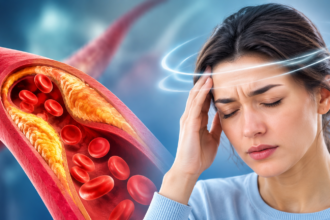
When leg veins struggle to push blood back toward the heart, it tends to pool in the lower legs, especially once your muscles stop contracting at night. This pooling creates a heavy, aching, throbbing sensation that often worsens the longer you lie flat. Varicose veins and chronic venous insufficiency are frequent culprits behind this pattern.

Peripheral Neuropathy
Nerve damage, often linked to diabetes, can cause burning, tingling, or aching sensations that intensify at night when there are fewer distractions around you. This kind of pain sometimes starts in the feet and gradually moves upward into the legs over time. Left unmanaged, neuropathy symptoms tend to worsen, so early evaluation matters.
Vascular Issues and Blood Clots
Peripheral artery disease narrows the arteries that supply your legs, reducing oxygen delivery and causing aching or cramping that can flare up during rest. A deep vein blood clot is far more urgent, since it can cause sudden swelling, warmth, and one-sided pain that demands immediate medical care. Because these vascular causes carry serious risks, they should never be dismissed as ordinary muscle soreness.
Nerve Compression and Sciatica
Pressure on the nerves in your lower spine can send sharp, burning, or electric-like pain radiating down one leg, and lying down sometimes makes this worse. Sciatica is a common example, usually triggered by a herniated disc or spinal narrowing pressing on nearby nerves. This type of pain often follows a specific path rather than affecting the whole leg evenly.
Overuse and Daytime Activity
The way you use your legs throughout the day has a direct effect on how they feel once you finally lie down to rest. Long hours of standing, intense exercise, or awkward posture create tiny muscle tears that quietly build up inflammation. By nighttime, with nothing left to distract you, that accumulated strain often surfaces as a dull, persistent ache.
Pregnancy-Related Leg Aches
Pregnancy naturally increases pressure on the veins carrying blood from your legs back to your heart, which can lead to fluid retention and aching. Hormonal shifts during this time also tend to relax muscles and loosen ligaments, making cramps and soreness more likely. These symptoms are common and usually ease on their own after delivery.
Medication Side Effects
Certain prescriptions, including diuretics, statins, and some steroids, are known to interfere with muscle function or fluid balance in ways that trigger leg discomfort. If your leg aches started around the same time you began a new medication, that timing is worth mentioning to your doctor. Adjusting the dosage or switching medications can often resolve the issue without stopping necessary treatment.
Common Causes at a Glance
The table below summarizes the main patterns discussed above so you can quickly match your symptoms to a likely cause.
| Symptom | Likely Cause | When to Worry |
| Sudden calf spasm | Nocturnal leg cramp | Rare, unless very frequent |
| Crawling, urge to move | Restless legs syndrome | If it regularly disrupts sleep |
| Heavy, throbbing legs | Poor circulation / venous insufficiency | If swelling or skin changes appear |
| Burning, tingling | Peripheral neuropathy | Yes, especially if diabetic |
| Sudden swelling, warmth, one-sided pain | Blood clot (DVT) | Emergency, seek care immediately |
| Sharp pain radiating down one leg | Sciatica / nerve compression | If severe or persistent |
| General soreness after activity | Overuse / muscle fatigue | Rare, unless it worsens |
When to See a Doctor
While most nighttime leg aches are harmless and fade with simple home care, some symptoms signal a problem that needs prompt medical attention. Reach out to a healthcare provider if you notice any of the following alongside your leg pain:
• Sudden swelling, warmth, or redness in one leg
• Pain accompanied by fever
• Numbness, weakness, or difficulty walking
• Aching that gets progressively worse despite rest and home care
• Visible skin discoloration or open sores on the leg
These signs can point toward Thrombus, infections, or advanced circulatory problems that require immediate evaluation rather than home treatment.
| Medical Emergency NoteSudden one-sided swelling with warmth and pain can indicate a deep vein blood clot. This needs emergency care right away, not a wait-and-see approach. |
How to Relieve Leg Aches at Night?
For most people, nighttime leg aches respond well to a handful of simple, at-home strategies. Try incorporating these into your evening routine:
• Gently stretch your calves and hamstrings before bed
• Stay hydrated throughout the day, not just at night
• Apply a warm compress or take a warm bath before sleeping
• Elevate your legs slightly while lying down
• Ask your doctor about a magnesium supplement if cramps are frequent
• Wear compression socks if circulation seems to be a factor
Consistency matters more than intensity here; a short nightly stretch routine tends to work better over time than an occasional, longer session.
Prevention Tips
Preventing nighttime leg aches is often about small, consistent daily habits rather than a single fix. The following adjustments can lower how often the discomfort returns:
• Avoid sitting or standing in one position for too long
• Balance activity levels, avoiding both overexertion and prolonged inactivity
• Choose supportive, well-fitted footwear during the day
• Maintain a diet that includes potassium, magnesium, and calcium
• Change sleep positions if pressure on your legs seems to worsen symptoms
Frequently Asked Questions
Is it normal for my legs to ache every night?
Occasional aching is common, but if it happens every night or keeps getting worse, it is worth discussing with a doctor to rule out circulation or nerve issues.
Can dehydration alone cause leg aches at night?
Yes, low fluid and mineral levels can trigger cramping and general soreness, especially after a day of heavy sweating or limited water intake.
Should I worry if only one leg aches at night?
One-sided aching, especially with swelling or warmth, deserves prompt medical evaluation since it can indicate a blood clot.
Do leg aches at night always mean poor circulation?
Not always, but heavy, throbbing pain that improves with movement often points toward a circulation problem and is worth having checked.
Can stretching before bed actually help?
Yes, gentle stretching relaxes the muscles and can reduce how often and how intensely nighttime cramps occur for many people.
Conclusion
Nighttime leg aches usually come down to everyday causes like cramping, dehydration, or a long day on your feet, and most cases improve with simple home care.
Paying attention to patterns, such as swelling, one-sided pain, or symptoms that keep getting worse, helps you know when it is time to see a doctor. With a few consistent habits, restful, ache-free nights are within reach for most people.
RELATED ARTICLES
How Does the Digestive System Work With the Circulatory System?
Knee Hurts After Bending: Common Reasons and How to Fix It
Is the Digestive System Related to the Respiratory System?
How to Heal a Sprained Foot Overnight: Fast Relief Tips That Work