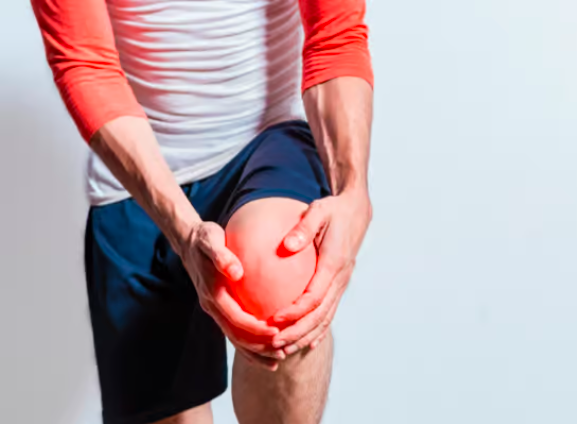
Knee pain after bending is a common problem that can make daily activities like sitting, squatting, or climbing stairs uncomfortable. It is often caused by conditions such as arthritis, meniscus tears, tendonitis, or simple overuse of the knee joint. These issues can lead to pain, stiffness, swelling, or a feeling of weakness when the knee is moved or bent.
We will explore the common causes of knee hurts after bending, effective exercises to reduce knee pain, and the available medical treatments for knee pain after bending to help you manage and improve your condition.
Why Does My Knee Hurt After Bending?
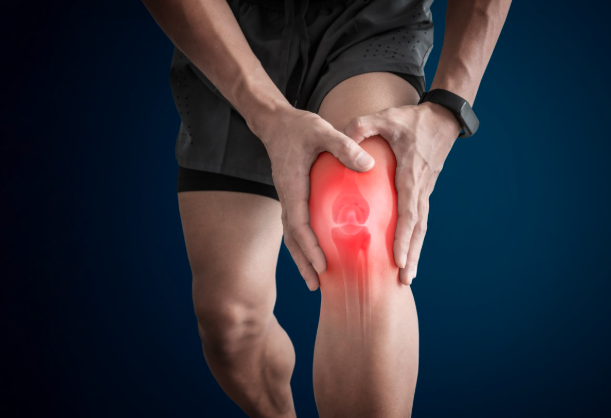
Knee pain when bending is often caused by conditions like runner’s knee, meniscus tears, or arthritis. Runner’s knee happens when the kneecap doesn’t move properly, leading to pain during movement.
A meniscus tear damages the knee’s cushioning cartilage, causing discomfort while bending. Arthritis wears down the joint over time, resulting in stiffness and pain. These issues increase pressure on the knee, making bending or squatting painful.
Common Causes of Knee Hurts After Bending
Knee pain after bending is usually linked to problems in the knee joint’s bones, cartilage, or tendons. Below we will discuss the main conditions that commonly lead to this type of pain.
Patellofemoral Pain Syndrome
This condition occurs when the kneecap does not track properly over the thigh bone. It leads to pain mainly during bending, squatting, or climbing stairs. Overuse or poor alignment often triggers this issue.
Meniscus Tear or Cartilage Injury
A meniscus tear happens when the knee’s cushioning cartilage gets damaged. It can cause pain, swelling, and difficulty in fully bending the knee. Sudden twisting movements are a common reason for this injury.
Knee Osteoarthritis
Osteoarthritis is a condition where the knee joint cartilage gradually wears down. It causes stiffness, pain, and reduced flexibility, especially during movement. This condition is more common with aging or long-term joint stress.
Patellar Tendonitis
Patellar tendonitis is inflammation of the tendon connecting the kneecap to the shinbone. It usually results from repeated jumping or heavy knee use. The condition causes pain just below the kneecap during movement.
Knee Hurts After Bending in Specific Movements
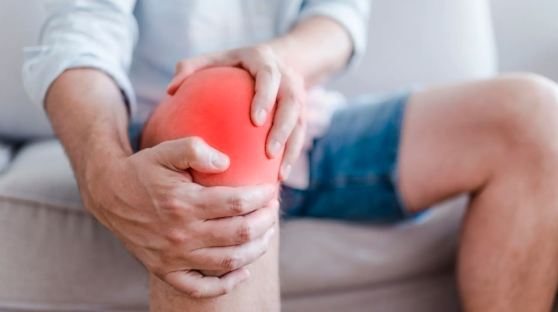
Knee pain after bending can appear in different daily activities depending on how the joint is stressed. Below are the common movements where this pain is often noticed.
Knee Pain After Squatting or Sitting Down
This pain usually happens due to extra pressure on the kneecap and joint. The cartilage and surrounding tissues get compressed during deep bending. It often indicates weakness or irritation in the knee structures.
Knee Hurts When Standing Up After Bending
Pain during standing up is often linked to stiffness in the knee joint. The muscles and tendons may struggle to support smooth movement. This can also be a sign of cartilage wear or mild inflammation.
Knee Pain After Kneeling or Stair Climbing
Kneeling and stair climbing put extra load on the front part of the knee. This can irritate the kneecap area and nearby tendons. Repeated stress in these movements can increase discomfort over time.
Knee Pain While Straightening After Bending
This type of pain may occur due to tight or inflamed joint structures. The knee may feel resistance or discomfort while extending fully. It often points to irritation in cartilage or soft tissues.
Symptoms That Come With Knee Hurts After Bending
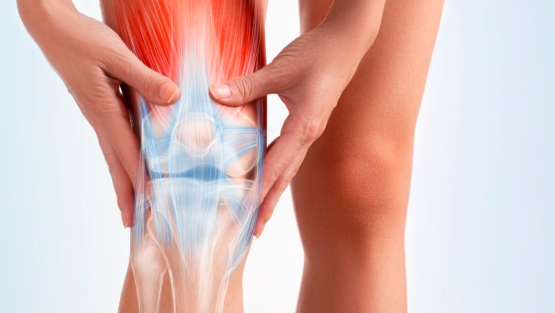
Knee pain after bending is often accompanied by other noticeable signs that indicate an underlying joint problem. These symptoms can vary depending on the cause and severity of the condition.
- Stiffness in the knee joint
The knee may feel tight or difficult to move, especially after rest or prolonged sitting. This makes bending and straightening uncomfortable. - Swelling around the knee
Inflammation can cause visible puffiness around the joint. This often happens after activity or strain. - Clicking or popping sound
Some people notice sounds when moving the knee, which may indicate cartilage or tracking issues. It can occur during bending or straightening. - Pain during movement
Discomfort increases when performing activities like squatting, kneeling, or climbing stairs. The pain may range from mild to sharp. - Weakness or instability
The knee may feel like it might give way while standing or walking. This can affect balance and confidence in movement.
Home Remedies for Knee Hurts After Bending
Knee pain after bending can often be managed at home with simple care techniques that reduce strain and inflammation. These methods help improve comfort and support faster recovery.
RICE Method (Rest, Ice, Compression, Elevation)
Rest the knee to avoid further stress on the joint. Ice helps reduce pain and swelling, especially after activity. Compression and elevation support fluid control and decrease inflammation.
Activity Modification
Avoid movements that worsen knee pain like deep squatting or heavy lifting. Replace high-impact activities with low-impact ones such as walking or cycling. This helps protect the joint while it heals.
Gentle Stretching & Mobility Work
Light stretching keeps the knee flexible and reduces stiffness. Slow range-of-motion exercises improve joint movement without adding strain. Regular practice supports long-term knee health.
OTC Pain Relief Options
Over-the-counter pain relievers can help reduce pain and inflammation. They are useful for short-term symptom control during flare-ups. Always follow recommended dosage for safe use.
Exercises to Reduce Knee Hurts After Bending
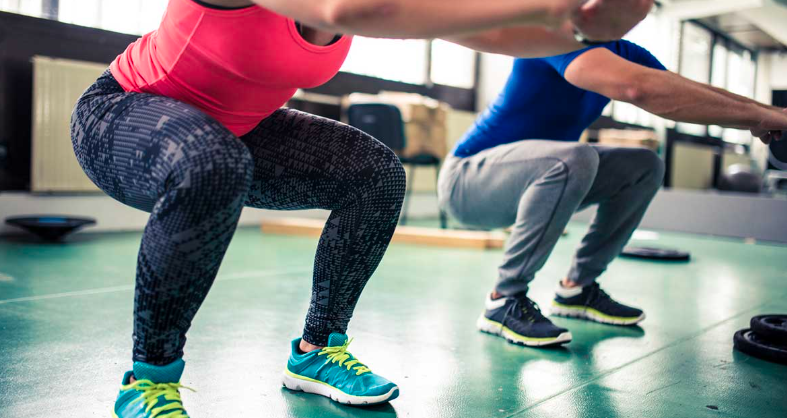
Strengthening and stretching exercises help improve knee stability and reduce pressure on the joint during movement. These exercises also support better flexibility and long-term joint function.
Quadriceps Strengthening Exercises
Strengthening the front thigh muscles helps support proper kneecap alignment. This reduces stress on the knee during bending and daily activities. It also improves overall joint stability.
Hamstring and Calf Stretching
Stretching the back of the thigh and calf muscles helps reduce tightness around the knee. This improves movement during bending and straightening. It also lowers pressure on the knee joint.
Low-Impact Activities
Activities like walking, cycling, and swimming keep the knee active without heavy stress. They improve blood flow and joint mobility. Regular practice helps maintain knee strength and flexibility.
Medical Treatments for Knee Hurts After Bending
When knee pain persists or becomes severe, medical treatments are used to address the underlying cause and improve joint function. These options focus on reducing pain, restoring movement, and preventing further damage.
Physical Therapy
Physical therapy helps strengthen the muscles around the knee and improves flexibility. It guides controlled exercises to restore normal movement. Over time, it reduces pain and improves joint stability.
Knee Braces or Support Devices
Knee braces provide external support and help stabilize the joint during movement. They reduce strain while bending or walking. This can make daily activities more comfortable and safe.
Injections or Medications
Doctors may recommend anti-inflammatory medicines or injections to reduce pain and swelling. These treatments are useful for chronic or severe inflammation. They help improve short-term mobility and comfort.
Surgery (Severe Cases)
Surgery is considered when there is major damage like torn ligaments or advanced joint degeneration. It helps repair or replace damaged structures in the knee. This option is usually used when other treatments are not effective.
How to Prevent Knee Pain After Bending?
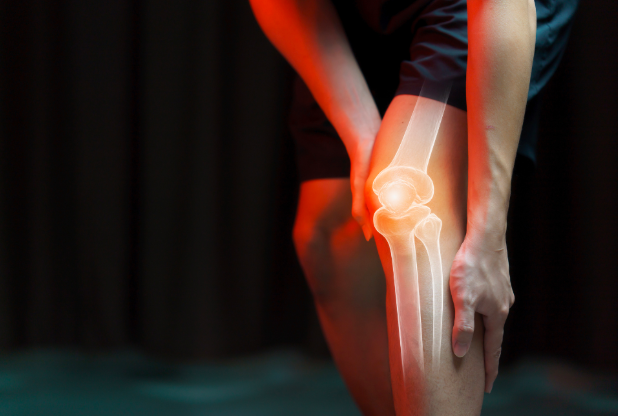
Knee pain after bending can often be prevented by strengthening the muscles that support the joint, especially the quads, hamstrings, and hips. These muscles help reduce pressure on the knee by improving stability and balance during movement.
Using proper form while bending, squatting, or lifting also prevents unnecessary strain on the knee joint. Regular movement and light exercises keep the joints flexible and help maintain smooth, pain-free motion.
When to See a Doctor for Knee Hurts After Bending?
Knee pain after bending can sometimes be temporary, but certain signs suggest a more serious issue. Below, we explain the situations where medical evaluation is important.
- Pain lasting more than a few days
If the pain does not improve with rest and home care, it may suggest an underlying joint issue that needs evaluation. - Severe swelling or instability
Noticeable swelling or a feeling that the knee might give way can indicate injury or inflammation. This should not be ignored. - Inability to bend or straighten knee
Difficulty in moving the knee fully may point to structural damage or severe stiffness in the joint. - Locking or clicking with pain
If the knee gets stuck or makes painful clicking sounds, it may suggest cartilage or meniscus problems. - Post-injury knee pain
Pain after a fall, twist, or direct impact may indicate ligament or tissue injury. Medical assessment is important in such cases.
FAQs
Can sitting for long hours cause knee pain after bending?
Yes, prolonged sitting can make the knee stiff and reduce flexibility. When you finally bend or move, it may cause discomfort or pain due to tight muscles and reduced joint lubrication.
Is knee pain after bending always a sign of serious injury?
No, not always. It can be due to mild strain or overuse. However, if pain is persistent or severe, it may indicate an underlying condition that needs attention.
Can being overweight worsen knee pain after bending?
Yes, extra body weight puts more pressure on the knee joint. This increases stress during bending, squatting, and climbing stairs, leading to more pain over time.
Does lack of exercise contribute to knee pain?
Yes, inactivity can weaken the muscles that support the knee. Weak muscles make the joint less stable and more prone to pain during movement.
Can footwear affect knee pain after bending?
Improper or unsupportive shoes can affect body alignment. This increases stress on the knees during movement and may lead to discomfort.
Is knee pain after bending common in young people?
Yes, it can occur in young people, especially due to sports injuries, poor posture, or overuse from physical activities.
Can stress or fatigue make knee pain worse?
Yes, stress and fatigue can increase muscle tension. This may indirectly worsen knee discomfort and reduce recovery speed.
Conclusion
Knee pain after bending is a common issue caused by overuse, injuries, or joint conditions like arthritis and meniscus problems. Understanding the symptoms and causes helps in choosing the right treatment and care.
Simple home remedies, exercises, and lifestyle changes can significantly reduce discomfort. In more serious cases, medical treatment may be necessary for proper recovery. Early attention and prevention can help maintain healthy and pain-free knee movement.
Related Articles
Can an Ear Infection Cause Head Pain? Complete Detailed Guide
How Long Does a Fractured Toe Take to Heal? (And What Affects Your Recovery)
Can root canals cause cancer? What the science actually says
Can You Have 2 Health Insurances?
Heart Home Health Care: Complete Guide to Services, Care Process, and Benefits