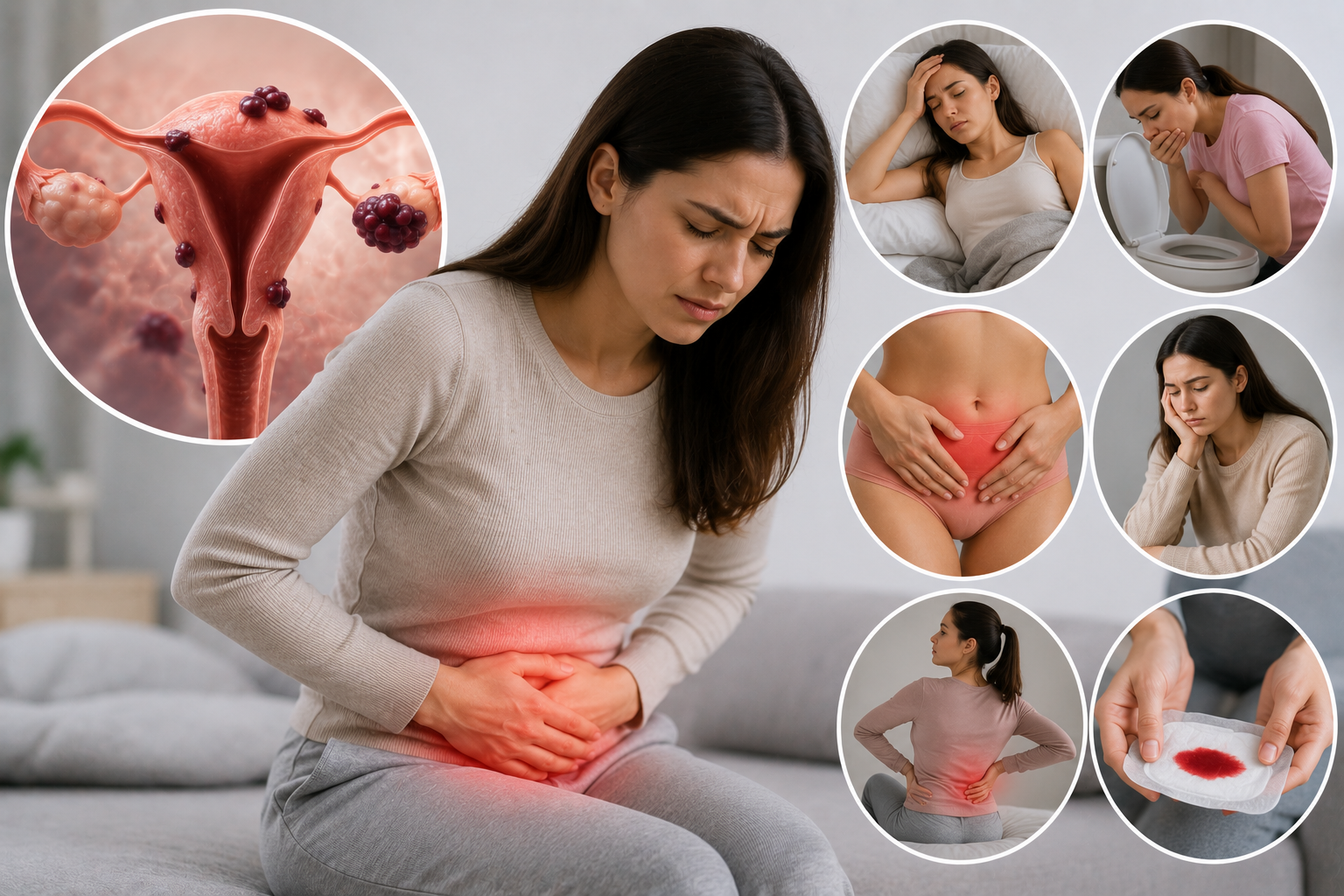
Endometriosis flare up symptoms often strike without warning, turning a normal day into one dominated by pain. If you’ve felt a sudden wave of pelvic cramping, bloating, or fatigue that seems to come out of nowhere, you’re not imagining it — and you’re not alone. This guide breaks down exactly what a flare feels like, what triggers it, and which relief strategies actually help.
You’ll also learn how long flares typically last, when symptoms cross the line into something that needs medical attention, and practical ways to manage a flare while it’s happening.
Key Takeaways
- Endometriosis flares can include pelvic pain, bloating, nausea, and fatigue, often tied to hormonal shifts during the menstrual cycle.
- Common triggers include hormonal fluctuations, stress, certain foods, and physical strain.
- Flares can last anywhere from a few hours to several days, depending on severity and individual factors.
- Heat therapy, anti-inflammatory approaches, and rest are among the most commonly recommended home strategies.
- Severe or worsening pain, fever, or heavy bleeding are signs it’s time to contact a doctor.
- Tracking symptoms over time helps identify personal triggers and patterns.
What Is an Endometriosis Flare Up?
An endometriosis flare up happens when symptoms of the condition suddenly intensify, often triggered by hormonal shifts tied to the menstrual cycle. Endometriosis occurs when tissue similar to the uterine lining grows outside the uterus, and this tissue still responds to hormonal changes each month.
According to the Mayo Clinic, endometriosis tissue thickens, breaks down, and bleeds with each menstrual cycle, but because it has no way to exit the body, it becomes trapped, causing irritation and inflammation.
Pro Tip: Keeping a simple symptom log — noting pain intensity, cycle day, and any unusual activity — can help you and your doctor spot flare patterns faster.
That trapped tissue is what drives flare up symptoms. Flares aren’t a separate condition; they’re the visible, often intense expression of the underlying inflammatory process.
Common Endometriosis Flare Up Symptoms to Watch For
Flare symptoms vary widely from person to person, but several patterns show up consistently across cases.

- Pelvic pain and cramping that feels sharper or more constant than typical period cramps.
- Bloating and abdominal swelling, sometimes called “endo belly.”
- Fatigue that doesn’t improve with rest.
- Digestive symptoms, including nausea, diarrhea, or constipation.
- Lower back or leg pain radiating from the pelvic area.
According to the Cleveland Clinic, endometriosis symptoms commonly include pelvic pain, pain during intercourse, painful bowel movements or urination, and heavy or irregular bleeding. Not every flare includes all of these — some people mainly experience pain, while others notice digestive symptoms are more prominent.
What Triggers an Endometriosis Flare Up?
Understanding endometriosis flare up causes you anticipate and sometimes reduce their intensity.
Hormonal Fluctuations
The menstrual cycle is the most common trigger, since estrogen levels rise and fall predictably each month, directly affecting endometrial-like tissue.
Lifestyle and Environmental Factors
- Stress, which can amplify inflammation and pain perception.
- Certain foods, particularly those high in refined sugar or saturated fat, which some people report worsen symptoms.
- Physical strain, including intense exercise or prolonged sitting.
- Alcohol and caffeine, which some individuals find intensify bloating and cramping.
Warning: Flares that suddenly become far more severe than usual, especially with fever or fainting, should never be self-managed. Contact a healthcare provider promptly.
How Long Does an Endometriosis Flare Up Last?
Flare duration varies significantly. Some flares resolve within a few hours, while others persist for several days, particularly around the start of a menstrual period.
Severity, individual pain thresholds, and whether the flare is tied to ovulation or menstruation all influence how long symptoms last. The National Institute of Child Health and Human Development notes that endometriosis pain can range from mild to severe and may not always correlate with the extent of tissue growth, which explains why flare length is hard to predict from case to case.
Hypothetical Example (for illustration purposes): A 29-year-old tracking her symptoms notices her flares typically begin two days before her period and ease within 48 hours of it starting, once she adds heat therapy and lighter activity to her routine.
Note: This scenario is illustrative. Actual results vary by individual, severity, and treatment approach.
How to Manage Endometriosis Flare Up Symptoms at Home?
While home strategies won’t replace medical treatment, they can ease day-to-day discomfort during a flare.
- Apply heat to the lower abdomen or back using a heating pad to relax pelvic muscles.
- Try gentle movement, such as walking or stretching, which some people find reduces stiffness.
- Prioritize rest during acute flare days rather than pushing through fatigue.
- Consider anti-inflammatory foods, like leafy greens and fatty fish, as part of an overall eating pattern.
- Stay hydrated, which may help ease bloating and digestive discomfort.
These approaches are supportive, not curative — endometriosis itself requires medical management, and home strategies work best alongside a doctor’s care plan.
Comparing Flare-Up Management Approaches
Different approaches suit different symptom patterns. Here’s how common strategies compare:
| Approach | Best For | Time to Relief | Notes |
| Heat therapy | Cramping, muscle tension | 15–30 minutes | Widely used, low risk, no prescription needed |
| Over-the-counter pain relief | Mild to moderate pain | 30–60 minutes | Discuss appropriate use with a pharmacist or doctor |
| Rest and activity modification | Fatigue, severe flares | Hours to days | Supports recovery but doesn’t address underlying cause |
| Dietary adjustments | Bloating, digestive symptoms | Days to weeks | Best tracked over a full cycle for patterns |
| Prescription treatment (per doctor) | Moderate to severe, recurring flares | Varies | Requires medical evaluation and diagnosis |
When to See a Doctor: Warning Signs
Some symptoms signal that a flare needs professional evaluation rather than home management.
- Pain that doesn’t respond to your usual relief methods.
- Heavy bleeding that soaks through protection every hour.
- Fever, which can indicate infection rather than a typical flare.
- Fainting or severe dizziness during a flare.
The American College of Obstetricians and Gynecologists recommends seeking care if pelvic pain interferes with daily activities or worsens over time, since early evaluation can help guide effective treatment.
Frequently Asked Questions
What triggers an endometriosis flare up?
Hormonal shifts during the menstrual cycle are the most common trigger, though stress, certain foods, and physical strain can also intensify symptoms.
How long does an endometriosis flare up last?
Flares can last from a few hours to several days, often depending on where you are in your menstrual cycle and individual severity.
What does an endometriosis flare feel like?
Most people describe sharp or cramping pelvic pain, often paired with bloating, fatigue, or digestive discomfort during a flare.
How can you calm an endometriosis flare up fast?
Heat therapy, rest, and appropriate pain relief are common first steps, though severe flares may need medical attention.
Can endometriosis flare ups cause nausea?
Yes, digestive symptoms including nausea, diarrhea, or constipation are commonly reported alongside pelvic pain during flares.
Is it normal to have flare ups between periods?
Some people experience symptoms outside their period, often linked to ovulation or other hormonal changes, though patterns vary widely.
When should you see a doctor for endometriosis symptoms?
See a doctor if pain worsens, doesn’t respond to usual relief methods, or comes with fever, heavy bleeding, or fainting.
Conclusion
Endometriosis flare up symptoms can feel unpredictable, but they almost always follow patterns tied to your menstrual cycle, stress levels, and daily habits. Once you understand the common triggers — from hormonal fluctuations to certain foods or physical strain — flares stop feeling random and start feeling manageable.
Home strategies like heat therapy, rest, and dietary adjustments can genuinely ease day-to-day discomfort, but they work best as a complement to medical care, not a replacement for it. Endometriosis itself requires proper diagnosis and treatment, so ongoing home management should always sit alongside guidance from a healthcare provider.
RELATED POSTS
How to Sleep With a Stuffy Nose: 10 Proven Fixes That Actually Work
Are Dental Implants Painful? What to Really Expect
Burning Eyes: Causes, Relief, and When to See a Doctor
Dehydrated and Back Pain: Causes, Symptoms, Treatment, and Prevention
Does the Sauna Help With Acne? Benefits, Risks, and What You Need to Know