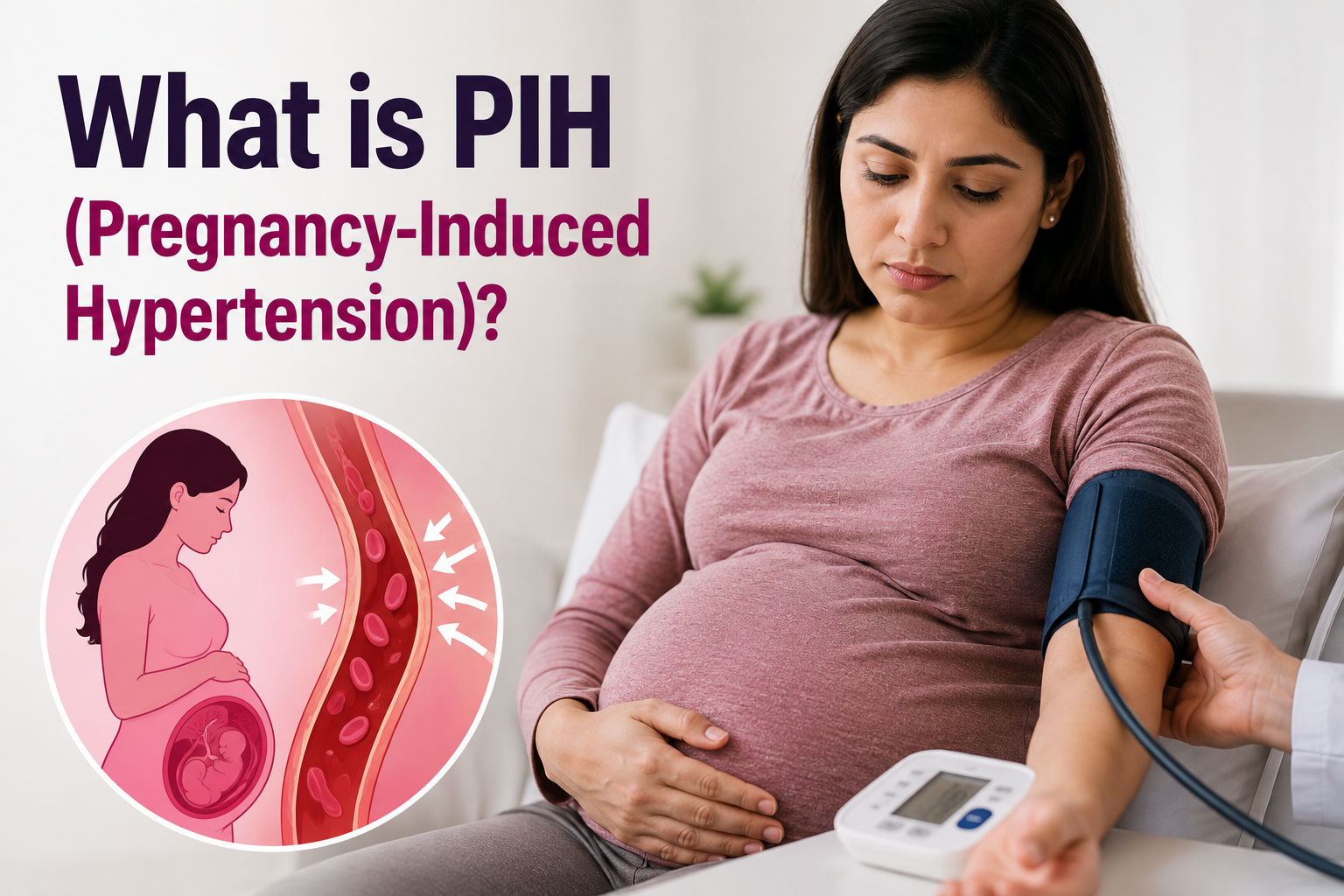
Pregnancy-induced hypertension, or PIH, is high blood pressure that develops after the twentieth week of pregnancy in a woman whose blood pressure was normal before conception.
It is one of the most common concerns doctors watch for during prenatal visits, since it can affect both mother and baby.
Understanding what is PIH pregnancy induced hypertension helps expecting mothers spot early warning signs and get timely care. In most cases, it’s manageable with monitoring, lifestyle care, and medical guidance, and blood pressure usually returns to normal after delivery.
Key Takeaways
- PIH is high blood pressure appearing after 20 weeks of pregnancy in women with previously normal readings.
- It ranges from mild gestational hypertension to more serious preeclampsia and eclampsia.
- Common triggers include first pregnancies, obesity, multiple babies, and pre-existing conditions.
- Warning symptoms include severe headache, blurred vision, swelling, and sudden weight gain.
- Regular prenatal checkups and blood pressure tracking are the best ways to catch it early.
- Delivery is the only true cure, though medication can help control symptoms until then.
What is Pregnancy-Induced Hypertension?
Pregnancy-induced hypertension refers to newly developed high blood pressure that shows up after the halfway point of pregnancy. It differs from blood pressure problems a woman may have had before getting pregnant. Doctors watch it closely because untreated high blood pressure can reduce blood flow to the placenta.
Medical Definition of PIH
Medically, PIH is confirmed when a pregnant woman’s blood pressure reads 140/90 mmHg or higher on two separate occasions, at least four hours apart, after the 20-week mark. Before this point, doctors don’t usually classify elevated readings as pregnancy-related. This timing is what separates PIH from other high blood pressure a woman might already have.
How Does PIH Differ from Chronic Hypertension?
Chronic hypertension exists before pregnancy or is diagnosed within the first 20 weeks, so it isn’t caused by the pregnancy itself. PIH only appears in the second half of pregnancy and is directly tied to changes happening in the body during gestation. Women with chronic hypertension can still develop PIH-related complications on top of it, which doctors watch closely.
When Does PIH Typically Develop?
Most cases of PIH show up between the 20th week and delivery, becoming more common as the due date approaches. Some women notice the first signs during routine third-trimester checkups, which is exactly why prenatal visits matter so much at this stage. In rare cases, the condition can also appear shortly after childbirth.
Types of Hypertension in Pregnancy
Not all pregnancy-related high blood pressure is the same; doctors classify it into a few categories based on severity and symptoms. Knowing these helps explain why some cases need only monitoring while others require urgent treatment.



Gestational Hypertension
Gestational hypertension is the mildest form, involving high blood pressure without protein in the urine or organ damage. It usually appears after 20 weeks and often resolves on its own after the baby is born. Many women with this form go on to have healthy deliveries with monitoring alone.
Preeclampsia
Preeclampsia is a more serious stage where high blood pressure comes with protein in the urine or signs of organ stress, such as liver or kidney issues. It can develop suddenly, even in women who had normal readings earlier on. Left untreated, it can escalate quickly and put both mother and baby at risk.
Eclampsia
Eclampsia is the most severe form and occurs when preeclampsia progresses to include seizures. This is a medical emergency requiring immediate hospital care. Fortunately, with proper prenatal monitoring, most preeclampsia cases are caught before reaching this stage.
Chronic Hypertension with Superimposed Preeclampsia
This type happens when a woman who already has high blood pressure develops additional preeclampsia symptoms during gestation. It tends to be harder to manage since the baseline blood pressure was already elevated. Doctors usually monitor these pregnancies more closely from the start.
Causes and Risk Factors of PIH
The exact cause of PIH isn’t fully understood, but researchers link it to how the placenta develops and connects to the uterus. When blood vessels supplying the placenta don’t form properly, it can trigger a chain reaction that raises blood pressure throughout the body.
Underlying Causes (Placental and Vascular Factors)
Many experts point to abnormal placental blood vessel development as a root cause. When these vessels are narrower or less flexible than normal, they release substances into the bloodstream that cause vessels elsewhere in the body to constrict. This chain reaction is thought to be central to how gestational hypertension and preeclampsia develop.
Risk Factors — Maternal Age, First Pregnancy, and Multiples
Women having their first baby face a higher risk of PIH than those who’ve already given birth. Age plays a role too, with women under 20 or over 35 showing increased likelihood. Carrying twins or other multiples puts extra strain on the circulatory system, further raising the risk.
Pre-existing Conditions (Diabetes, Obesity, Kidney Disease)
Women who enter pregnancy with diabetes, obesity, or kidney disease are more prone to PIH because these conditions already affect blood vessel health and circulation. Obesity in particular is linked to inflammation patterns that can worsen blood pressure regulation during pregnancy. Managing these conditions before conception helps lower the overall risk.
Family History and Genetic Links
A family history of preeclampsia or pregnancy-related blood pressure disorders can raise a woman’s own chances of developing PIH. Genetic factors may influence how the body regulates blood vessel function and immune response during gestation. Doctors often ask about family history during early prenatal visits for this reason.
Signs and Symptoms to Watch For
Recognizing PIH symptoms early can make a real difference in how the condition is managed. Some signs are obvious, while others are subtle enough that they’re only caught through routine checkups.
Common Symptoms
The most direct sign is a blood pressure reading of 140/90 mmHg or higher, usually caught during a prenatal visit. Other common symptoms include persistent headaches, blurred or spotty vision, and swelling in the hands, feet, or face. Sudden, unexplained weight gain over a short period can also be a red flag.
Warning Signs of Preeclampsia Progression
If PIH progresses toward preeclampsia, symptoms can intensify to include upper abdominal pain, nausea, or vomiting appearing later in pregnancy. Shortness of breath and sudden vision changes, like seeing flashing lights, need immediate medical attention. These symptoms suggest the condition may be affecting major organs and shouldn’t be ignored.
When Symptoms Appear “Silent”
In many cases, PIH causes no noticeable symptoms at all, especially in its early or mild stages. This is why routine blood pressure checks at every prenatal appointment matter so much, even when a woman feels completely fine. Silent progression is a main reason doctors stress consistent checkup attendance throughout pregnancy.
Diagnosis of PIH
Diagnosing PIH combines blood pressure tracking with lab tests to rule out or confirm more serious complications. Doctors typically use a step-by-step approach rather than relying on a single reading.
Blood Pressure Monitoring Standards
A single high reading isn’t usually enough for diagnosis; doctors look for at least two elevated readings taken several hours apart. This rules out temporary spikes caused by stress, anxiety, or activity before the appointment. Home blood pressure monitoring may also be recommended for women showing early signs.
Urine Protein Testing
Urine tests check for protein levels, since protein alongside high blood pressure often signals preeclampsia rather than simple gestational hypertension. This quick test is typically done at every prenatal visit once a woman reaches the third trimester. Elevated protein levels prompt closer monitoring and sometimes additional lab work.
Blood Tests and Other Diagnostic Tools
Blood tests reveal how well the liver and kidneys are functioning, helping doctors gauge severity. Platelet counts are also checked, since low levels can indicate a more serious variant of preeclampsia. Ultrasound monitoring of the baby’s growth and fluid levels is sometimes added too.
Risks and Complications
PIH isn’t just a number on a blood pressure cuff; it can have real consequences for both mother and baby if left unmanaged. Understanding these risks is part of why early detection matters.
Risks to the Mother
Untreated PIH can lead to organ damage, particularly to the liver and kidneys, and in severe cases progress to eclampsia with seizures. It also raises the risk of stroke and can complicate delivery, sometimes requiring early induction or a cesarean section. Long recovery times and postpartum monitoring are common when PIH becomes severe.
Risks to the Baby
High blood pressure can restrict blood flow to the placenta, limiting the oxygen and nutrients reaching the baby. This can result in slower growth, low birth weight, or the need for premature delivery. In severe cases, placental complications can also raise the risk of stillbirth if not managed properly.
Long-Term Health Implications
Women who experience PIH, especially preeclampsia, face a higher lifetime risk of chronic high blood pressure and cardiovascular disease later on. Babies born prematurely due to PIH may also need extra developmental monitoring in their early years. This makes ongoing follow-up care important even after delivery.
Comparison Table — PIH Types at a Glance
| Type | Onset | Blood Pressure | Protein in Urine | Key Symptom | Urgency Level |
| Gestational Hypertension | After 20 weeks | ≥140/90 mmHg | No | Mild or none | Routine monitoring |
| Preeclampsia | After 20 weeks | ≥140/90 mmHg | Yes | Swelling, headache, vision changes | Requires close medical care |
| Eclampsia | Usually late pregnancy or postpartum | ≥140/90 mmHg | Yes | Seizures | Medical emergency |
| Chronic HTN with Superimposed Preeclampsia | Pre-existing, worsens after 20 weeks | Often higher baseline | Yes | Sudden worsening of BP and symptoms | Requires close medical care |
Management and Treatment Options
Treatment for PIH depends on how severe it is and how far along the pregnancy is. Mild cases are often managed with monitoring, while more serious ones need medical intervention.
Lifestyle and Monitoring at Home
For mild PIH, doctors often recommend rest, reduced physical strain, and regular home blood pressure checks. Staying hydrated and following a balanced, lower-sodium diet supports better control. Tracking symptoms and reporting changes promptly to a healthcare provider is equally important.
Medications Used to Control Blood Pressure
When readings become significantly high, doctors may prescribe pregnancy-safe medications to keep it under control. These are chosen carefully to protect the baby while managing the mother’s symptoms effectively. Dosages are typically adjusted based on regular follow-up readings.
Hospital Care and Delivery Planning
In more severe cases, hospitalization allows continuous monitoring of both mother and baby through blood tests, fetal heart tracing, and ultrasound checks. If the condition turns dangerous, doctors may recommend early delivery, even before full term. Delivery timing is always weighed against the risks of prematurity versus continuing the pregnancy.
Prevention Tips
While PIH can’t always be prevented, certain steps lower the overall risk and help catch it early if it does develop.
Prenatal Care and Regular Checkups
Attending every scheduled prenatal appointment lets doctors catch rising blood pressure before it becomes dangerous. These visits also include routine urine testing, which helps flag preeclampsia early. Consistent checkup attendance is one of the strongest protective habits a pregnant woman can maintain.
Diet and Lifestyle Adjustments
Eating a balanced diet with controlled sodium, staying active within safe limits, and maintaining a healthy weight before and during pregnancy all help reduce risk. Adequate hydration and limiting caffeine are also commonly recommended. Small, consistent habits tend to matter more than drastic short-term changes.
Managing Pre-existing Risk Factors
Women with diabetes, obesity, or kidney conditions benefit from managing these issues as well as possible before becoming pregnant. Working closely with a doctor to control them early can lower the chances of PIH developing later. Pre-pregnancy checkups are a good opportunity to address these risk factors proactively.
When to See a Doctor Immediately
Certain symptoms should never be ignored during pregnancy: severe headaches that won’t go away, sudden vision changes, upper abdominal pain, or noticeable swelling in the face and hands.
Shortness of breath or a sudden, significant blood pressure spike also calls for urgent medical attention rather than waiting for the next appointment.
Acting quickly on these warning signs can prevent PIH from progressing into a more dangerous condition for both mother and baby.
FAQs
Is PIH dangerous? It can range from mild to serious. Mild cases are manageable with monitoring, but untreated severe cases can cause complications for mother and baby.
Does PIH go away after delivery? Yes, blood pressure usually returns to normal within a few weeks after childbirth, though follow-up monitoring is still recommended.
Can PIH be prevented? Not always fully, but regular prenatal care, a healthy diet, and managing pre-existing conditions can lower the risk.
What blood pressure reading indicates PIH? A reading of 140/90 mmHg or higher, confirmed twice after 20 weeks of pregnancy, typically indicates PIH.
Can I have a normal delivery with PIH? Many women with mild PIH deliver vaginally, but severe cases may need early induction or a cesarean based on the doctor’s assessment.
Conclusion
PIH is a manageable pregnancy condition when caught early through consistent prenatal care and honest communication with your doctor about any symptoms.
While it can range from mild to severe, most women who follow their care plan go on to have safe deliveries and healthy recoveries. Staying informed about what is PIH pregnancy induced hypertension helps expecting mothers act quickly and confidently if warning signs appear.
RELATED ARTICLES
Jawline Acne: Causes, Symptoms, Treatments, and Prevention Tips
Why Do My Veins Hurt in My Arm? Causes, Symptoms & Relief
Does Facial Work for Acne? Benefits, Risks, Types, and What to Expect