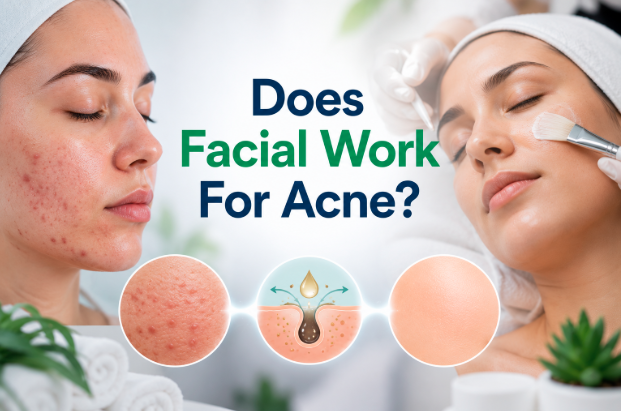
Acne is one of the most common skin concerns affecting people of all ages. From teenagers dealing with hormonal changes to adults struggling with persistent breakouts, acne can impact both appearance and confidence. Because of this, many people search for treatments that can help improve their skin and reduce breakouts. One question that often comes up is: does facial work for acne?
The simple answer is yes, facial treatments can help certain types of acne, but they are not a magic solution for everyone. The effectiveness of a facial depends on the type of acne, the condition of the skin, and the facial treatment being performed. While professional acne facials can improve skin texture, unclog pores, and reduce excess oil, severe acne may require medical treatment from a dermatologist.
In this guide, we will explore everything you need to know about acne facials, including how they work, their benefits, potential risks, and whether they are worth considering for clearer skin.
Understanding Acne
Before answering the question “does facial work for acne,” it is important to understand what acne is and why it develops.
Acne occurs when hair follicles become clogged with oil, dead skin cells, and bacteria. These clogged pores can lead to different types of blemishes, including blackheads, whiteheads, pimples, and cysts. Several factors contribute to acne formation, such as hormonal changes, genetics, stress, skincare habits, and excessive oil production.
Common Types of Acne
| Type of Acne | Description |
|---|---|
| Blackheads | Open clogged pores that appear dark on the skin surface |
| Whiteheads | Closed clogged pores covered by skin |
| Papules | Small red inflamed bumps |
| Pustules | Pimples filled with pus |
| Nodules | Large, painful bumps deep under the skin |
| Cysts | Severe acne lesions filled with fluid and inflammation |
Not all acne types respond the same way to facial treatments. Mild acne, blackheads, and whiteheads often show the most improvement from professional facials.
What Is an Acne Facial?
An acne facial is a specialized skincare treatment designed to target acne-prone skin. Unlike a regular spa facial that focuses mainly on relaxation and hydration, an acne facial aims to deeply cleanse the skin, remove impurities, and reduce factors that contribute to breakouts.
Most professional acne facials include multiple steps that work together to improve skin health. The treatment is usually customized based on the client’s skin type and acne severity.



The goal of an acne facial is not only to treat existing blemishes but also to prevent future breakouts by maintaining cleaner and healthier pores.
How an Acne Facial Works
Understanding the process can help answer the question, does facial work for acne effectively?
A professional acne facial generally includes several stages.
Skin Assessment
The treatment begins with an examination of the skin. The skincare professional evaluates acne severity, skin sensitivity, and areas of concern before selecting the appropriate treatment methods.
Deep Cleansing
A deep cleansing process removes makeup, dirt, oil, and impurities from the skin surface. This step prepares the skin for further treatment.
Steam Treatment
Warm steam is often used to soften the skin and loosen debris trapped inside pores. This makes extractions easier and less uncomfortable.
Exfoliation
Exfoliation removes dead skin cells that can clog pores. Depending on skin sensitivity, the esthetician may use gentle scrubs, enzyme treatments, or chemical exfoliants.
Extractions
This step involves the careful removal of blackheads and whiteheads. Professional extractions can help clear congestion without causing excessive skin damage.
Treatment Mask
A mask designed for acne-prone skin may be applied to calm inflammation, absorb excess oil, and soothe irritation.
Moisturizing and Protection
The facial concludes with lightweight moisturizers and sun protection products that help maintain skin balance.
Different Types of Facials for Acne
Not all facials are the same. Some are specifically designed to address acne concerns more effectively than others.
Classic Facial
A basic facial focuses on cleansing, exfoliation, and hydration. It may provide temporary skin improvement but is not always sufficient for active acne.
Deep-Cleansing Facial
This treatment targets clogged pores and excess oil. It is often recommended for people with blackheads and mild acne.
Chemical Peel Facial
Chemical peels use acids such as salicylic acid or glycolic acid to remove dead skin cells and promote skin renewal. These facials can help improve acne and post-acne marks.
LED Light Therapy Facial
LED blue light therapy is commonly used to target acne-causing bacteria. This treatment may help reduce inflammation and future breakouts.
Hydradermabrasion Facial
Hydradermabrasion combines cleansing, exfoliation, and hydration. It can improve skin texture while helping remove impurities.
Medical-Grade Acne Facial
These treatments are usually performed in dermatology clinics or medical spas and often include stronger ingredients and advanced technology.
Does Facial Work for Acne?
The question does facial work for acne does not have a one-size-fits-all answer. The effectiveness depends on the individual’s skin condition and the type of acne being treated.
For people with mild acne, blackheads, whiteheads, and oily skin, facials can be highly beneficial. They help remove buildup from pores, reduce congestion, and improve overall skin appearance.
However, people with severe cystic acne may not experience significant improvement from facials alone. In these cases, prescription medications and professional dermatological treatments are often necessary.
A facial should be viewed as a supportive treatment rather than a complete cure. It works best when combined with a consistent skincare routine and healthy lifestyle habits.
Benefits of Facials for Acne
Many people choose acne facials because they offer several skin-improving benefits.
Deep Pore Cleansing
One of the biggest advantages is the ability to thoroughly cleanse pores. This reduces the buildup of oil and debris that can contribute to breakouts.
Reduction of Blackheads and Whiteheads
Professional extractions can remove existing blockages and improve the appearance of congested skin.
Improved Skin Texture
Regular facials may leave the skin feeling smoother and looking healthier by removing dead skin cells and encouraging cell turnover.
Better Product Absorption
When pores are clear, skincare products can penetrate the skin more effectively and deliver better results.
Oil Control
Acne facials often include ingredients that help regulate excess sebum production, making them beneficial for oily skin types.
Enhanced Confidence
Clearer skin often leads to increased self-esteem and greater confidence in social and professional situations.
Potential Risks and Side Effects
Although facials can be beneficial, they are not entirely risk-free.
Some individuals experience temporary redness or sensitivity after treatment. This reaction usually fades within a day or two.
Overly aggressive extractions can cause irritation, bruising, or even scarring if performed incorrectly. Excessive exfoliation may also damage the skin barrier and lead to increased sensitivity.
In some cases, people experience a temporary breakout after a facial. This can occur because impurities beneath the skin surface are being brought to the surface.
Choosing a qualified skincare professional can significantly reduce these risks.
Who Should Consider Acne Facials?
Acne facials are generally suitable for individuals who have:
- Mild acne.
- Frequent blackheads and whiteheads.
- Oily or combination skin.
- Enlarged pores.
- Congested skin that lacks clarity.
However, people with severe cystic acne, active skin infections, or highly sensitive skin should consult a dermatologist before undergoing facial treatments.
How Often Should You Get an Acne Facial?
The ideal frequency depends on individual skin needs. Most skincare professionals recommend acne facials every four to six weeks.
This schedule aligns with the skin’s natural renewal cycle and allows enough time for the skin to recover between treatments.
People with persistent congestion may initially benefit from more frequent sessions, while those with mild concerns may only need occasional maintenance treatments.
Professional Facials vs Home Treatments
Many people wonder whether professional facials are worth the investment compared to at-home skincare routines.
The following comparison highlights the differences:
| Feature | Professional Facial | Home Treatment |
| Deep Cleansing | High | Moderate |
| Professional Extractions | Yes | Limited |
| Customized Care | Yes | No |
| Advanced Equipment | Yes | No |
| Cost | Higher | Lower |
| Convenience | Requires Appointment | Can Be Done Anytime |
While home care is essential, professional treatments can provide deeper cleansing and targeted solutions that are difficult to achieve on your own.
Other Effective Acne Treatments
Although facials can be helpful, they often work best when combined with proven acne treatments.
Some commonly recommended options include:
- Salicylic acid cleansers.
- Benzoyl peroxide products.
- Retinoid creams.
- Prescription acne medications.
- Chemical peels.
- Laser and light therapies.
- Healthy skincare habits.
Combining these approaches with occasional acne facials often produces the most noticeable improvements.
Tips for Maintaining Clear Skin After a Facial
Proper aftercare plays a major role in maintaining results.
Wash your face with a gentle cleanser and avoid harsh scrubs for several days after treatment. Keep the skin hydrated using non-comedogenic moisturizers and apply sunscreen daily to protect the skin from environmental damage.
Avoid picking or squeezing blemishes, as this can lead to inflammation and scarring. Consistency with your daily skincare routine is essential for long-term acne management.
Additionally, maintaining a healthy diet, staying hydrated, managing stress, and getting adequate sleep can support overall skin health.
Frequently Asked Questions
Can facials remove acne permanently?
No. Facials can improve acne symptoms and help prevent future breakouts, but they do not permanently eliminate acne.
Do facials help acne scars?
Some facials can improve the appearance of mild acne scars and discoloration, but deeper scars often require specialized treatments.
Are facials safe for teenagers?
Yes. Many teenagers benefit from acne facials, especially when performed by trained professionals.
How long does it take to see results?
Some people notice smoother skin immediately after treatment, while more significant improvements may require multiple sessions over several months.
Can facials make acne worse?
In some cases, temporary breakouts may occur after a facial, but these usually resolve quickly as the skin adjusts.
Conclusion
So, does facial work for acne? The answer is yes, but with realistic expectations. Acne facials can be highly effective for reducing blackheads, whiteheads, excess oil, and mild breakouts. They help cleanse pores, improve skin texture, and support healthier-looking skin. However, they are not a standalone cure for severe or cystic acne.
For the best results, facials should be combined with a consistent skincare routine, proper acne treatments, and professional guidance when necessary. Whether you are dealing with occasional breakouts or persistent congestion, the right facial treatment can become a valuable part of your journey toward clearer and healthier skin.
Related Articles
Texas Health Surgery Center: Services, Benefits, Insurance, Recovery & Patient Care Guide
Are Dentists Physicians? Understanding the Difference Between Dentists and Medical Doctors
Balance Care Health Insurance: Plans, Benefits, Costs, and Enrollment Guide
Rupa Health Labs: Complete Guide to Features, Testing Services, and Healthcare Innovation