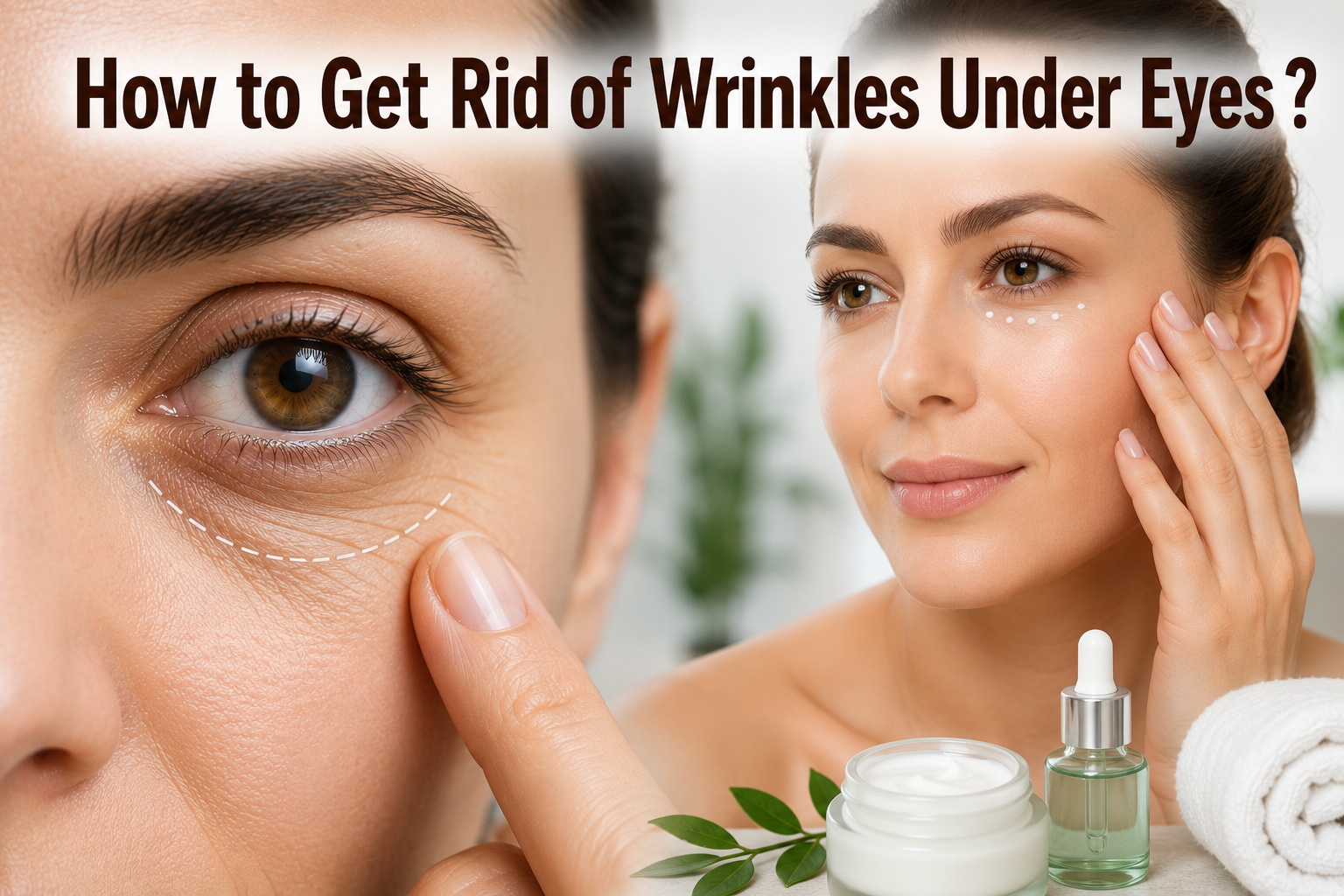
Under-eye wrinkles form when the thin, delicate skin beneath the eyes gradually loses collagen and elastin, making it less able to bounce back from daily movement, sun exposure, and the natural aging process. The good news is that this area responds well to consistent care, and there are proven ways to soften existing lines while slowing the formation of new ones.
Learning how to get rid of wrinkles under eyes starts with understanding why they appear in the first place, since the right treatment depends heavily on the underlying cause. From targeted skincare ingredients to in-office procedures, a combination approach almost always works better than relying on a single product or treatment.
This guide walks through the causes, the most effective topical and professional treatments, a practical comparison table, everyday prevention habits, and realistic expectations so you can build a routine that delivers results.
Key Takeaways
- Under-eye wrinkles are caused by a mix of collagen loss, sun damage, repeated facial movement, genetics, and lifestyle habits.
- Retinoids, vitamin C, peptides, and hyaluronic acid are the most researched topical ingredients for this area.
- In-office treatments like Botox, fillers, and laser resurfacing offer faster, more dramatic results than creams alone.
- Prevention through sleep position, hydration, and sun protection matters just as much as active treatment.
- Results are almost always gradual; dramatic overnight change is not realistic for topical products.
What Causes Under-Eye Wrinkles?
Several overlapping factors contribute to under-eye wrinkles, and most people experience more than one at the same time. Understanding which factors apply to you helps narrow down which treatments to prioritize first.
Natural Aging and Collagen Loss
As we age, the body produces less collagen and elastin, the two proteins responsible for keeping skin firm and springy. This decline speeds up noticeably after the mid-twenties and accelerates further after age forty. Because under-eye skin already has less structural support than skin elsewhere, it tends to show this collagen loss earlier and more visibly than the cheeks or forehead.
Sun Damage
Ultraviolet exposure breaks down collagen fibers over time and triggers oxidative stress in skin cells, a process dermatologists refer to as photoaging. Years of unprotected sun exposure show up disproportionately around the eyes since this skin is thinner and offers less natural defense. This is one of the few causes that is almost entirely preventable with consistent sunscreen use and protective eyewear.
Repeated Facial Expressions
Squinting, smiling, and frowning all involve the muscles around the eyes contracting thousands of times a day. Over years, this repeated movement creates permanent creases in the overlying skin, commonly known as dynamic wrinkles. People who spend long hours in bright sunlight or staring at screens without proper eye protection often notice these lines forming earlier.
Genetics and Skin Type
Family history plays a meaningful role in how early and how deeply under-eye wrinkles develop. Some people inherit naturally thinner skin, less collagen density, or a predisposition to under-eye hollowing, all of which make wrinkles more prominent regardless of lifestyle. While genetics cannot be changed, knowing your predisposition helps set realistic expectations for treatment outcomes.



Lifestyle Factors
Smoking, poor sleep, dehydration, and high sugar intake all accelerate skin aging through different biological pathways, from restricted blood flow to increased inflammation. Rubbing or tugging at the eye area, common among people with allergies or contact lens use, adds mechanical stress that speeds up wrinkle formation. Addressing these habits often produces visible improvement even before adding any new product.
Topical Treatments That Work
Topical treatments are usually the first step people try, and several ingredients have real clinical research behind them rather than just marketing claims. The sections below cover the ones worth prioritizing.
Retinoids
Retinoids, including over-the-counter retinol and prescription-strength tretinoin, are considered the gold standard for reducing fine lines because they speed up cell turnover and stimulate new collagen production. Results typically take eight to twelve weeks of consistent nightly use to become visible. Because retinoids can cause irritation on delicate under-eye skin, starting with a lower concentration two to three nights a week is generally recommended.
Vitamin C Serums
Vitamin C is a potent antioxidant that helps neutralize free radical damage from sun exposure while also supporting collagen synthesis. It works well in the morning under sunscreen, adding an extra layer of protection against the photoaging process described earlier. Many people also notice a brightening effect on under-eye discoloration alongside the anti-wrinkle benefit.
Peptide-Based Eye Creams
Peptides are short chains of amino acids that signal skin cells to produce more collagen without the irritation risk that comes with retinoids. They are considered a gentler option for sensitive under-eye skin and are often recommended for people who cannot tolerate retinol in that area. While the effect is milder than retinoids, consistent use over several months can noticeably improve skin texture.
Hyaluronic Acid
Hyaluronic acid is a hydrating ingredient capable of holding up to a thousand times its weight in water, which temporarily plumps the skin and makes fine lines less visible. It does not build new collagen the way retinoids or peptides do, but it is an excellent complement to those ingredients since it addresses the dehydration that often makes wrinkles look more pronounced. It is also one of the few active ingredients considered safe to layer with almost anything else.
Daily Sunscreen
Sunscreen is arguably the single most important step in this entire list because it prevents the ongoing collagen breakdown described under sun damage above. A broad-spectrum SPF 30 or higher, applied daily regardless of weather, protects existing collagen and preserves the results of every other treatment on this list. Skipping this step effectively undoes much of the benefit gained from retinoids, vitamin C, or in-office procedures.
Professional and In-Office Treatments
When topical products are not delivering the level of improvement someone wants, in-office treatments offer faster, more visible results, though they come with higher costs and some downtime. The following options are the most commonly used by dermatologists for this area.
Botox for Dynamic Wrinkles
Botox works by temporarily relaxing the small muscles responsible for dynamic wrinkles caused by squinting and smiling, described earlier in the causes section. It is most effective for lines that appear during movement rather than static wrinkles visible at rest. Results typically last three to four months before a repeat treatment is needed.
Dermal Fillers
Fillers, usually hyaluronic acid-based, add volume to areas that have hollowed out with age, smoothing the transition between the lower eyelid and cheek. This treatment addresses under-eye hollows and shadows rather than surface wrinkles directly, though the added volume often makes fine lines appear less pronounced. Results generally last between six and twelve months depending on the product used.
Chemical Peels
Chemical peels use controlled exfoliation to remove damaged outer skin layers, encouraging fresher, smoother skin to form underneath. Mild peels designed for the delicate eye area can improve texture and fine lines with minimal downtime. Stronger peels produce more dramatic results but require a longer recovery period and should only be performed by an experienced professional.
Laser Resurfacing
Laser treatments, such as fractional CO2 or Fraxel lasers, work by creating controlled micro-injuries that trigger the skin’s natural collagen-rebuilding response. These treatments are among the most effective for deeper, more established wrinkles and often show significant improvement after just one or two sessions. Recovery time varies from a few days to two weeks depending on the laser intensity used.
Microneedling
Microneedling uses fine needles to create tiny punctures in the skin, stimulating collagen production without the heat-based damage involved in laser treatments. It is often combined with serums like vitamin C or peptides applied immediately after the procedure to boost absorption. Multiple sessions spaced several weeks apart typically produce the best cumulative results.
Comparison Table: Treatment Options at a Glance
Note: this section replaces the standard product-pricing comparison with a treatment comparison table, adapted for this health and skincare topic.
| Treatment | Type | Typical Cost Range | Results Timeline | Best For |
| Retinoids | Topical | Low to moderate | 8–12 weeks | Fine lines, early aging |
| Vitamin C serum | Topical | Low to moderate | 4–8 weeks | Sun damage, dullness |
| Peptide eye cream | Topical | Moderate | 8–12 weeks | Sensitive skin |
| Hyaluronic acid | Topical | Low to moderate | Immediate, temporary | Dehydration, plumping |
| Botox | In-office | Moderate to high | 3–7 days | Dynamic wrinkles |
| Dermal fillers | In-office | Moderate to high | Immediate | Hollows, volume loss |
| Chemical peels | In-office | Moderate | 1–2 weeks | Texture, mild wrinkles |
| Laser resurfacing | In-office | High | 1–2 sessions | Deeper, established lines |
| Microneedling | In-office | Moderate to high | Several sessions | Overall texture and firmness |
Home Remedies and Prevention Tips
Beyond active treatments, several everyday habits meaningfully slow down how quickly under-eye wrinkles form and can extend the results of any product or procedure being used.
Sleep Position
Sleeping on your side or stomach presses the face into a pillow for hours each night, creating repeated crease patterns that eventually become permanent. Switching to back sleeping removes this mechanical pressure entirely and is one of the simplest, cost-free changes available. Silk pillowcases can also reduce friction for people who find it difficult to change sleeping position.
Hydration and Diet
Adequate water intake keeps skin cells plump and supports the barrier function that protects against environmental damage. A diet rich in antioxidants, healthy fats, and vitamin C-containing foods supports the same collagen production processes targeted by topical treatments. Reducing sugar intake is also worth considering, since it contributes to a process called glycation that stiffens and damages collagen fibers.
Sunglasses and Sun Avoidance
Wearing UV-protective sunglasses reduces both direct sun damage and the squinting that contributes to dynamic wrinkles, addressing two causes at once. Wide-brimmed hats and seeking shade during peak UV hours add another layer of protection beyond sunscreen alone. This is a low-effort habit with a disproportionately large payoff for the under-eye area specifically.
Gentle Eye Care Habits
Rubbing, tugging, or aggressively removing makeup around the eyes adds unnecessary mechanical stress to already thin skin. Using a gentle patting motion when applying products and choosing a soft, non-irritating makeup remover protects the skin barrier over time. People with allergies should also manage itching promptly, since frequent rubbing is a commonly overlooked contributor to premature wrinkling.
When to See a Dermatologist
If under-eye wrinkles are affecting your confidence, worsening despite a consistent skincare routine, or accompanied by other changes like sagging or persistent dark circles, a dermatologist visit is worth considering.
A professional can assess whether the issue is primarily volume loss, dynamic movement, sun damage, or a combination, and recommend a treatment plan matched to that specific cause rather than a generic one.
This is especially useful before investing in higher-cost procedures like fillers or laser resurfacing, since a proper diagnosis prevents wasted time and money on the wrong treatment.
Realistic Expectations: What Results Look Like
Topical treatments generally produce gradual, modest improvement over two to three months rather than dramatic transformation, and this is a normal, expected outcome rather than a sign the product is not working.
In-office treatments produce faster and more visible results but usually need to be repeated periodically to maintain the effect, since none of them stop the underlying aging process permanently. Combining prevention habits with a mix of topical and, where appropriate, professional treatments consistently produces the best long-term outcome compared to relying on any single approach.
FAQs
Can under-eye wrinkles be removed permanently? No treatment removes them permanently, since aging and collagen loss are ongoing processes; the best outcomes come from consistent maintenance rather than a one-time fix.
Do home remedies actually work? Prevention-focused habits like sun protection and better sleep position genuinely slow down wrinkle formation, though they work best alongside active treatments rather than as a replacement for them.
What is the fastest way to reduce them? In-office treatments like Botox or laser resurfacing produce the quickest visible results, while topical products take several weeks to months to show improvement.
Is it safe to use retinol near the eyes? Yes, but a lower concentration and gradual introduction is recommended since under-eye skin is thinner and more prone to irritation than the rest of the face.
Conclusion
Under-eye wrinkles develop from a combination of collagen loss, sun exposure, repeated movement, genetics, and daily habits, which means no single product works in isolation.
A layered approach, combining proven topical ingredients, sun protection, healthier lifestyle habits, and professional treatments when needed, offers the most realistic path to smoother skin.
Setting expectations around gradual improvement rather than instant results leads to better long-term satisfaction with whatever routine you choose.
Related Posts
How Long Do Dissolvable Stitches Last in Mouth?
Sudden Heel Pain Without Injury: Causes, Symptoms and Relief
Is Walking Good for Sciatica? A Complete Guide to Safe Movement and Pain Relief
Kill Tooth Pain Nerve in 3 Seconds Permanently: Is It Really Possible?