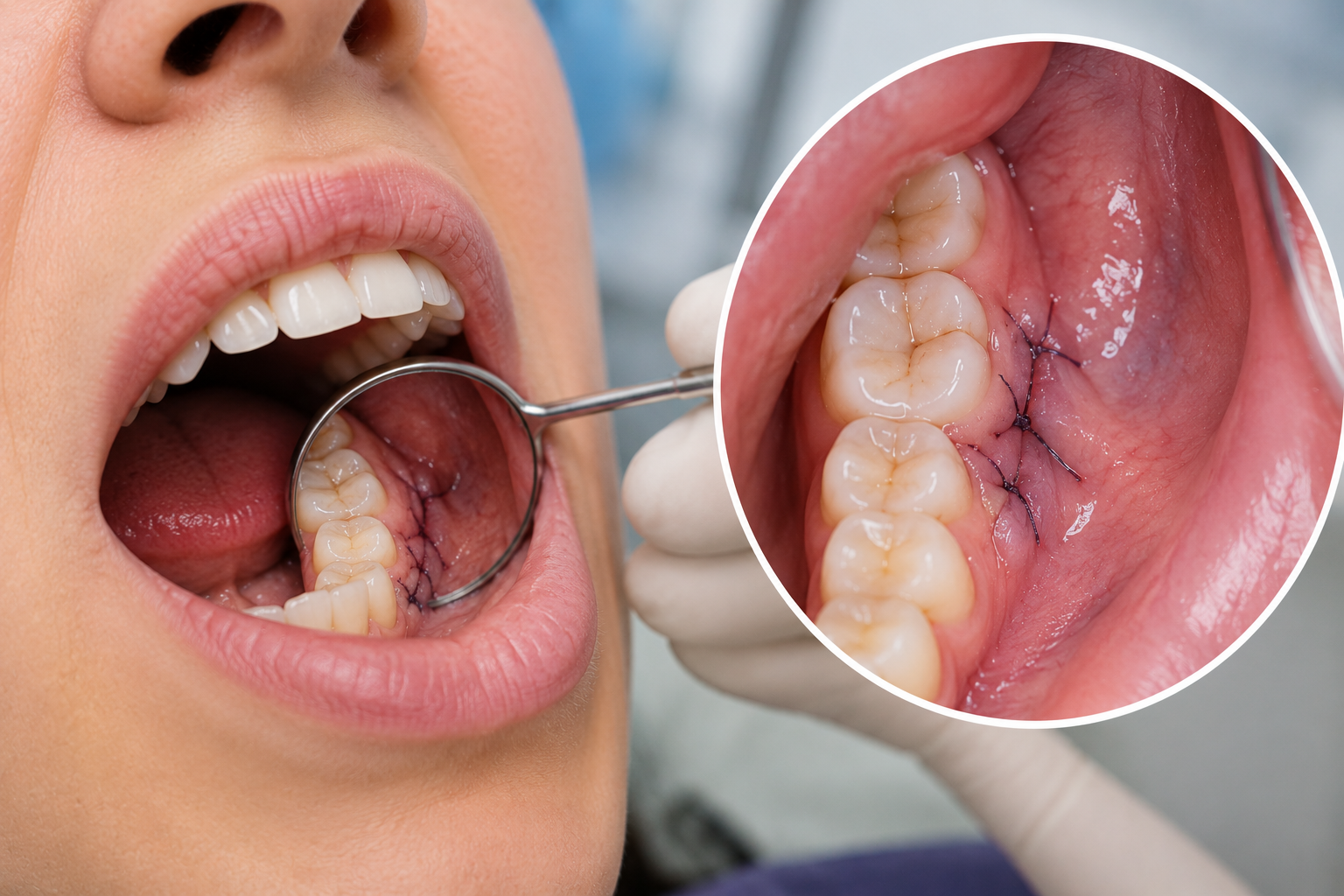
If you have recently had a tooth extraction, dental implant, or gum surgery, you are probably asking how long do dissolvable stitches last in mouth tissue before they fully break down. In most cases, dissolvable stitches placed inside the mouth begin to loosen within five to seven days and are usually gone completely within one to two weeks.
Some stronger suture materials, especially those used after deeper surgical work, can take up to three or four weeks to dissolve fully. The exact timeline depends on the type of thread used, the location of the wound, and how well the surgical site is cared for during recovery. Understanding this timeline helps you know what is normal and what might need a dentist’s attention.
Key Takeaways
- Dissolvable mouth stitches usually last between five days and two weeks.
- Some materials, like Vicryl or Monocryl, take three to four weeks in deeper wounds.
- Saliva enzymes speed up the breakdown process compared to stitches on skin.
- Small thread fragments falling out during this period are completely normal.
- Stitches still fully intact after six weeks should be checked by a dentist.
What Are Dissolvable Stitches?
Dissolvable stitches, also called absorbable sutures, are surgical threads made from natural or synthetic materials that the body gradually breaks down on its own. Inside the mouth, dentists commonly use materials such as plain gut, chromic gut, Vicryl (polyglactin), or Monocryl because these threads respond well to the warm, moist, enzyme-rich environment of oral tissue.
Unlike stitches placed on the skin, mouth stitches do not need to be manually removed, since saliva and natural enzymes work continuously to weaken the thread until it disintegrates. This makes them a convenient choice for procedures like tooth extractions, wisdom tooth removal, gum grafts, and implant placement, where reducing follow-up visits is helpful for the patient.
How Long Do Dissolvable Stitches Take to Dissolve?
The dissolving process happens in stages rather than all at once, and different suture materials break down at noticeably different speeds. Below is a general breakdown of what to expect from the most common types used in oral procedures.
Typical Dissolve Time
For most simple procedures, such as a routine tooth extraction, dissolvable stitches begin loosening within the first week and are usually fully gone by day ten to fourteen. Patients often notice small pieces coming away gradually rather than the whole stitch disappearing at once, which is a normal part of the process.
When It Takes Longer
More complex procedures, including gum surgery, bone grafting, or implant placement, often use stronger sutures designed to hold tissue together for a longer period. In these cases, it is completely normal for stitches to remain partially intact for three to four weeks while the deeper tissue continues to heal underneath.
| Suture Material | Common Use in Mouth | Average Dissolve Time |
| Plain Gut | Simple extractions | 5–7 days |
| Chromic Gut | Extractions, minor gum work | 7–10 days |
| Vicryl (Polyglactin) | Implants, gum grafts | 2–4 weeks |
| Monocryl | Deeper surgical sites | 3–4 weeks |
Factors That Affect Dissolving Time
Not every patient heals at the same pace, and several variables influence exactly how long stitches take to break down after oral surgery. Understanding these factors makes it easier to judge whether your own healing is progressing normally.



Suture Material and Procedure Type
Thicker, stronger threads used for surgically demanding procedures are engineered to last longer than lighter threads used for simple extractions. The deeper or more complex the surgical site, the longer the stitches are typically designed to remain in place before dissolving.
Oral Hygiene and Diet
Gentle brushing, prescribed rinses, and avoiding hard, crunchy, or sticky foods near the surgical site all support steady healing. Poor hygiene or repeatedly disturbing the area with chewing can either cause stitches to fall out too early or trigger irritation that slows healing down.
Individual Healing Rate
Age, overall health, smoking habits, and conditions like diabetes can all influence how quickly the body breaks down suture material. Younger, generally healthy patients tend to see faster dissolving times compared to those with slower tissue repair or underlying health conditions.
Signs Your Stitches Are Dissolving Normally
It is common to feel small, rough thread fragments with your tongue in the days following surgery, and this is simply part of the natural breakdown process. Mild tightness, slight discoloration of the thread, or the stitch gradually loosening at one end are all expected signs rather than causes for concern.
Swallowing a tiny piece of dissolved suture material is also harmless, since these materials are specifically designed to be biocompatible. As long as the surrounding gum tissue looks pink and is not increasingly swollen or painful, the healing process is likely on track.
When to Worry — Signs of a Problem
While most dissolvable stitches behave predictably, certain symptoms suggest that something beyond normal healing may be happening at the surgical site.
Signs of Infection
Increasing swelling, a persistent bad taste, pus discharge, fever, or pain that gets worse instead of better after the first few days are all signs that should not be ignored. These symptoms point toward possible infection rather than the expected discomfort of normal tissue repair.
When to Call Your Dentist
If stitches are still fully intact and unchanged after six weeks, if bleeding restarts heavily, or if you notice a foul odor from the site, it is time to contact your dentist promptly. Catching these issues early usually means a simple, quick fix rather than a more complicated follow-up procedure.
Aftercare Tips to Support Healing
Supporting the healing process starts with a few consistent daily habits rather than any single dramatic step. Gentle warm saltwater rinses, usually starting twenty-four hours after surgery, help keep the area clean without disturbing the stitches.
Brushing nearby teeth carefully while avoiding direct contact with the wound reduces the risk of pulling stitches loose too early. Sticking to soft foods for the first several days, and avoiding straws, smoking, or hard chewing near the site, also protects the healing tissue.
A few additional habits worth following include:
- Avoid touching or poking the stitches with your tongue or fingers.
- Skip alcohol-based mouthwash until your dentist approves it.
- Sleep with your head slightly elevated for the first couple of nights.
- Attend any scheduled follow-up visit even if healing feels fine.
Dissolvable vs Non-Dissolvable Stitches
Choosing between these two suture types usually comes down to the procedure itself rather than patient preference, since dentists select the material based on how the wound needs to heal.
| Feature | Dissolvable Stitches | Non-Dissolvable Stitches |
| Removal Needed | No, breaks down naturally | Yes, removed by dentist |
| Common Use | Extractions, implants, gum grafts | Certain surgical repairs |
| Healing Monitoring | Passive, minimal visits | Requires a removal appointment |
| Typical Duration | 1–4 weeks | Removed in 5–10 days |
Frequently Asked Questions
Can I pull out a loose dissolvable stitch myself? It is best not to pull on a loose stitch yourself, since this can disturb healing tissue underneath. Let it fall out naturally or ask your dentist to trim it during a check-up.
Is it normal to swallow a stitch fragment? Yes, swallowing a small dissolved fragment is harmless because the material is biocompatible and safe for the digestive system.
Do dissolvable stitches hurt when dissolving? There is usually only mild tenderness or a rough sensation, not sharp pain, as the thread breaks down over time.
What if my stitches haven’t dissolved after a month? This can happen with stronger suture materials, but if there is no improvement or you notice discomfort, a dental check-up is recommended.
Can dissolvable stitches get infected? Yes, though it is uncommon, poor oral hygiene or food debris trapped near the site can occasionally lead to infection.
Conclusion
So, how long do dissolvable stitches last in mouth tissue overall? Most patients can expect full dissolving within one to two weeks for simple procedures, and up to three or four weeks for more involved surgical work.
Paying attention to oral hygiene, eating soft foods, and watching for signs of infection all support a smooth recovery. If stitches remain unchanged well beyond the expected window, a quick visit to your dentist is the safest next step.
Related Posts
How to Tell If You Have a Broken Bone in Your Hand?
Why Are My Eyes Burning? Causes, Symptoms & Relief
How to Get Rid of Crackling Sound in Ear: 9 Proven Fixes
Can Allergies Cause Swollen Lymph Nodes?
How to Relieve Tooth Pain From Sinus Pressure: A Complete Guide