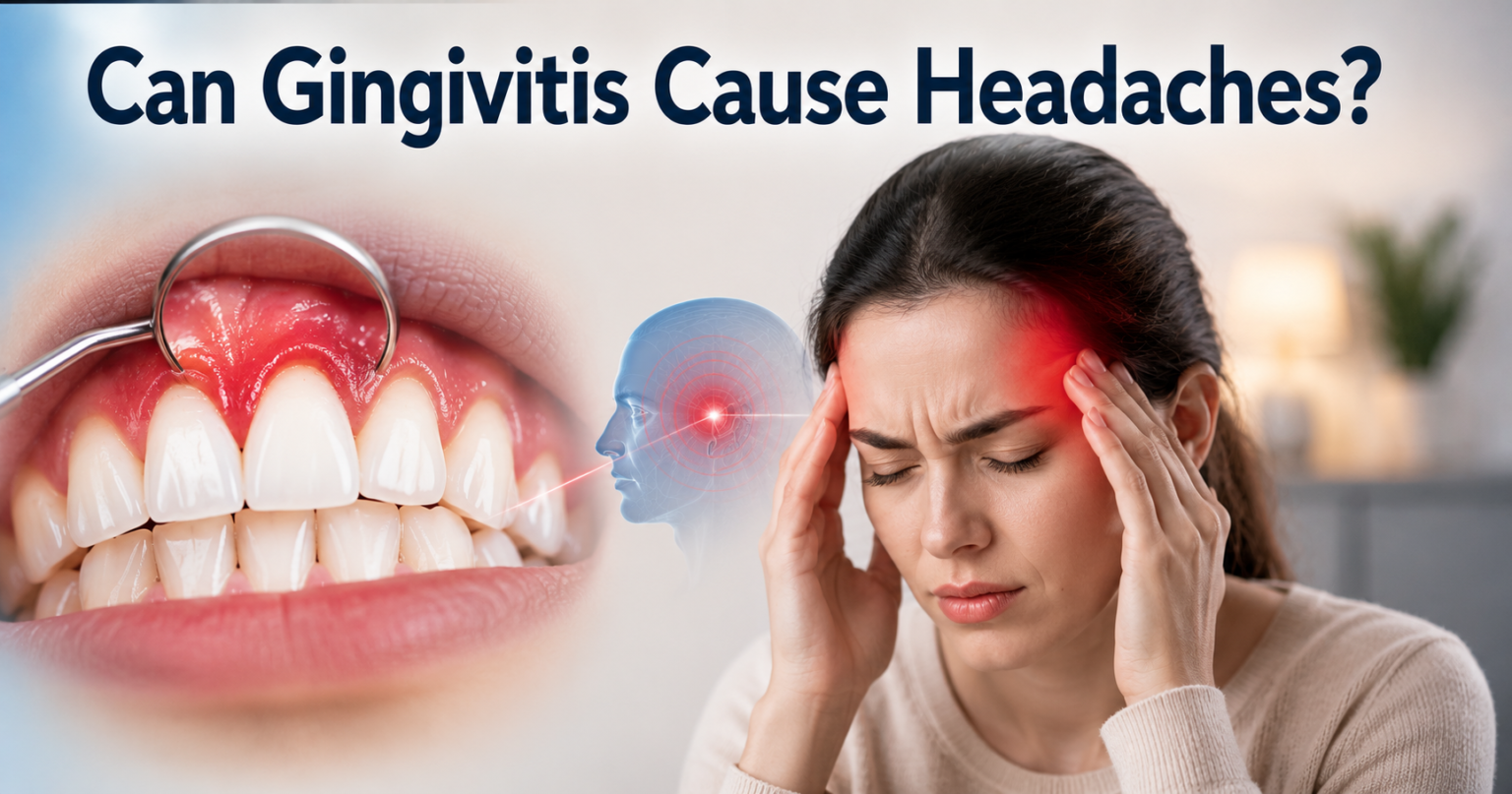
Gingivitis is often thought of as a purely dental issue, one that shows up as swollen, red gums after brushing or flossing. Yet many people who live with ongoing gum inflammation report a symptom they rarely connect to their oral health: frequent headaches.
This overlap is not a coincidence, and understanding it can save you from months of chasing the wrong treatment. The mouth is closely linked to the nerves, muscles, and sinus cavities that surround the head, which means inflammation in the gums can radiate outward in surprising ways.
In this article, we break down exactly how gingivitis can trigger headaches, what other symptoms tend to appear alongside them, and when it is time to seek professional care. By the end, you will have a clear, practical understanding of the gum-head pain connection and how to address it at the source.
What Is Gingivitis?
Before exploring the headache connection, it helps to understand what gingivitis actually is and how it develops in the mouth. This foundation makes the later sections about pain and inflammation much easier to follow.
Definition and Early Signs
Gingivitis is the earliest stage of gum disease, caused by a buildup of plaque along the gumline. It typically presents as redness, swelling, and gums that bleed easily during brushing or flossing. At this stage the condition is usually painless, which is part of why so many people ignore it until it worsens.
Common Causes of Gingivitis
The primary cause is inconsistent oral hygiene, which allows plaque and bacteria to accumulate along the teeth and gums. Other contributing factors include smoking, hormonal changes, certain medications, and underlying conditions such as diabetes. Even a few weeks of irregular brushing or flossing can be enough to trigger noticeable inflammation.
How It Differs From Periodontitis?
Gingivitis is a reversible condition that affects only the surface tissue of the gums. Periodontitis, on the other hand, is a more advanced stage where inflammation spreads to the bone and ligaments supporting the teeth. Left untreated, gingivitis can progress into periodontitis, which carries a higher risk of tooth loss and more severe systemic effects.
Can Gingivitis Really Cause Headaches?
This is the central question many people search for when they notice gum discomfort paired with an unexplained headache. The short answer is yes, though the relationship is more indirect than most people expect.


The Short Answer
Gingivitis itself does not directly attack the brain or the nerves responsible for headache pain. Instead, the inflammation it creates can affect nearby muscles, nerves, and tissues that are closely tied to common headache triggers. This makes gingivitis a contributing factor rather than a sole, isolated cause of headaches.
Why This Connection Is Often Overlooked?
Because headaches are common and have dozens of possible causes, people rarely think to check their gums first. Dental symptoms and headache symptoms are usually treated by two entirely different specialists, which further separates the two in most people’s minds. As a result, underlying gum inflammation can persist for months while headaches are managed only with painkillers.
How Gum Inflammation Leads to Headaches?
There are several physiological pathways that explain how inflamed gums can translate into head pain. Understanding each one helps clarify why gum health should never be dismissed as unrelated to how you feel overall.
Referred Pain Pathways
The nerves in the gums, jaw, and face are closely interconnected, particularly through the trigeminal nerve, which also plays a major role in headache sensation. When gum tissue becomes inflamed, pain signals can travel along shared nerve pathways and be felt in the temples or forehead instead of the mouth. This phenomenon, known as referred pain, is a key reason a dental issue can feel like a head problem.
Jaw Clenching and Muscle Tension
Gum discomfort often changes the way a person chews, bites, or rests their jaw throughout the day. This altered movement can lead to unconscious clenching or tension in the jaw muscles, especially around the temporomandibular joint. Over time, that muscle tension is a well-documented trigger for tension-type headaches.
Systemic Inflammation Response
Gingivitis is fundamentally a bacterial infection, and the body responds to it by releasing inflammatory chemicals into the bloodstream. These inflammatory markers can contribute to general fatigue, low-grade fever, and headache in some individuals. While this effect is usually mild in early gingivitis, it tends to become more pronounced as gum disease advances.
Sinus Proximity and Pressure Buildup
The roots of the upper back teeth sit close to the sinus cavities, particularly the maxillary sinuses. Infection or inflammation in this area can irritate the sinus lining and create pressure that mimics a sinus headache. This effect is more common with inflammation near the upper molars than with gingivitis affecting the lower teeth.
Symptoms That Often Appear Together
Recognizing the full symptom picture can help you connect gum issues to headaches faster. The signs below commonly show up in combination rather than in isolation.
Gum Symptoms to Watch
Typical warning signs include gums that are red, puffy, or tender to the touch, along with bleeding during brushing or flossing. Persistent bad breath and a lingering bad taste in the mouth are also common indicators of active inflammation. In more advanced cases, gums may begin to recede, exposing more of the tooth root.
Headache Patterns Linked to Oral Issues
Headaches tied to gum or jaw problems tend to be felt in the temples, around the jaw hinge, or across the forehead. They often worsen with chewing, talking for long periods, or clenching the jaw during stress or sleep. Unlike migraines, these headaches are usually dull and steady rather than sharp or throbbing.
Gingivitis-Related Headaches vs. Other Headache Types
Because several headache types share overlapping symptoms, it helps to compare them side by side. The table below outlines the key differences in triggers, pain location, and typical relief methods.
| Feature | Gingivitis-Related Headache | Tension Headache | Sinus Headache | Migraine |
| Trigger | Gum inflammation, jaw tension | Stress, muscle strain | Sinus congestion | Neurological factors |
| Pain Location | Temples, jaw, forehead | Band around the head | Forehead and cheeks | Usually one-sided, throbbing |
| Associated Signs | Bleeding or tender gums, bad breath | Neck and shoulder tightness | Nasal congestion, facial pressure | Nausea, sensitivity to light |
| Relief Approach | Dental treatment, better oral hygiene | Rest, stress management | Decongestants, hydration | Prescribed medication, rest |
When to See a Dentist or Doctor
Not every headache warrants a dental visit, but certain patterns should prompt a closer look at your oral health. Knowing when to seek professional input helps avoid both unnecessary worry and delayed treatment.
Warning Signs That Need Attention
Seek dental care if you notice bleeding gums that do not improve with better brushing habits, persistent bad breath, or gum tenderness lasting more than a week. Headaches that consistently appear alongside jaw pain or tooth sensitivity are also worth mentioning to your dentist. Swelling in the face or fever alongside these symptoms should be treated as more urgent and evaluated promptly.
Ruling Out Other Causes
Because headaches have many possible triggers, it is worth ruling out sinus infections, TMJ disorders, and dehydration before assuming gum disease is the sole cause. A doctor can help distinguish a tension headache from a migraine or sinus headache based on pain pattern and accompanying symptoms. Combining dental and medical evaluation gives the clearest picture when the cause is not obvious.
How to Prevent Gingivitis-Related Headaches?
Prevention focuses on keeping gum inflammation from developing in the first place, which removes the root trigger for these headaches. The habits below address both oral health and the muscle tension that often accompanies it.
Oral Hygiene Best Practices
Brushing twice daily with a soft-bristled brush and flossing once a day removes the plaque that leads to gum inflammation. Using an antiseptic or antibacterial mouthwash can further reduce bacteria along the gumline. Replacing your toothbrush every three months ensures it continues to clean effectively.
Managing Jaw Tension
Being mindful of jaw clenching, particularly during stressful moments or while sleeping, can reduce muscle-related headaches. A warm compress applied to the jaw area may help relax tense muscles after a long day. In persistent cases, a dentist may recommend a nightguard to prevent clenching during sleep.
Regular Dental Checkups
Routine cleanings every six months allow a dentist to catch gum inflammation before it progresses or triggers other symptoms. Professional cleaning removes tartar buildup that home brushing cannot fully address. Early intervention at this stage is far simpler than treating advanced gum disease later on.
FAQs
Can gum disease cause migraines?
Gum disease is not a direct cause of migraines, but the inflammation and muscle tension it creates can act as a trigger in people already prone to migraine attacks.
How do I know if my headache is from my teeth?
Headaches linked to dental issues typically worsen with chewing or jaw movement and are often accompanied by gum tenderness, bleeding, or tooth sensitivity.
Does treating gingivitis stop the headaches?
For many people, treating the underlying gum inflammation reduces or resolves the associated headaches, though other contributing factors should also be addressed.
Can gingivitis cause pressure behind the eyes?
If the inflammation is near the upper teeth, it can sometimes irritate nearby sinus tissue, producing a pressure sensation that extends toward the eyes.
Conclusion
Gingivitis may seem like a purely dental concern, but its effects can extend well beyond the mouth. Through referred nerve pain, jaw muscle tension, systemic inflammation, and sinus proximity, inflamed gums can genuinely contribute to headaches. Recognizing this connection allows you to address the root cause rather than only managing headache symptoms with medication.
Paying attention to gum health, alongside consistent oral hygiene and regular dental visits, can reduce both gum inflammation and the headaches that sometimes follow. Simple daily habits like brushing, flossing, and mindful jaw relaxation go a long way in preventing this cycle from starting.
Related Article’s
Knee Pain Walking Up Down Stairs: Causes & Real Fixes
How to Heal a Sprained Foot Overnight: Fast Relief Tips That Work
When Do You Start Showing in Your First Pregnancy? Guide
Can Being Sick Delay Your Period? Causes, Timeline and When to Worry