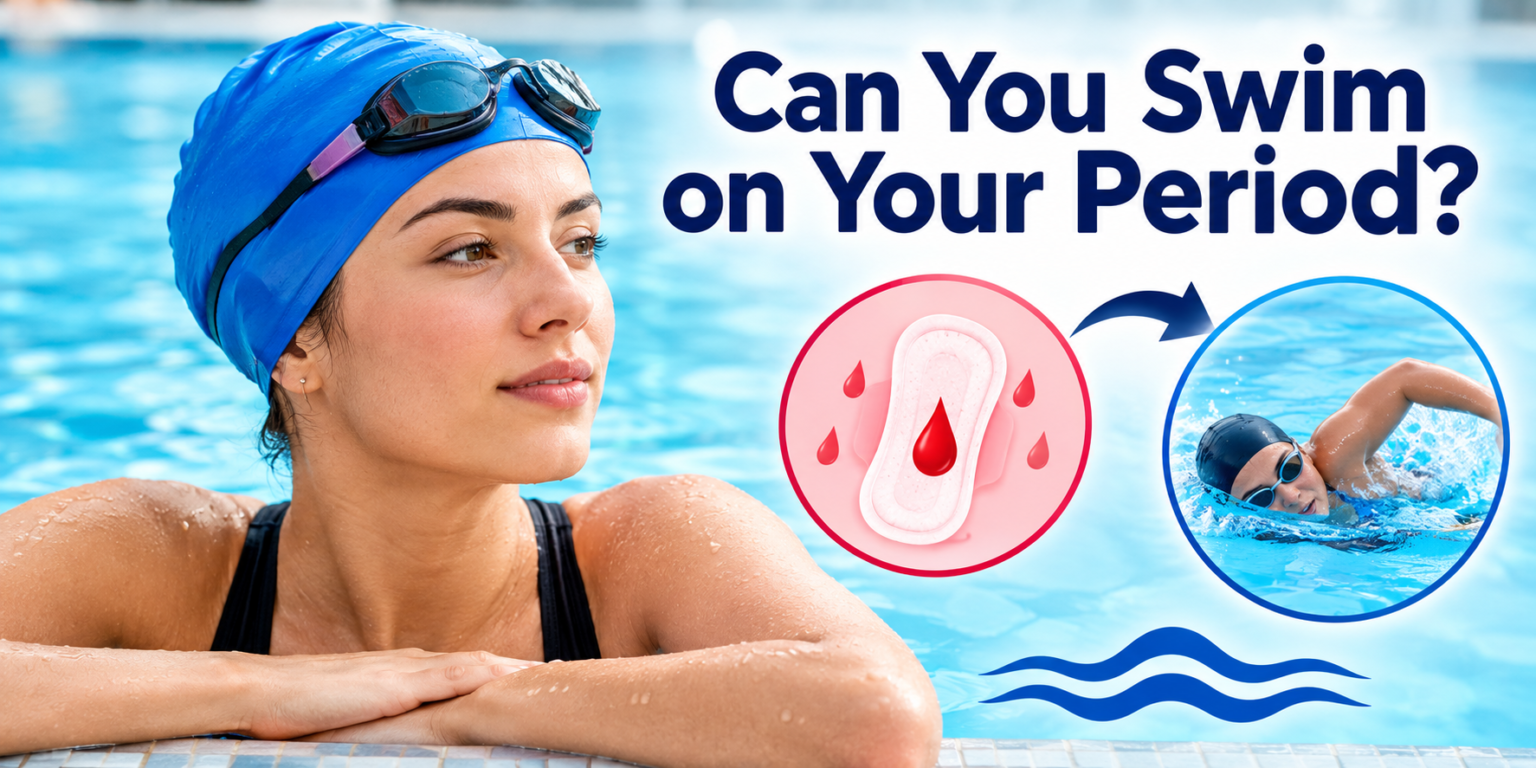
Many people wonder can you swim on your period without feeling embarrassed or uncomfortable. The good news is that swimming during your period is completely safe and does not pose any health risk.
Water pressure and the right menstrual product make it easy to enjoy a swim without visible leaks. Whether you are heading to the beach, a pool, or a lake, your period does not have to keep you on the sidelines.
This guide walks you through how water affects your flow, which products work best, and practical tips to stay comfortable. By the end, you will know exactly how to plan a stress-free swim on your period.
Is It Safe to Swim During Your Period?
Swimming on your period is medically safe for most people and does not increase the risk of infection or irritation when basic hygiene is followed.
There is no scientific reason to avoid the water simply because you are menstruating, as long as you choose a suitable period product before getting in.
How Does Water Affect Menstrual Flow?
Understanding what happens to your flow in water helps explain why swimming feels manageable during your period. The next two sections cover water pressure and why blood is rarely visible while you swim.
Water Pressure and Flow
When you are submerged in water, the surrounding pressure works against gravity and can temporarily slow the rate at which blood leaves the body. This is a physical effect rather than a change in your actual cycle, so your flow returns to normal once you step out of the pool. It is a helpful, natural phenomenon, but it should never be relied on as your only form of protection.
Why Blood Isn’t Usually Visible in Water?
Pool and ocean water are constantly moving, which dilutes any small amount of blood almost instantly and makes it very difficult to notice. Chlorinated pool water and saltwater both disperse fluid quickly, so brief exposure rarely results in a visible cloud. Even so, wearing tampons, a menstrual cup, or period swimwear gives you extra confidence and prevents any surprises when you exit the water.



Best Period Products for Swimming
Choosing the right product makes swimming during your period far more comfortable and worry-free. The following options are the most reliable choices for staying protected in the water.
Tampons
Tampons are one of the most popular choices for swimming because they sit internally and absorb flow before it has a chance to leak. Insert a fresh tampon shortly before you get in the water and change it right after you finish swimming, since a wet tampon can absorb pool or lake water. Choose an absorbency that matches your flow so you feel secure for the length of your swim.
Menstrual Cups/Discs
Menstrual cups and discs are inserted internally and collect blood rather than absorbing it, making them a reliable option for extended time in the water. They can typically be worn for several hours, so a single insertion may last through an entire swim session. Many swimmers appreciate that cups create very little waste and do not need to be changed as frequently as tampons.
Period Swimwear
Period swimwear is designed with an absorbent, leak-resistant layer built into the lining, offering light backup protection while you swim. It works well on its own for lighter flow days or as an extra layer of confidence alongside a tampon or cup. This option is especially popular for people who prefer not to use internal products.
Why Pads Don’t Work in Water?
Pads rely on absorbing fluid against dry skin and fabric, so they quickly become saturated and heavy the moment they touch water. Beyond being ineffective at containing flow, a wet pad can shift out of place and cause visible bunching under a swimsuit. For these reasons, pads should always be swapped for a water-safe alternative before you swim.
Comparison Table — Period Products for Swimming
| Product | Swim-Safe | Comfort | Change Frequency |
| Tampons | Yes | High | Every 4–8 hours |
| Menstrual Cups/Discs | Yes | High | Every 8–12 hours |
| Period Swimwear | Yes (light flow) | Moderate | Rinse after each swim |
| Pads | No | Not suitable | Not applicable |
Tips for Swimming Comfortably on Your Period
A little preparation before, during, and after your swim goes a long way toward keeping you comfortable. The sections below break this down into three simple stages.
Before You Swim
Insert your chosen product about fifteen to twenty minutes before entering the water so it has time to settle properly. Pack a spare tampon or a change of period swimwear in a waterproof bag in case you want to switch midway through the day. Taking a moment to plan ahead removes most of the worry associated with swimming on your period.
During Your Swim
Try to keep swim sessions to a reasonable length, especially if you are relying on a tampon, and avoid sitting on a pool chair for long stretches immediately after getting out. Staying relaxed and moving normally in the water will not increase leakage, so there is no need to limit your strokes or activities. If you experience cramps, gentle swimming can actually help ease discomfort by promoting blood flow.
After Swimming
Change your tampon, cup, or swimwear as soon as possible after leaving the water, since wet products lose their effectiveness quickly. Rinse period swimwear according to the care label to keep its absorbent layer working well for future use. A quick shower afterward helps you feel fresh and ready for the rest of the day.
When to Avoid Swimming on Your Period
Most people can swim safely on any day of their cycle, but it is worth pausing if you have an open wound, a skin infection, or have recently had a medical procedure that your doctor has advised against submerging in water.
Extremely heavy flow days may also feel more manageable with a short break from the water until a reliable product is in place. When in doubt, a quick check with your healthcare provider can offer peace of mind.
Frequently Asked Questions
Can you swim on your period without a tampon or cup?
It is possible for very short dips, since water pressure briefly slows flow, but a tampon, cup, or period swimwear is recommended for reliable protection.
Does chlorine affect your period or menstrual flow?
Chlorine does not change your menstrual cycle or flow; it only affects the visibility of any fluid in the water.
Can swimming reduce period cramps?
Light physical activity like swimming can ease cramps for some people by improving circulation and releasing natural pain-relieving hormones.
Is it safe to swim in the ocean during your period?
Yes, swimming in the ocean is just as safe as a pool when you use a suitable period product beforehand.
Conclusion
So, can you swim on your period? Absolutely, and with the right preparation it can feel just as comfortable as any other day. Water pressure naturally limits visible flow, while tampons, menstrual cups, and period swimwear offer dependable protection throughout your swim.
Simple habits, like changing your product promptly after getting out of the water, keep you feeling fresh and confident. With this guide, you can head to the pool, lake, or beach without hesitation, no matter where you are in your cycle.
RELATED ARTICLES
How Long After a Dentist Cleaning Can I Eat? Complete Guide
Is Collagen Safe for Fatty Liver? Guide to Glycine, NAFLD
Can Wisdom Teeth Cause Tooth Pain in Other Teeth? Causes
Can Dentists Tell If You Vape? Signs, Risks, and What Dentists Look For?