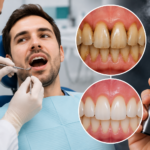
Many people wonder, How Long After a Dentist Cleaning Can I Eat? after leaving the dental office. While some patients can eat right away, others may need to wait depending on the type of cleaning and whether fluoride treatment was applied. Knowing the right time to eat can help prevent discomfort and protect your oral health.
In this article, we will discuss How Long After a Dentist Cleaning Can I Eat? and Best Foods to Eat After a Dental Cleaning so you can recover comfortably and maintain the benefits of your dental visit.
What Happens During a Professional Dental Cleaning?
A professional dental cleaning is designed to remove plaque, tartar, and surface stains that regular brushing and flossing cannot eliminate. During the procedure, a dental hygienist carefully cleans around your teeth and gum line to improve your overall oral health.
The cleaning process may include scaling to remove hardened tartar, polishing to smooth tooth surfaces, and sometimes a fluoride treatment to strengthen enamel. Because your teeth and gums have been thoroughly cleaned, they may feel more sensitive than usual immediately afterward.
How Long After a Dentist Cleaning Can I Eat?
The exact waiting time depends on the type of cleaning and any additional treatments you receive. In many cases, eating is safe right away, but there are situations where waiting is recommended.
After a Regular Dental Cleaning
If you had a standard cleaning without fluoride treatment, you can usually eat immediately after leaving the dental office. However, many dentists suggest waiting about 30 minutes if your gums feel tender or your teeth are sensitive.
Choosing softer foods during the first few hours can help minimize discomfort and prevent irritation.
After a Cleaning With Fluoride Treatment
When fluoride is applied, it needs time to bond with the enamel and provide maximum protection. Most dentists recommend waiting at least 30 minutes before eating or drinking anything.



Eating too soon may reduce the effectiveness of the fluoride treatment and limit the protection it offers against cavities.
After a Deep Dental Cleaning
A deep cleaning, also known as scaling and root planing, is more intensive than a regular cleaning. Because the procedure reaches below the gum line, the gums often require additional healing time.
Patients are usually advised to wait until any numbness wears off and to stick with soft foods for the first day or two.
Can You Eat Immediately After a Dental Cleaning?
Whether you can eat right away depends largely on your comfort level and the type of treatment performed. Most routine cleanings do not require a long waiting period.
If your teeth feel normal and no fluoride was applied, eating immediately is generally safe. However, it is wise to avoid foods that are extremely hot, cold, crunchy, or sticky during the first few hours. These foods may trigger sensitivity and cause unnecessary discomfort.
People who experience mild gum irritation after cleaning may find it more comfortable to wait a short period before eating. This gives the gums time to settle and reduces the chance of soreness while chewing.
Why Dentists Recommend Waiting Before Eating?
Dentists often suggest waiting before eating because the mouth may be temporarily more sensitive after cleaning. The reasons for waiting vary depending on the treatment received.
Protecting Fluoride Treatment
Fluoride needs time to absorb into the tooth enamel. Waiting ensures the treatment has enough time to strengthen the teeth and provide long-lasting protection against decay.
Reducing Gum Irritation
During cleaning, dental instruments work around the gum line. Some people experience mild tenderness afterward. Waiting before eating can help prevent further irritation while the gums recover.
Minimizing Tooth Sensitivity
Removing plaque and tartar exposes more of the natural tooth surface. As a result, some patients experience temporary sensitivity to hot or cold foods. Delaying meals briefly can help reduce discomfort.
Preserving Cleaning Results
Freshly cleaned teeth are free of plaque and buildup. Waiting and making healthy food choices afterward can help maintain the benefits of the cleaning for a longer period.
Best Foods to Eat After a Dental Cleaning
Choosing the right foods after your appointment can make recovery more comfortable while supporting oral health.
The following table highlights some of the best options:
| Food | Benefits |
| Yogurt | Soft texture and rich in calcium |
| Oatmeal | Gentle on sensitive teeth |
| Mashed Potatoes | Easy to chew and swallow |
| Smoothies | Nutritious and soothing |
| Scrambled Eggs | High in protein and soft texture |
| Soup | Easy to consume when warm, not hot |
| Bananas | Soft and packed with nutrients |
Soft foods are particularly beneficial if your gums feel tender. These foods require minimal chewing and are less likely to cause irritation.
In addition to soft foods, focus on nutrient-rich meals that support oral health. Calcium, vitamin D, and phosphorus help strengthen teeth and promote healthy gums.
Foods and Drinks to Avoid After a Dental Cleaning
Certain foods and beverages may increase sensitivity or interfere with healing after a dental cleaning.
It is generally best to avoid:
- Hard candies and nuts
- Crunchy chips and crackers
- Sticky caramel and chewing gum
- Very hot beverages
- Ice-cold drinks
- Citrus fruits and acidic juices
- Coffee and tea immediately after fluoride treatment
These foods can irritate sensitive gums or cause discomfort when teeth are adjusting after the cleaning.
Highly acidic foods deserve special attention because they may temporarily increase tooth sensitivity. Waiting a few hours before consuming them can make eating more comfortable.
How Long Does Tooth Sensitivity Last After a Cleaning?
Tooth sensitivity after a cleaning is usually temporary and often resolves within a few hours to several days.
The duration depends on several factors, including the amount of tartar removed, the condition of your gums, and your natural tooth sensitivity. People who have significant plaque buildup removed may notice greater sensitivity because previously covered tooth surfaces are now exposed.
Most patients experience improvement within one to three days. During this time, using a toothpaste designed for sensitive teeth can help reduce discomfort.
If sensitivity continues beyond a week or becomes severe, it is important to contact your dentist for an evaluation.
Special Instructions After a Deep Dental Cleaning
A deep cleaning requires additional aftercare because the gums need time to heal properly. Following your dentist’s instructions can help prevent complications and improve comfort.
Eating Recommendations
Soft foods are strongly recommended after a deep cleaning. Examples include yogurt, soup, scrambled eggs, mashed vegetables, and smoothies.
Avoid hard or crunchy foods that could irritate healing gum tissue.
Managing Gum Tenderness
Mild soreness is common after scaling and root planing. Rinsing with warm salt water may help soothe the gums and reduce inflammation.
Taking any medications prescribed by your dentist can also support recovery.
Supporting Healing
Staying hydrated and maintaining good oral hygiene are important for healing. Continue brushing and flossing carefully while avoiding aggressive brushing around sensitive areas.
Activities to Avoid
Smoking and tobacco use should be avoided because they can slow healing and increase the risk of gum disease. Alcohol may also irritate healing tissues and should be limited.
Tips for Faster Recovery After a Dental Cleaning
Most patients recover quickly after a dental cleaning, but a few simple habits can improve comfort and support oral health.
Drink plenty of water throughout the day. Water helps wash away food particles and keeps the mouth hydrated.
Choose soft foods if your gums feel sensitive. This reduces pressure on the teeth and allows the gums to recover more comfortably.
Brush gently using a soft-bristled toothbrush. Aggressive brushing may irritate freshly cleaned gums.
Maintain a consistent oral hygiene routine. Brushing twice daily and flossing regularly helps preserve the results of your cleaning and reduces future plaque buildup.
Avoid smoking because it can slow healing and negatively affect gum health.
When Should You Contact Your Dentist?
Some discomfort after a cleaning is normal, but certain symptoms may require professional attention.
Contact your dentist if you experience:
| Symptom | Why It Matters |
| Severe pain | May indicate an underlying issue |
| Excessive bleeding | Could signal gum complications |
| Swelling that worsens | May suggest infection |
| Sensitivity lasting over a week | Requires evaluation |
| Difficulty chewing | May indicate irritation or injury |
Prompt communication with your dental provider helps ensure any concerns are addressed before they become more serious.
Benefits of Following Post-Cleaning Eating Guidelines
Following your dentist’s recommendations after a cleaning offers several advantages. It helps protect fluoride treatments, reduces discomfort, and promotes faster healing of the gums.
Patients who make careful food choices after cleaning often experience less sensitivity and enjoy the benefits of cleaner teeth for longer periods. Proper aftercare also supports overall oral health and reduces the risk of future dental problems.
By understanding how long after a dentist cleaning can I eat, you can make informed decisions that protect your smile and maximize the value of your dental visit.
Conclusion
If you are wondering how long after a dentist cleaning can I eat, the answer depends on the type of cleaning and whether fluoride treatment was applied. Most people can eat immediately after a routine cleaning, while fluoride treatments typically require a waiting period of at least 30 minutes.
Choosing soft, nutritious foods and avoiding hard, sticky, or extremely hot and cold items can make recovery more comfortable. By following your dentist’s instructions and maintaining good oral hygiene habits, you can protect your teeth, support gum health, and enjoy the full benefits of your professional dental cleaning.
Frequently Asked Questions
How long after a dentist cleaning can I eat if fluoride was used?
Most dentists recommend waiting at least 30 minutes after fluoride treatment. This allows the fluoride to fully absorb into the enamel and provide maximum protection.
Can I drink water after a dental cleaning?
Yes, water is generally safe after a routine cleaning. If fluoride treatment was applied, follow your dentist’s instructions regarding when to drink.
Why are my teeth sensitive after a cleaning?
Sensitivity occurs because plaque and tartar removal expose more of the natural tooth surface. This sensitivity is usually temporary and improves within a few days.
What is the best food to eat after a dental cleaning?
Soft foods such as yogurt, oatmeal, scrambled eggs, mashed potatoes, and smoothies are excellent choices because they are gentle on the teeth and gums.
Can I drink coffee after a dental cleaning?
It is best to wait if fluoride treatment was applied. Coffee may also increase discomfort if your teeth are sensitive after the procedure.
Is it normal for my gums to hurt after a cleaning?
Mild soreness is common, especially if significant plaque and tartar were removed. The discomfort usually improves within a few days.
Can I brush my teeth after a dental cleaning?
Yes, you should continue brushing and flossing as directed by your dentist. Use gentle motions and a soft-bristled toothbrush if your gums feel sensitive.
Related Posts
15 Health Benefits of Soursop Leaves: Nutrition, Uses, Tea Recipe, and Safety Guide
ESG Regulations Food Sector: Complete Guide to Compliance, Sustainability, and Reporting
Rupa Health Labs: Complete Guide to Features, Testing Services, and Healthcare Innovation
Vege Health Foods: Complete Guide to Products, Benefits, Quality, and Plant-Based Living
Can an Ear Infection Cause Head Pain? Complete Detailed Guide