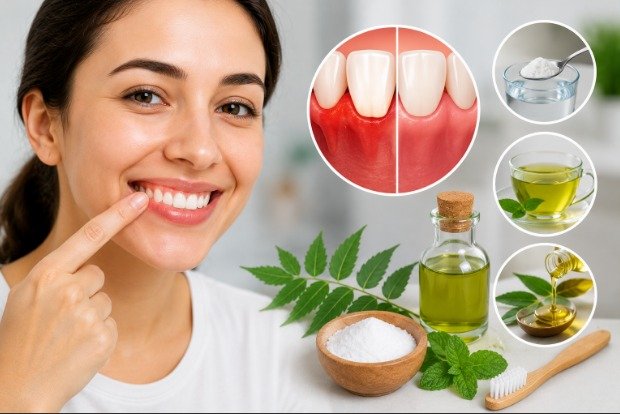
Gum disease is a common oral health issue that begins with symptoms like bleeding gums, bad breath, and swelling. Many people search for how to cure gum disease without a dentist to find simple ways to manage it at home.
In early stages, good oral care and healthy habits can help improve gum health, but understanding the condition is very important.
In this article, we will discuss What Is Gum Disease and What Causes It? and Can Gum Disease Be Treated at Home?
What Is Gum Disease and What Causes It?
Gum disease is an infection and inflammation of the tissues that support the teeth. It develops when plaque, a sticky layer of bacteria, builds up around the gum line. If plaque is not removed regularly, it can harden into tartar and lead to infection.
There are two main stages:
| Stage | Description | Can It Improve at Home? |
| Gingivitis | Early gum inflammation with redness and bleeding | Yes, in many cases |
| Periodontitis | Advanced gum disease affecting bone and tissues | No, professional care is needed |
Common causes include:
- Poor brushing and flossing habits.
- Smoking or chewing tobacco.
- Excessive sugar consumption.
- Diabetes and certain medical conditions.
- Dry mouth.
- Hormonal changes.
- Stress and weakened immunity.
Can Gum Disease Be Treated at Home?
People searching for how to cure gum disease without a dentist should understand that home treatment mainly works for mild gingivitis. Once gum disease becomes severe, home remedies alone cannot remove tartar beneath the gums.
Home care can help:



- Reduce inflammation.
- Control bacterial growth.
- Improve gum health.
- Prevent disease from worsening.
Home care cannot:
- Remove hardened tartar.
- Reverse bone loss.
- Treat deep pockets around teeth.
- Save severely damaged gums without professional treatment.
Therefore, the earlier you start caring for your gums, the better the chances of recovery.
Common Signs and Symptoms of Gum Disease
Symptoms often develop slowly, and many people ignore them until the condition becomes serious.
Common warning signs include:
- Red or swollen gums.
- Bleeding while brushing or flossing.
- Persistent bad breath.
- Sensitive teeth.
- Receding gums.
- Pain while chewing.
- Loose teeth in severe cases.
The following table shows the severity of symptoms:
| Symptom | Mild Stage | Advanced Stage |
| Bleeding gums | Common | Frequent |
| Bad breath | Mild | Persistent |
| Gum recession | Rare | Common |
| Loose teeth | No | Yes |
| Pain while chewing | Slight | Severe |
Persistent symptoms should never be ignored because they may indicate periodontitis.
Daily Oral Hygiene Habits for Healthier Gums
Proper oral hygiene is the foundation of gum healing. Even the best home remedies cannot replace daily cleaning.
Brushing Correctly
Dentists recommend brushing twice daily for at least two minutes with a soft-bristled toothbrush. Gentle circular motions are better than aggressive scrubbing.
Flossing Daily
Brushing alone cannot clean between teeth. Flossing removes plaque and food particles from hard-to-reach areas.
Cleaning the Tongue
The tongue harbors bacteria that contribute to bad breath and infections. Using a tongue scraper or brushing the tongue daily helps improve oral hygiene.
Replacing Your Toothbrush
A worn-out toothbrush becomes less effective. Replace it every three months or sooner if bristles become damaged.
Natural Remedies for Early Gum Disease
Several home remedies may help reduce inflammation and support healthy gums. Bellow we will discuss some natural remedies.
- Salt Water Rinse: Salt water is one of the simplest remedies. It creates an environment that makes it difficult for harmful bacteria to thrive. Rinsing with warm salt water two or three times daily may reduce swelling and discomfort.
- Oil Pulling: Oil pulling with coconut oil has become popular because of its antibacterial properties. Swishing one tablespoon for about fifteen minutes may help reduce plaque buildup.
- Aloe Vera: Aloe vera contains natural anti-inflammatory compounds that may soothe irritated gums.
- Green Tea: Green tea contains antioxidants that help reduce inflammation and support healthy gums. Drinking one or two cups daily may provide additional benefits.
- Antibacterial Mouthwash: Therapeutic mouthwashes may help control bacteria, although they should complement—not replace—brushing and flossing.
Best Foods and Vitamins for Gum Healing
Nutrition plays a major role in gum health. Certain nutrients help strengthen tissues and reduce inflammation.
Vitamin C
Vitamin C supports collagen production and healthy gums.
Good sources include:
- Oranges
- Strawberries
- Kiwi
- Bell peppers
- Broccoli
Calcium
Calcium strengthens teeth and bones.
Excellent sources include:
- Milk
- Cheese
- Yogurt
- Almonds
- Leafy greens
Vitamin D
Vitamin D improves calcium absorption and supports the immune system.
Sources include:
- Eggs
- Fatty fish
- Sunlight exposure
- Fortified dairy products
Anti-Inflammatory Foods
These foods may help reduce gum inflammation:
- Green tea
- Turmeric
- Fish rich in omega-3 fatty acids
- Nuts
- Fresh fruits and vegetables
Reducing sugary drinks and processed foods can also prevent bacterial growth.
Lifestyle Changes That Support Gum Health
Healing gum disease requires more than brushing and mouthwash. Certain lifestyle habits significantly influence oral health.
Quit Smoking
Smoking is one of the biggest risk factors for gum disease. It reduces blood flow to the gums and slows healing. People who stop smoking often experience noticeable improvements in oral health.
Stay Hydrated
Water helps wash away food particles and bacteria. It also stimulates saliva production, which naturally protects teeth and gums.
Manage Stress
Stress weakens the immune system, making it harder for the body to fight infections. Relaxation techniques and regular exercise may help improve overall health.
Sleep Well
Poor sleep affects immune function and may contribute to chronic inflammation. Adults should aim for seven to nine hours of sleep each night.
Mistakes That Can Make Gum Disease Worse
Many people unknowingly worsen their gum condition through bad habits.
Some common mistakes include:
- Brushing too aggressively.
- Skipping flossing.
- Smoking cigarettes or using tobacco.
- Eating excessive sugar.
- Ignoring bleeding gums.
- Using home remedies while neglecting daily oral hygiene.
- Waiting too long before seeking treatment.
Remember, natural remedies work best when combined with consistent oral care.
How Long Does It Take for Gums to Heal Naturally?
The healing process varies from person to person.
| Condition | Healing Time |
| Mild gingivitis | 1–2 weeks |
| Moderate inflammation | 2–4 weeks |
| Severe periodontitis | Professional treatment required |
With proper brushing, flossing, and healthy eating, early gum inflammation often improves within two weeks.
Signs of healing include:
- Less bleeding.
- Reduced swelling.
- Fresher breath.
- Healthier pink gums.
- Less sensitivity.
Consistency is the key to success.
Warning Signs That Require Professional Dental Care
Although many people search for how to cure gum disease without a dentist, certain symptoms should never be ignored.
Seek professional treatment if you notice:
- Loose teeth.
- Severe pain.
- Pus around the gums.
- Receding gums.
- Difficulty chewing.
- Persistent bleeding.
- Bad breath that does not improve.
- Symptoms lasting more than two weeks despite home care.
These signs may indicate advanced periodontitis, which requires deep cleaning and specialized treatment.
How to Prevent Gum Disease from Coming Back
Prevention is easier than treatment. Maintaining healthy habits every day greatly reduces the risk of recurrence.
Follow these simple practices:
| Healthy Habit | Benefit |
| Brush twice daily | Removes plaque |
| Floss every day | Cleans between teeth |
| Drink plenty of water | Supports saliva production |
| Eat nutrient-rich foods | Strengthens gums |
| Avoid smoking | Improves healing |
| Limit sugary foods | Reduces bacterial growth |
| Replace toothbrush regularly | Maintains effective cleaning |
Building these habits into your daily routine can protect your teeth and gums for years to come.
FAQS
Can dehydration make gum disease worse?
Yes, dehydration reduces saliva production, allowing bacteria to multiply more easily and increasing the risk of gum inflammation and bad breath.
Is hydrogen peroxide safe for gum disease?
Diluted hydrogen peroxide may help reduce bacteria, but frequent or improper use can irritate gums. It should be used cautiously.
Can stress contribute to gum problems?
Yes, chronic stress may weaken the immune system and make it harder for the body to fight gum infections.
Are electric toothbrushes better for gum health?
Electric toothbrushes can remove plaque effectively and may help people maintain better oral hygiene habits.
Can certain medications affect gum health?
Yes, some medications can cause dry mouth or gum overgrowth, increasing the risk of gum disease.
Does age increase the risk of gum disease?
Older adults may have a higher risk due to years of plaque buildup and other health conditions.
Can gum disease spread to other teeth?
Yes, untreated gum disease can gradually affect surrounding gums and multiple teeth over time.
Conclusion
If you are wondering how to cure gum disease without a dentist, the answer depends on the stage of the disease. Early gum disease, or gingivitis, often improves through consistent oral hygiene, natural remedies, healthy nutrition, and positive lifestyle changes. Brushing, flossing, salt water rinses, and eating nutrient-rich foods can all support gum healing.
However, advanced gum disease cannot be fully cured at home. Persistent symptoms such as loose teeth, severe pain, or receding gums require professional attention. Taking action early gives you the best chance of restoring healthy gums and maintaining a strong smile for the future.
Related posts
15 Health Benefits of Soursop Leaves: Nutrition, Uses, Tea Recipe, and Safety Guide
Can root canals cause cancer? What the science actually says
Heart Home Health Care: Complete Guide to Services, Care Process, and Benefits
Can I Workout With Stitches on My Head? Complete Guide
Lower Back Pain and Heart Attacks: Signs, Symptoms, Causes, and When to Seek Help