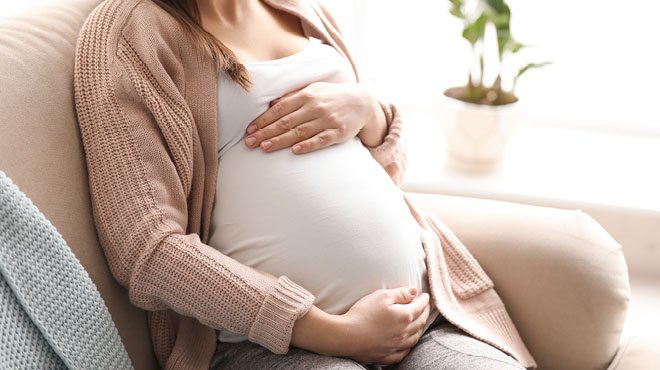
If you’re watching your belly every morning wondering ‘when will I start showing?‘ — you’re not alone. It’s one of the most googled pregnancy questions, and the answer is different for every person.
For most people, a visible baby bump appears somewhere between weeks 12 and 20. But your body type, muscle tone, uterus position, and whether you’ve been pregnant before all influence the exact timing. Showing earlier or later than others is completely normal.
In this guide, you’ll get a clear week-by-week baby bump timeline, the top reasons some women show early or late, how to tell bloating from a real bump, and the signs that warrant a call to your doctor.
Bloating vs. Baby Bump: How to Tell the Difference
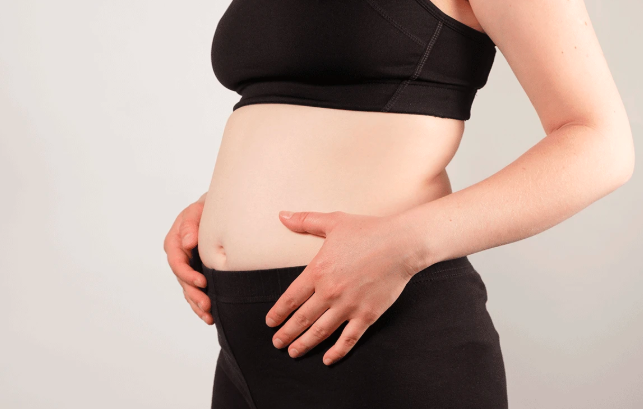
In early pregnancy, it can be genuinely hard to tell whether that fuller belly is a real bump or just bloating. Here’s the key difference:
Baby Bump
A true baby bump is firm to the touch because it forms from your growing uterus rising above the pelvis. It typically becomes noticeable after weeks 12–16, stays consistent throughout the day, and gradually becomes larger and more defined over time.
Bloating
Bloating feels soft and squishy — caused by gas and digestive changes triggered by pregnancy hormones. It can come and go throughout the day, often worse in the evening, and may be accompanied by discomfort or a gassy feeling. Unlike a baby bump, it has no firm or defined shape.
| Feature | Baby Bump | Bloating |
| Feel | Firm, rounded | Soft, squishy |
| Consistency | Present all day | Fluctuates |
| Time of day | Same morning and evening | Often worse by evening |
| Progression | Grows steadily week to week | Temporary, reduces with digestion |
| First appears | After 12–16 weeks | Can start in week 4–6 |
Pregnancy Belly Timeline (Week-by-Week Breakdown)

Pregnancy belly growth happens in stages, and each phase looks different depending on how your body changes over time. Here’s what to expect at each stage:
Weeks 1–12 (First Trimester)
Your uterus is still small and stays within your pelvis, so there’s no visible bump during this stage. You may feel noticeably bloated — especially in the evenings — but this is hormonal, not your baby growing outward. The major changes during this phase are all happening internally.



Weeks 13–20 (Early Showing Stage)
This is when most people notice their first real bump as the uterus rises above the pelvic bone. Your waistband starts to feel snug, and in fitted clothing the lower belly takes on a subtle curve. First-time mothers often notice this closer to week 16–20, while those who’ve been pregnant before may see it as early as week 13.
Weeks 21–28 (Noticeable Bump)
By now, there’s no question — your pregnancy is visible to others. The belly is rounded, defined, and steadily growing. Your center of gravity shifts during this phase, and you may start to feel your baby’s movements more consistently.
Weeks 29–40 (Full Growth Stage)
The final stretch — your bump grows significantly as your baby reaches full size. The belly is obvious in all clothing and continues to grow and shift until delivery. Many women notice the bump drops lower in the final few weeks as the baby engages with the pelvis.
When Do You Start Showing in First Pregnancy?
In a first pregnancy, the baby bump usually becomes visible a bit later because the abdominal muscles are tighter and have not stretched before.
Most people begin to notice a clear bump between 12 and 18 weeks, but it often becomes more defined closer to the 16 to 20-week stage. Early changes may be subtle and easy to overlook, especially in the beginning.
As the uterus gradually expands, the belly starts to take on a more rounded shape. This slower progression is completely normal and reflects how the body adjusts for the first time.
Signs You’re About to Start Showing

Watch for these early signals that your bump is on its way:
- Clothes feel tight around the waist: Your regular pants or skirts start to feel snug — even before a visible bump appears.
- Your waistline begins to disappear: The natural definition between your waist and hips starts to soften and round out.
- Lower belly feels firmer: Unlike the soft feel of bloating, this firmness comes from your uterus beginning to rise.
- Gradual weight gain: Early pregnancy weight gain (typically 1–4 lbs in the first trimester) adds fullness to the lower abdomen.
- Clothes gap at the back: Even if the front doesn’t look different yet, waistbands and belts may start to feel tighter or sit differently.
Why Do Some Women Show Early?
Some women notice their baby bump earlier than others due to specific physical and pregnancy-related reasons. Below, we’ll look at the key factors that explain why this happens.
Previous pregnancies
If you’ve been pregnant before, your abdominal muscles and uterine ligaments have already been stretched. This means they offer less resistance the second time around — your uterus expands outward sooner, and the bump can appear weeks earlier than in a first pregnancy.
Carrying twins
A twin or multiple pregnancy causes the uterus to grow significantly faster. The additional size leads to earlier and more pronounced showing — often noticeable by weeks 10–12. Note: an early bump alone doesn’t confirm twins; only an ultrasound can do that.
Weaker abdominal muscles
Less toned core muscles offer less resistance to the expanding uterus, allowing the belly to protrude outward earlier. This is common in women who have had previous pregnancies or certain postural conditions.
Body shape (short torso)
If you have a shorter torso, there’s less vertical space for your uterus to grow upward — so it pushes outward earlier. Women with short torsos often show noticeably sooner than those with longer frames.
Why Do Some Women Show Late in Pregnancy?

Some women may notice their baby bump later than others due to certain physical characteristics and pregnancy conditions. Below, we’ll discuss the main reasons behind delayed showing.
Stronger or tighter abdominal muscles
Women with firm, well-toned core muscles naturally hold the uterus inward longer, keeping the belly flatter in early pregnancy. Regular exercise before and during pregnancy often contributes to delayed showing — this is a sign of core strength, not slow fetal growth.
First-time pregnancy
As covered above, your body is adjusting to uterine expansion for the first time, which is a slower process. Everything is working correctly — it’s simply your body’s natural first-time response.
Long torso
A longer torso gives your uterus more vertical room to grow upward before it pushes outward. This delays the outward appearance of a bump and is completely normal.
Retroverted uterus
A retroverted uterus tilts toward the spine rather than forward. In early pregnancy, this backward tilt means the uterus grows toward the back before shifting forward, which can delay the visible bump. By the second trimester, the uterus naturally corrects position in most cases.
Factors That Affect When You Start Showing
Here’s a quick-reference summary of how each factor influences your bump timing:
| Factor | Shows Earlier If… | Shows Later If… |
| Body Weight / BMI | Lower body fat | Higher body fat (may conceal bump) |
| Torso Length | Shorter torso | Longer torso |
| Genetics | Family history of early showing | Family history of late showing |
| Uterus Position | Forward-tilting uterus | Retroverted (backward-tilting) uterus |
| Number of Babies | Twins or multiples | Single pregnancy |
| Muscle Tone | Weaker abdominal muscles | Stronger, well-toned core |
| Prior Pregnancies | Second or later pregnancy | First pregnancy |
When to Worry If You’re Not Showing Yet?
Variation in showing is normal across different body types — but there are specific situations where you should contact your healthcare provider:
No visible bump or measurable uterine growth by week 20–24: Your midwife or OB typically measures fundal height (the distance from pubic bone to the top of the uterus) at prenatal visits. If fundal height measurements fall consistently below the expected range, further evaluation may be recommended.
Your bump appears to shrink or decrease in size: A belly that visibly reduces in size between appointments may indicate reduced amniotic fluid or fetal growth restriction and should be evaluated promptly.
Sudden disappearance of pregnancy symptoms: Loss of nausea, breast tenderness, or other symptoms in early pregnancy, combined with no visible growth, warrants a call to your provider.
Reduced fetal movement after week 24: If you notice a significant decrease in kicks or movement, contact your provider the same day.
Note: Variations in showing are normal and the absence of a visible bump alone — particularly before week 20 — is rarely a cause for concern. Always discuss questions at your scheduled prenatal visits.
When to See a Doctor?

Seek immediate medical care if you experience any of the following symptoms, as they may require prompt evaluation:
- Vaginal bleeding or spotting: This can indicate a potential complication and should always be checked to ensure the pregnancy is progressing safely.
- Severe abdominal pain or cramping: Intense or persistent pain may signal an underlying issue that needs urgent medical attention.
- Persistent vomiting or fever: Ongoing vomiting or a high temperature can lead to dehydration or infection, which may affect both mother and baby.
- Sudden swelling in hands, face, or feet: Rapid or unusual swelling can be a warning sign of conditions that require monitoring and treatment.
- A decrease in baby’s movement: Reduced fetal movement may indicate distress and should be evaluated as soon as possible.
Frequently Asked Questions
Does showing early mean you’re having a big baby?
Not necessarily. Early showing is usually related to body type, muscle tone, or previous pregnancies—not the baby’s size.
Can exercise delay when you start showing?
Strong abdominal muscles from regular exercise may make your bump appear later because they hold the uterus more tightly.
Do tight clothes make your bump show earlier?
Tight clothing can make even a small bump or bloating more visible compared to loose outfits.
Do hormonal changes impact when your bump appears?
Hormones play a role in bloating and fluid retention, which can affect how early your belly looks different.
Do pregnancy symptoms appear before you start showing?
Yes, symptoms like nausea, fatigue, and breast tenderness usually appear well before a visible bump.
Can twins always be detected by an early bump?
Not always. While twins may cause earlier showing, confirmation is only possible through an ultrasound.
Conclusion
There’s no single ‘right time’ to start showing in pregnancy — and that’s perfectly normal. Your bump timeline is shaped by factors unique to your body: your torso length, muscle tone, uterus position, how many pregnancies you’ve had, and how many babies you’re carrying.
Most first-time mothers notice a clear bump between weeks 12–20, while those in subsequent pregnancies often show earlier. Before a true bump appears, bloating in the first trimester can make your belly look fuller than usual — and that’s just hormones doing their job.
The most important thing to track isn’t whether your bump looks like someone else’s — it’s whether your prenatal measurements and baby’s growth are on track at your regular appointments. If you’re ever unsure about your bump size or growth progression, your healthcare provider is your best resource.
Related Articles
Vege Health Foods: Complete Guide to Products, Benefits, Quality, and Plant-Based Living
Asbury Health and Rehabilitation Center: Services, Rehabilitation Programs, and Patient Care Guide
Mental Health Retreat Covered by Insurance: Complete Guide to Coverage, Costs, and Approval
Can I Workout With Stitches on My Head? Complete Guide
Can an Ear Infection Cause Head Pain? Complete Detailed Guide