

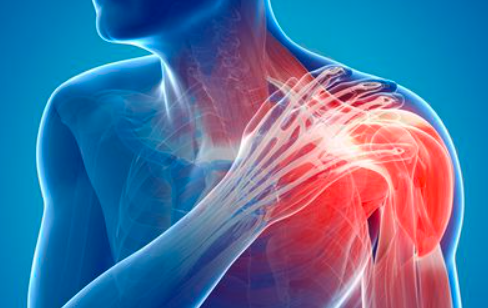
Yes — shoulder pain can be a sign of a heart attack. While most people expect a heart attack to feel like crushing chest pain, the reality is that heart attacks often announce themselves in far less obvious ways. Shoulder pain — on the left side, the right side, or both — is one of the most commonly missed warning signs.
This guide explains exactly how heart attack pain travels to the shoulder, how to tell it apart from a pulled muscle or injury, what other symptoms to watch for, and what you should do if you suspect your shoulder pain is cardiac in nature.
How Does a Heart Attack Cause Shoulder Pain?
When a heart attack occurs, the heart muscle is starved of oxygen. The pain signals sent by the dying heart muscle travel through a network of nerves that share pathways with the nerves serving the shoulder, neck, jaw, and arm. This creates a phenomenon known as referred pain — where your brain receives a pain signal but misidentifies where it is coming from.
The technical reason: the phrenic nerve and cardiac branches of the vagus nerve share spinal cord segments (C3–C5 and T1–T4) with nerves that supply the shoulder and upper arm. The brain, receiving signals from overlapping pathways, can interpret cardiac distress as shoulder pain.
Left Shoulder Pain and Heart Attack

Left shoulder pain is not just a muscle issue — it can also be a serious warning sign of a heart attack.
Why Left Side is Most Common
The nerves of the heart and the left shoulder pass through the same point in the spinal cord, which causes the brain to interpret both signals as one. This phenomenon is called “referred pain” — the actual source is the heart, but the pain is felt in the left shoulder.
What the Pain Feels Like
The pain is typically dull, heavy, and pressing — like something is sitting on your chest — and can radiate down the left arm or up to the jaw. It comes on suddenly, intensifies within minutes, and does not go away with rest.
Difference in Men vs Women
Men experience classic symptoms such as intense chest pain and radiating pain toward the left shoulder, which are relatively easy to recognize. Women often have less obvious symptoms — instead of chest pain, they may feel nausea, fatigue, or a mild ache in the jaw, which is frequently overlooked or misdiagnosed.



Right Shoulder Pain and Heart Attack
Right shoulder pain is rarely discussed in the context of heart attacks, but dismissing it as a simple muscle issue can be a life-threatening mistake — especially when other symptoms are present.
- Why Right-Side Pain is Underreported: Most people — and even some clinicians — associate heart attack pain exclusively with the left side, so right-sided symptoms are often dismissed as muscle strain or poor posture. This assumption causes delays in diagnosis, making right-side cardiac pain one of the most underreported warning signs.
- Right Shoulder Pain vs Gallbladder Pain: Gallbladder pain typically radiates to the right shoulder after a fatty meal and comes with nausea or bloating, while cardiac pain is more pressure-like and not food-related. If the right shoulder pain is accompanied by chest tightness, sweating, or shortness of breath — gallbladder is not the answer.
- When to Treat Right Shoulder Pain as an Emergency: Right shoulder pain becomes an emergency when it appears suddenly with no physical cause and is paired with chest discomfort, jaw pain, or unusual fatigue. Do not wait to see if it passes — these combined symptoms require immediate medical attention, regardless of which side the pain is on.
How to Tell if Shoulder Pain is Heart-Related
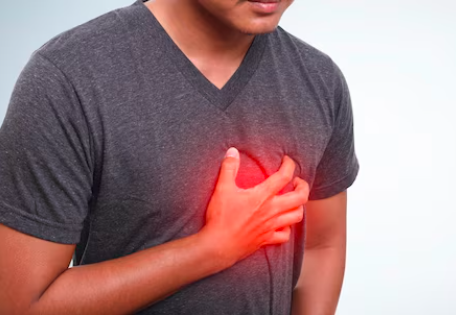
Not every shoulder pain means a heart attack, but when the pain appears without cause, spreads beyond the shoulder, and comes with symptoms like chest pressure or cold sweats, it stops being a muscle problem and starts being a medical emergency that demands immediate attention.
It Comes Without a Physical Cause
Heart-related shoulder pain appears suddenly with no history of injury, heavy lifting, or physical strain that could explain it. If you cannot trace the pain back to any physical activity, that absence of cause is itself a warning sign.
It Does Not Stay in One Place
Cardiac shoulder pain does not sit still — it typically travels from the chest to the shoulder, arm, neck, or jaw in a spreading pattern. This radiating quality is what separates heart-related pain from a pulled muscle, which stays localized and worsens only with movement.
It Comes With Other Symptoms
Shoulder pain paired with chest pressure, shortness of breath, cold sweats, or sudden dizziness strongly points to a cardiac cause. These accompanying symptoms are the clearest signal that the pain is not muscular — and that immediate medical attention is needed.
It Does Not Improve With Rest or Position Change
Muscle pain typically eases when you stop moving or shift position, but heart-related pain persists regardless of what you do. If resting, stretching, or changing posture brings no relief, the pain is likely coming from inside — not from the shoulder itself.
Other Symptoms That Appear With Shoulder Pain During a Heart Attack
Shoulder pain alone is rarely the whole story — the body sends multiple signals at once, and recognizing them together is what saves lives.
- Chest Pressure or Tightness: The most common companion to shoulder pain is a heavy, squeezing pressure in the center of the chest — not a sharp stab, but a persistent crushing weight. Many patients describe it as someone sitting on their chest, and it does not shift or ease with breathing or movement.
- Shortness of Breath: The heart struggling to pump properly causes the lungs to work harder, leading to sudden breathlessness even without any physical exertion. This is not mild breathlessness from walking fast — it is an unexpected inability to catch your breath while sitting or resting.
- Cold Sweats and Clammy Skin: The body triggers an emergency stress response during a cardiac event, causing sudden cold, drenching sweat that has nothing to do with heat or physical activity. The skin often turns pale or grey alongside it, which is a visible sign that the body is under serious internal distress.
- Nausea or Vomiting: The heart and the stomach share nerve pathways, so cardiac distress frequently triggers a wave of nausea that feels similar to food poisoning or indigestion. This symptom is especially common in women and is one of the most frequently misread signs of a heart attack.
- Extreme Fatigue: A sudden, overwhelming exhaustion — especially in the days leading up to a heart attack — is the body signaling that the heart is under severe strain. This is not ordinary tiredness from a long day; it is a deep, unexplained fatigue that sleep does not fix.
Risk Factors That Raise Your Concern Level

Shoulder pain means something very different in a healthy 25-year-old versus someone carrying multiple cardiac risk factors — context changes everything.
- Age: Men over 45 and women over 55 are at significantly higher risk, and any unexplained shoulder pain in these groups should never be dismissed.
- Pressure: Uncontrolled high blood pressure gradually damages arterial walls over time, making a cardiac event increasingly likely with every unmanaged year.
- Cholesterol:Excess cholesterol narrows arteries silently over decades, and by the time symptoms appear, the blockage is often already dangerously advanced.
- Diabetes: Diabetes masks typical chest pain by damaging nerves, making shoulder or jaw pain the only visible symptom of an ongoing cardiac event.
- Smoking: Smoking keeps arteries in a constant state of inflammation and accelerates clot formation, compressing the timeline for a cardiac event significantly.
- Genetics: A parent or sibling with a heart attack before age 60 lowers your personal risk threshold — your body may follow the same pattern.
What to Do if You Think Your Shoulder Pain Is a Heart Attack
When cardiac symptoms appear, every second of hesitation increases the damage — knowing exactly what to do before it happens can be the difference between life and death.
Call Emergency Services Immediately
Do not drive yourself or wait to see if the pain passes — call emergency services the moment you suspect a cardiac event. Paramedics can begin treatment on the way to the hospital, which significantly improves survival odds.
Sit Down and Stay Still
Sit down, stay calm, and avoid any physical activity that forces the heart to work harder. Unnecessary movement during a cardiac event accelerates damage to the heart muscle.
Chew an Aspirin
If you are not allergic, chewing a single aspirin immediately helps thin the blood and slow clot formation. Chewing — not swallowing whole — gets it into the bloodstream faster.
Loosen Tight Clothing
Tight clothing around the chest or neck restricts breathing and adds unnecessary pressure during an already critical moment. Loosening it immediately helps the body manage oxygen more efficiently.
Do Not Eat or Drink Anything
Eating or drinking before potential emergency treatment can complicate medical procedures and delay intervention. Keep the stomach empty and focus entirely on staying calm until help arrives.
When shoulder pain is NOT a heart attack
Most shoulder pain comes from muscles, nerves, or joints — not your heart. Here’s when there’s likely no reason to worry.
- It changes with movement: If rotating your arm, pressing on a spot, or changing position makes the pain better or worse, it’s almost certainly muscular or structural — not cardiac.
- It started after physical activity: Pain following heavy lifting, an awkward sleeping position, or a workout points to a muscle, tendon, or rotator cuff issue.
- It’s sharp and pinpoint: Heart-related pain feels like pressure or tightness. A stabbing, localized sensation is a hallmark of musculoskeletal problems.
- It’s on the right side: Cardiac pain almost always radiates to the left shoulder or arm. Right-sided shoulder pain is more commonly linked to muscle strain or even gallbladder issues.
- You have no other symptoms: Shoulder pain alone — no chest pressure, no shortness of breath, no sweating or nausea — is rarely a sign of heart trouble.
Tests doctors use to confirm if shoulder pain is heart-related

When a doctor suspects your shoulder pain might have a cardiac cause, they won’t rely on guesswork. Several quick and reliable tests can either confirm or rule out a heart attack within minutes to hours.
Electrocardiogram (ECG/EKG)
This is usually the first test ordered. It records the electrical activity of your heart and can detect abnormal rhythms, reduced blood flow, or damage to the heart muscle. It takes less than five minutes and is painless.
Blood tests (Cardiac biomarkers)
When heart muscle is damaged, it releases proteins called troponins into the bloodstream. A simple blood draw can detect elevated troponin levels — a strong indicator of a heart attack. Doctors typically repeat this test every 3 to 6 hours to track changes over time.
Chest X-ray
While it doesn’t diagnose a heart attack directly, a chest X-ray helps doctors see the size and shape of the heart, rule out other causes of pain like a collapsed lung, and check for fluid around the heart.
Echocardiogram
This ultrasound of the heart shows how well the heart is pumping and whether any areas of the heart wall are moving abnormally — a sign of reduced blood supply. It gives doctors a real-time picture of heart function.
Stress test
If your symptoms are less urgent, a stress test monitors your heart’s activity while you walk on a treadmill or take medication that mimics exercise. It reveals how the heart performs under pressure and whether blood flow is restricted.
Coronary angiography
For more serious or unclear cases, a thin tube (catheter) is guided through a blood vessel to the heart, and dye is injected to make the coronary arteries visible on X-ray. This is the gold standard for identifying blockages.
Frequently Asked Questions
Can shoulder pain be the only symptom of a heart attack?
In rare cases, yes. Some heart attacks — particularly in women, diabetics, and older adults — present with minimal or atypical symptoms. Unexplained shoulder pain without chest pain can still indicate a cardiac event. When in doubt, seek evaluation.
Which shoulder hurts during a heart attack?
Most commonly the left shoulder, since the heart’s nerve pathways overlap most with the left side of the body. However, right shoulder pain and bilateral shoulder pain have both been documented during heart attacks and should not be ignored.
How long does heart attack shoulder pain last?
Unlike muscle pain, cardiac referred pain tends to be persistent and does not resolve with rest or movement. It often lasts more than a few minutes and may increase in intensity over time.
Is shoulder pain a sign of a mini heart attack (NSTEMI)?
Yes. NSTEMI (non-ST-elevation myocardial infarction), sometimes called a “silent” or “mini” heart attack, can cause milder symptoms — including shoulder discomfort without dramatic chest pain. It is still a medical emergency requiring immediate treatment.
Can stress cause shoulder pain that mimics a heart attack?
Severe anxiety or panic attacks can cause chest tightness, shortness of breath, and shoulder tension that feels cardiac. However, because panic attacks and heart attacks can be difficult to distinguish, always err on the side of caution and seek medical evaluation.
Should I go to the ER for unexplained shoulder pain?
Yes, if it comes on suddenly without a physical cause and is accompanied by chest discomfort, shortness of breath, sweating, nausea, or dizziness. These are emergency warning signs.
Is shoulder pain after exercise a sign of a heart attack?
It can be. Exercise-induced shoulder pain that does not feel like normal muscle soreness — especially if it comes with chest tightness or breathlessness — should be evaluated by a doctor promptly.
Conclusion
Shoulder pain is one of the most common physical complaints, and in the vast majority of cases, it traces back to something muscular, structural, or nerve-related — not the heart.
However, the overlap between cardiac referred pain and ordinary shoulder pain is real, and certain warning signs should never be dismissed or waited out.
If your shoulder pain comes on suddenly without a clear cause and is accompanied by chest pressure, shortness of breath, nausea, or cold sweats, seek emergency care immediately.
Related Articles
ESG Regulations Food Sector: Complete Guide to Compliance, Sustainability, and Reporting
Abbeville Community Health Center: Services, Programs, Benefits, and Patient Care Guide
Rupa Health Labs: Complete Guide to Features, Testing Services, and Healthcare Innovation
Cancer Misdiagnosis: Causes, Consequences, Prevention, and Patient Rights
Balance Care Health Insurance: Plans, Benefits, Costs, and Enrollment Guide