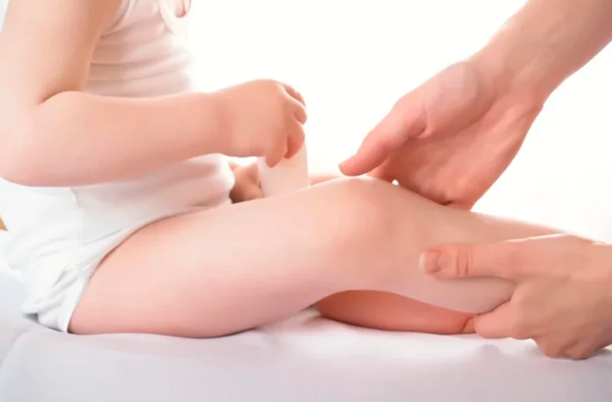
Many children experience aching or throbbing pain in their legs, especially during the evening or at night. Although these pains are called growing pains, they are not directly caused by growth itself. They are usually harmless and tend to come and go over time.
A gentle growing pains massage is one of the most effective home remedies for providing comfort and temporary relief. In this guide, we will explain what growing pains are, how massage helps, and the safest ways to soothe your child’s discomfort naturally.
What Are Growing Pains?
Growing pains are common episodes of muscle aches that mainly affect children between the ages of 3 and 12 years. The pain usually appears in both legs and often occurs after an active day. These pains do not damage the joints or bones and generally disappear as children get older.
Why They Happen in Children
Doctors do not know the exact cause of growing pains. However, many experts believe that physical activity, muscle fatigue, and overuse during the day may contribute to the discomfort. Running, jumping, and playing sports can place stress on the muscles, leading to pain later in the evening.
Common Age Groups Affected
Growing pains are most common among preschool and school-age children. Children between 3 and 5 years old and those between 8 and 12 years old experience them most frequently. Boys and girls are affected equally.
| Age Group | Frequency of Growing Pains |
| 3–5 years | Very Common |
| 6–7 years | Moderate |
| 8–12 years | Common |
| Teenagers | Less Common |
Understanding Growing Pains Symptoms
Growing pains have several recognizable symptoms. Understanding these signs can help parents distinguish normal discomfort from conditions that require medical attention. The following sections explain where the pain occurs, when it usually appears, and how children describe the feeling.
Where the Pain Usually Occurs
Growing pains mainly affect the muscles rather than the joints. The pain is commonly felt in:
- Calves
- Front of the thighs
- Behind the knees
- Lower legs
Most children experience pain in both legs rather than just one.



What Is a Growing Pains Massage?
A growing pains massage is a gentle method used to relax sore muscles and provide temporary comfort. Massage does not cure growing pains, but it helps ease tension and creates a calming effect. The following sections explain how massage works and why gentle techniques are recommended.
Meaning and Purpose of Massage
Massage involves using the hands to apply light pressure to painful areas. The goal is to relax muscles, increase blood flow, and reduce discomfort. Parents often find that massage helps children settle down before bedtime.
How Massage Helps Relieve Discomfort
Gentle rubbing stimulates circulation and relaxes tight muscles. This can reduce the intensity of pain and help children feel more comfortable. Massage also provides reassurance and emotional comfort, which may make it easier for children to sleep peacefully.
Why Gentle Massage Is Recommended
Strong pressure is unnecessary and may even make pain worse. Light strokes and slow circular movements are generally enough to soothe sore muscles. Children respond best when the massage is calm and relaxing.
Benefits of Massage for Growing Pains
A growing pains massage offers several benefits that can improve a child’s comfort and overall well-being. These advantages include muscle relaxation, improved circulation, better sleep, and emotional reassurance. Each of these benefits is discussed below.
Relaxing Sore Muscles
After an active day, muscles may become tired and tense. Massage helps loosen these muscles and reduce the feeling of tightness. Many children feel immediate relief after a short massage session.
Improving Blood Circulation
Massage stimulates blood flow to the muscles. Better circulation delivers oxygen and nutrients to the tissues, helping them recover more efficiently from daily activities.
Helping Children Sleep Better
Nighttime pain often interrupts sleep. A gentle massage before bed can calm the body and mind, making it easier for children to fall asleep and stay asleep.
When to Use Massage for Growing Pains
Timing can make massage more effective. Certain situations are especially suitable for providing a growing pains massage.
Evening and Nighttime Pain
Because symptoms usually occur in the evening, massage before bedtime can help prevent discomfort from disturbing sleep.
After Physical Activity
Children who spend the day running, jumping, or playing sports may benefit from massage later in the day. This can help relax tired muscles.
During Episodes of Leg Discomfort
Massage can be used whenever pain appears. A few minutes of gentle rubbing may provide enough relief to help children rest comfortably.
Best Areas to Massage
The location of pain varies among children, but some areas are affected more commonly than others.
Common Areas for Massage
- Calves
- Thigh muscles
- Behind the knees
- Lower legs
- Feet and ankles
Avoid massaging swollen joints or areas that appear red or injured.
Step-by-Step Guide to Giving a Growing Pains Massage
A proper growing pains massage is simple and does not require special training. Following a few basic steps can make the experience more effective and comfortable.
Preparing a Comfortable Environment
Choose a quiet room with soft lighting. Allow your child to lie down comfortably and encourage them to relax.
Using Gentle Pressure
Apply light pressure with your hands. The massage should feel soothing rather than painful.
Circular Massage Movements
Use slow circular motions with your fingertips or palms. Work gradually along the calves and thighs.
How Long the Massage Should Last
Most sessions last between five and fifteen minutes. Longer massages are usually unnecessary. If your child feels better sooner, you can stop whenever they are comfortable.
Massage Techniques That Work Best
Different massage methods can help ease muscle discomfort in children. Simple and gentle techniques are usually enough to provide comfort. The following methods are commonly used because they are safe and easy for parents to perform at home.
Light Stroking
Light stroking is one of the simplest techniques for a growing pains massage. Use your palms to gently move from the ankles upward toward the thighs. This helps relax the muscles and creates a calming effect.
Circular Motions
Circular movements using the fingertips can improve circulation and reduce tightness in sore areas. Slow and steady motions are usually more effective than quick or forceful rubbing.
Using Warm Compresses with Massage
Heat therapy and massage often work well together. Warmth helps relax the muscles and can increase the soothing effect of a growing pains massage. The following sections explain safe ways to combine both methods.
Why Warmth Helps
Warm compresses increase blood flow and help muscles relax. This can reduce aching sensations and make massage more comfortable.
Safe Ways to Apply Heat
A warm towel, heating pad on a low setting, or warm water bottle can be used. The temperature should be comfortable and never too hot. Apply warmth for about ten to fifteen minutes before starting the massage.
Combining Massage and Heat Therapy
Many parents find that using a warm compress followed by a gentle massage provides better relief than either method alone. This combination can help children relax before bedtime.
Massage Oils and Lotions for Growing Pains
Massage oils can make the process smoother and more comfortable. However, it is important to choose products that are safe for children.
Choosing Child-Safe Oils
Natural oils and fragrance-free lotions are generally the safest options. Products designed for babies or sensitive skin are often suitable.
Coconut Oil and Baby Oil Options
Coconut oil and baby oil are commonly used because they allow the hands to glide smoothly over the skin. They also help prevent irritation caused by excessive rubbing.
Precautions When Using Essential Oils
Essential oils should be used carefully. Some oils may irritate a child’s skin or cause allergic reactions. Always dilute them properly and consult a healthcare professional if you are unsure.
Natural Ways to Ease Growing Pains
Besides a growing pains massage, several natural remedies can help reduce discomfort and improve a child’s overall well-being.
Helpful Home Remedies
- Warm baths before bedtime
- Drinking enough water throughout the day
- Maintaining a healthy diet
- Getting adequate sleep and rest
- Encouraging regular physical activity
These simple habits may decrease the frequency of painful episodes.
Common Mistakes to Avoid During Massage
Although massage is generally safe, certain mistakes can make the discomfort worse. Understanding these issues can help parents provide better care.
Applying Too Much Pressure
Strong pressure may increase soreness rather than relieve it. Gentle movements are usually enough.
Massaging Swollen or Injured Areas
Pain accompanied by swelling, redness, or injury should not be treated with massage. Medical evaluation may be necessary.
Ignoring Severe Symptoms
Growing pains should not cause limping, fever, or severe swelling. These symptoms require medical attention.
How Long Does Relief Last?
The effects of a growing pains massage are usually temporary. However, regular massage sessions may help manage recurring discomfort.
Temporary Relief from Massage
Many children experience relief within minutes. The soothing effects may last throughout the night.
Frequency of Massage Sessions
Massage can be performed whenever symptoms appear. Some parents prefer a short session before bedtime during periods when growing pains occur frequently.
Managing Recurring Pain
Keeping a regular bedtime routine, encouraging stretching, and providing massage when needed may help reduce episodes over time.
When Growing Pains May Not Be Normal
Most cases of growing pains are harmless, but some symptoms should never be ignored. The following warning signs may indicate another condition that requires medical attention.
Signs That Need Medical Evaluation
- Pain in only one leg
- Persistent morning pain
- Swelling or redness
- Fever
- Limping
- Difficulty walking
- Joint stiffness
Parents should consult a healthcare provider if these symptoms appear.
Can Massage Prevent Growing Pains?
Although massage cannot completely prevent growing pains, it can help reduce discomfort and improve relaxation. Combining massage with healthy lifestyle habits may support muscle recovery and overall comfort.
What Massage Can and Cannot Do
Massage can relax muscles and provide temporary relief. However, it cannot cure growing pains or prevent every episode.
Importance of Physical Activity and Stretching
Regular exercise, stretching, proper hydration, and adequate rest all contribute to healthy muscles. These habits may help reduce the frequency of pain episodes.
Frequently Asked Questions
Can growing pains massage be done every day?
Yes, a gentle growing pains massage can be performed daily if your child experiences frequent discomfort. Light massage is generally safe and may help relax muscles and improve sleep.
Does dehydration make growing pains worse?
Dehydration may contribute to muscle cramps and soreness. Encouraging children to drink enough water throughout the day can support muscle health and overall comfort.
Are growing pains more common after sports activities?
Yes, children who are physically active may notice pain more often after running, jumping, or participating in sports because their muscles become tired.
Can poor posture contribute to leg discomfort?
Poor posture may place extra strain on muscles, which can increase aches and pains in some children.
Do growing pains affect both legs equally?
In many cases, discomfort appears in both legs, although the intensity may differ.
Can stress or anxiety make growing pains feel worse?
Emotional stress may increase pain sensitivity, making discomfort seem more noticeable at night.
Conclusion
A growing pains massage is a safe and effective home remedy that provides temporary relief from nighttime leg discomfort. Gentle massage, combined with warm compresses, stretching, and healthy daily habits, can help children feel more comfortable and sleep better.
Although growing pains are usually harmless, unusual symptoms such as swelling, limping, or persistent pain should always be evaluated by a healthcare professional. With proper care and reassurance, most children outgrow these painful episodes and continue their normal activities without long-term problems.
Related Articles
Is Cheese Gluten-Free? Your Complete Guide to Safe and Unsafe Cheeses
Can You Have 2 Health Insurances?
Abbeville Community Health Center: Services, Programs, Benefits, and Patient Care Guide
Signs of a Sinus Infection: Early Symptoms, Severe Signs & When to See a Doctor