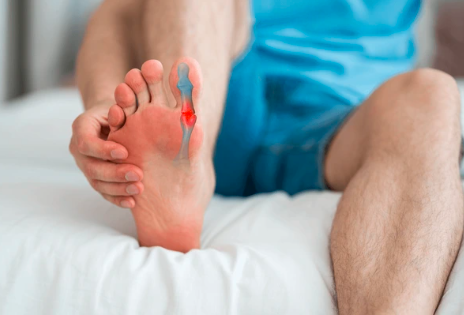
Big toe joint pain can make simple daily activities like walking, standing, or climbing stairs uncomfortable and difficult. This pain may develop suddenly after an injury or gradually because of underlying joint problems, inflammation, or pressure on the toe.
In some cases, swelling, stiffness, redness, or difficulty moving the toe can also appear along with the pain. Understanding the exact cause is important because different conditions require different types of care and treatment.
In this article, we will discuss the common causes of pain in the big toe joint, effective home remedies that may help reduce discomfort, and medical treatments doctors may recommend for long-term relief.
What Does Pain in the Big Toe Joint Mean?
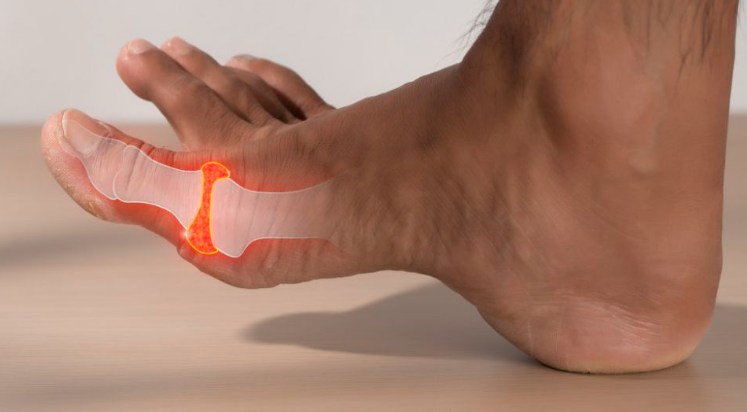
Pain in the big toe joint usually indicates irritation or damage affecting the tissues, cartilage, or bones around the joint area. It can develop from inflammation linked to conditions such as osteoarthritis, gout, bunions, or injuries like turf toe that place stress on the toe during movement.
Some people may notice stiffness, swelling, tenderness, or discomfort that becomes worse while walking or wearing tight shoes. In certain cases, repeated pressure on the joint over time can also reduce flexibility and make normal foot movement more difficult.
Common Symptoms That Can Happen With Big Toe Joint Pain
Big toe joint pain can appear with several other symptoms depending on the underlying cause and severity of the condition. Below are some common signs people may notice along with discomfort in the big toe joint.
Swelling Around the Joint
Swelling develops when fluid builds up around the joint because of irritation, injury, or inflammation. The area may look puffy and feel tender when touched or while wearing shoes. In some cases, swelling can make movement uncomfortable and increase pressure inside the joint.
Redness and Warmth
Redness and warmth around the big toe joint are often linked to active inflammation or irritation in the tissues. The skin may appear slightly red and feel hotter than the surrounding area. Conditions like gout or joint inflammation commonly cause these symptoms during flare-ups.


Difficulty Walking
Pain in the big toe joint can place pressure on the foot and change the way a person walks. Many people begin shifting weight to other parts of the foot to avoid discomfort. Over time, this may lead to imbalance, strain, or discomfort in nearby joints.
Stiffness in the Morning
Some people notice the joint feels tight or difficult to move after waking up or resting for a long period. Morning stiffness often improves gradually once the foot starts moving again. Joint conditions such as arthritis commonly cause this type of symptom.
Sharp or Throbbing Pain
The pain may feel sharp during movement or develop into a throbbing sensation while resting. Sudden intense pain can sometimes occur during inflammation or after physical strain on the toe. The severity may increase when standing, walking, or bending the joint.
Reduced Range of Motion
Big toe joint problems can limit how far the toe moves upward or downward. This restriction may make walking, running, or bending the foot more difficult than usual. Long-term joint irritation can gradually reduce flexibility over time.
Clicking or Cracking Sensation
Some individuals may hear or feel a clicking or cracking sound while moving the big toe. This can happen when joint surfaces rub together or when stiffness affects smooth movement. Occasional sounds may not always be serious, but persistent symptoms can indicate joint changes or wear.
Common Causes of Pain in Big Toe Joint
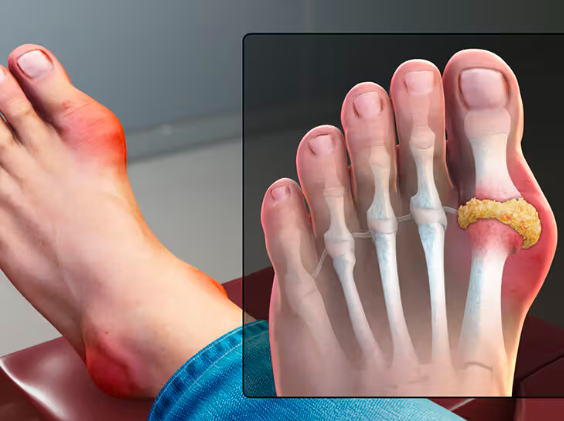
Big toe joint pain can develop for many different reasons, ranging from minor injuries to long-term joint conditions. Below are some of the most common causes that may lead to pain, swelling, stiffness, or difficulty moving the toe.
Gout
Gout is a form of inflammatory arthritis caused by a buildup of uric acid crystals inside the joint. It often leads to sudden severe pain, swelling, redness, and warmth in the big toe, especially during the night. The joint may become extremely sensitive, making even light pressure uncomfortable.
Arthritis
Arthritis can gradually wear down the cartilage that protects the big toe joint, leading to pain and stiffness. Osteoarthritis commonly develops with aging or repeated stress on the joint over time. Inflammatory types of arthritis may also cause swelling and reduced flexibility in the toe.
Hallux Rigidus
Hallux rigidus is a condition where the big toe joint becomes stiff and difficult to move because of joint degeneration. People often experience pain while walking, bending the toe, or pushing off the foot during movement. Over time, bone spurs may develop and further limit joint motion.
Bunions
A bunion forms when the big toe gradually shifts toward the other toes, creating a bony bump near the joint. This misalignment can place pressure on the joint and cause pain, swelling, or irritation while wearing shoes. Tight footwear and inherited foot structure may increase the risk of bunions.
Turf Toe
Turf toe is a sprain that affects the ligaments around the big toe joint, usually after the toe bends forcefully upward. It commonly occurs during sports or activities involving sudden movement on hard surfaces. Pain, swelling, and difficulty pushing off the foot are common symptoms.
Sesamoiditis
Sesamoiditis develops when the small bones beneath the big toe joint become irritated from repeated pressure or overuse. It often causes pain under the ball of the foot that worsens during walking or running. Activities involving jumping or frequent toe movement may increase strain on the area.
Ingrown Toenail
An ingrown toenail happens when the edge of the nail grows into the surrounding skin, causing pain and irritation near the toe. The affected area may become swollen, red, and tender to touch. In some cases, infection can develop if the skin becomes damaged.
Fracture or Broken Toe
A fracture in the big toe can occur after direct impact, falls, or heavy pressure on the foot. Broken toes often cause sudden pain, bruising, swelling, and difficulty walking. Movement may become limited, especially if the joint area is affected.
Sprain or Overuse Injury
Repeated stress or sudden twisting of the toe joint can strain the surrounding ligaments and soft tissues. Overuse injuries are common in people who walk, run, or stand for long periods regularly. Mild swelling, soreness, and discomfort during movement may gradually develop over time.
Big Toe Joint Pain Based on Symptoms
Different types of big toe joint pain can point toward different underlying conditions. The comparison table below explains common symptoms, possible causes, and how the pain may commonly feel for easier understanding.
| Symptom | Possible Causes | How It Commonly Feels |
| Big toe joint pain while walking | Arthritis, bunions, joint inflammation | Pain increases when putting pressure on the foot or during movement |
| Sudden sharp pain in big toe joint | Gout attacks, fractures, sprains | Intense pain appears suddenly and may make walking difficult |
| Throbbing pain at night | Gout, infection, severe inflammation | Pulsing or deep aching pain that becomes worse during rest |
| Swollen big toe joint without injury | Arthritis, gout, autoimmune inflammation | Puffiness, tenderness, and stiffness without a recent accident |
| Stiff big toe joint in the morning | Osteoarthritis, hallux rigidus | Toe feels tight or hard to move after waking up or resting |
| Pain under the big toe joint | Sesamoiditis, pressure-related inflammation | Discomfort under the ball of the foot that worsens with activity |
How Doctors Diagnose Big Toe Joint Pain?

Doctors diagnose big toe joint pain by examining the symptoms, checking joint movement, and using different tests to identify the exact cause. The methods below help detect inflammation, injuries, arthritis, gout, or other problems affecting the toe joint.
Physical Examination
The doctor usually begins by checking the toe for swelling, redness, warmth, tenderness, and limited movement. Walking patterns and pressure on the foot may also be evaluated to understand how the joint is affected. This examination helps identify signs of injury, stiffness, or inflammation.
X-rays
X-rays are commonly used to look for fractures, bone alignment problems, arthritis, or joint damage. They help doctors see structural changes inside the toe joint that may not be visible from the outside. Bone spurs or narrowing of the joint space can also appear on imaging.
Blood Tests for Gout
Blood tests may be recommended to measure uric acid levels when gout is suspected. Elevated uric acid can increase the risk of crystal buildup inside the joint, leading to sudden pain and inflammation. These tests also help rule out certain inflammatory conditions.
MRI or Ultrasound
MRI scans and ultrasound imaging provide detailed views of soft tissues, ligaments, cartilage, and inflammation around the joint. These tests are helpful when pain is related to tendon injuries, ligament damage, or conditions not clearly visible on X-rays. They may also detect fluid buildup and tissue irritation.
Joint Fluid Testing
In some cases, doctors remove a small sample of fluid from the joint using a needle for laboratory testing. This procedure helps identify gout crystals, infection, or inflammatory conditions affecting the joint. Joint fluid analysis can provide a more accurate diagnosis when swelling is severe or unexplained.
Best Home Remedies for Big Toe Joint Pain
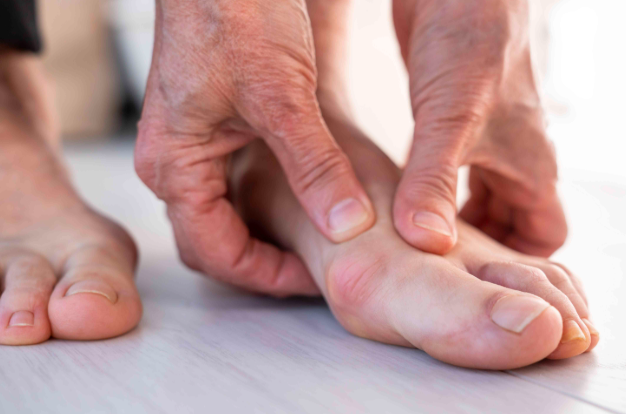
Several simple home remedies may help reduce pain, swelling, and stiffness in the big toe joint. The methods below can support recovery and improve comfort during daily activities.
- Rest and Elevate the Foot: Reducing pressure on the foot can help prevent further irritation in the joint. Keeping the foot elevated may also help decrease swelling and discomfort.
- Apply Ice Packs: Placing an ice pack on the affected area for 15–20 minutes at a time may help reduce inflammation and numb pain. Wrapping the ice pack in a cloth can help protect the skin.
- Wear Supportive Shoes: Shoes with stiff soles and roomy toe boxes can reduce pressure on the big toe joint while walking. Proper footwear may also improve stability and limit irritation caused by tight shoes.
- Try Gentle Toe Exercises: Light exercises such as toe splaying and marble pickups may help improve flexibility and strengthen the small muscles around the toe joint. Gentle movement can also reduce stiffness over time.
Medical Treatments for Severe Toe Joint Pain
When home remedies do not provide enough relief, doctors may recommend medical treatments based on the cause and severity of the condition. The treatments below are commonly used to reduce pain, improve movement, and protect the toe joint from further damage.
Prescription Medications
Doctors may prescribe stronger anti-inflammatory medicines or pain relievers when symptoms become severe or persistent. Certain medications may also help control conditions such as gout or inflammatory arthritis. These treatments aim to reduce swelling, stiffness, and joint discomfort.
Corticosteroid Injections
Corticosteroid injections are sometimes used to reduce inflammation directly inside the affected joint. They may provide temporary relief from pain, swelling, and stiffness when other treatments are not effective enough. Doctors usually recommend them carefully to avoid repeated stress on the joint tissues.
Physical Therapy
Physical therapy can help improve joint flexibility, strengthen surrounding muscles, and reduce pressure on the big toe. Stretching and movement exercises may also improve walking ability and joint stability. Therapy is often recommended for arthritis, stiffness, or recovery after injuries.
Custom Orthotics
Custom orthotics are specially designed shoe inserts that help support the foot and reduce pressure on the big toe joint. They may improve foot alignment and make walking more comfortable during daily activities. Orthotics are commonly used for bunions, arthritis, and pressure-related pain.
Surgery for Severe Cases
Surgery may be considered when pain becomes severe and other treatments no longer provide relief. Different procedures may include bunion surgery to correct toe alignment, joint fusion to stabilize damaged joints, or bone spur removal to improve movement and reduce irritation. The type of surgery depends on the underlying condition affecting the toe joint.
How to Prevent Big Toe Joint Pain
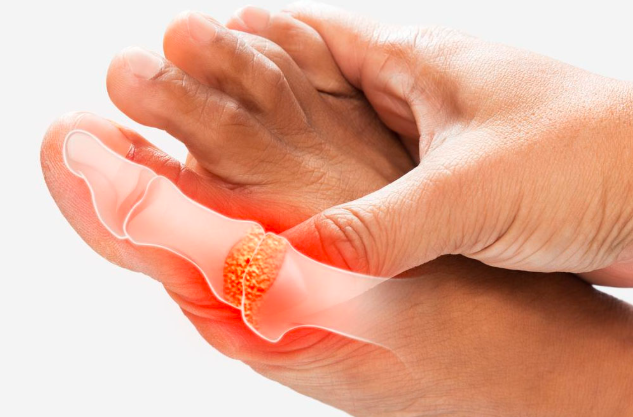
Taking care of the feet and reducing pressure on the toe joint can help lower the risk of pain and inflammation. The prevention tips below may help protect the big toe joint and support better foot health.
- Maintain a Healthy Weight: Keeping body weight within a healthy range can reduce stress placed on the toe joints during walking and standing.
- Wear Proper Footwear: Shoes with enough toe space, good support, and comfortable soles may help prevent pressure and irritation around the big toe joint.
- Avoid Repetitive Stress: Limiting repeated strain from activities such as excessive running or jumping can help protect the joint from overuse injuries.
- Manage Gout Triggers: Reducing foods and habits that increase uric acid levels may help lower the risk of gout flare-ups affecting the big toe.
- Stretch Before Exercise: Gentle stretching before physical activity can improve flexibility and reduce stress on the muscles and joints in the foot.
When Should You See a Doctor?
You should see a doctor if big toe joint pain lasts more than two or three days, becomes worse over time, or starts affecting normal walking and daily activities.
Medical attention is also important if the joint develops significant swelling, redness, warmth, severe stiffness, or difficulty moving the toe.
Sudden intense pain, signs of infection, or pain after an injury may also require prompt evaluation to prevent further joint damage.
Conclusion:
Big toe joint pain can result from conditions such as arthritis, gout, bunions, or different types of injuries affecting the joint.
Early treatment is important because ignoring symptoms may lead to worsening pain, stiffness, and difficulty walking over time.
Wearing proper footwear and reducing pressure on the toe may help protect the joint and improve comfort during daily activities. If the pain becomes persistent or severe, getting a medical evaluation can help identify the cause and prevent further complications.
Related Articles
Heart Home Health Care: Complete Guide to Services, Care Process, and Benefits
Vege Health Foods: Complete Guide to Products, Benefits, Quality, and Plant-Based Living
Asbury Health and Rehabilitation Center: Services, Rehabilitation Programs, and Patient Care Guide
Can I Workout With Stitches on My Head? Complete Guide
How Long Does a Fractured Toe Take to Heal? (And What Affects Your Recovery)