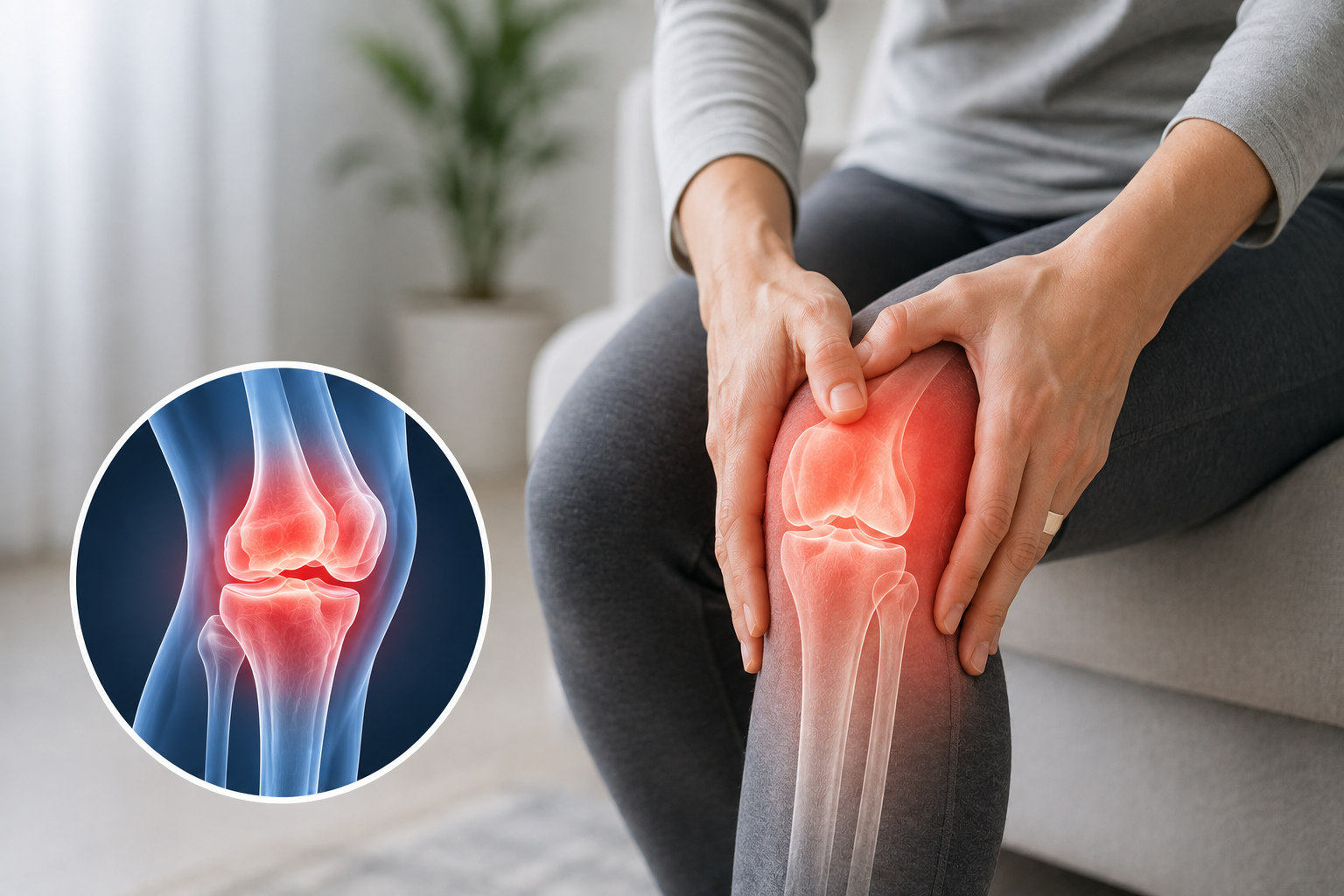
Sudden knee pain without injury usually points to an internal joint problem rather than external trauma. Common causes include osteoarthritis flare-ups, gout, bursitis, and age-related meniscus wear. Infections like septic arthritis and autoimmune conditions such as rheumatoid arthritis can also trigger sharp, unexpected pain.
In some cases, the pain is referred from the hip or lower back rather than originating in the knee itself. Because several of these causes can escalate quickly, recognizing the pattern of symptoms is the first step toward proper treatment.Knee pain that appears without any clear fall, twist, or blow to the joint often confuses people because there’s no obvious explanation.
The knee is a complex joint that relies on cartilage, fluid, tendons, and ligaments working together, and any disruption to that balance can cause pain to surface suddenly, even without physical trauma. Below, each major cause is explained in detail, along with guidance on when the pain warrants medical attention.
Common Causes of Sudden Knee Pain
Several conditions can cause the knee to hurt out of nowhere, ranging from wear-and-tear changes to infections. Each cause has a distinct pattern of onset, so understanding these differences is essential for identifying what’s happening.
Osteoarthritis Flare-Ups
Osteoarthritis develops when the cartilage cushioning the knee joint gradually wears down over time. While this process is usually slow, flare-ups can happen suddenly, often triggered by weather changes, prolonged sitting, or minor overuse. People frequently notice stiffness in the morning that eases as the day progresses.
Gout and Crystal-Induced Arthritis
Gout occurs when uric acid builds up in the bloodstream and forms sharp crystals inside the joint. This buildup can trigger an attack within hours, often overnight, causing intense pain, swelling, and redness. The knee becomes tender to even light touch, and the skin around it may feel warm.
Bursitis
Bursitis is inflammation of the small fluid-filled sacs, called bursae, that cushion the knee joint. Repeated kneeling, minor overuse, or even prolonged pressure can inflame these sacs without any specific injury moment. The result is localized swelling and discomfort, particularly at the front or side of the knee.
Meniscus Degeneration
Unlike an acute meniscus tear from a sports injury, degenerative meniscus damage happens gradually as cartilage weakens with age. A simple movement, like standing up or turning while walking, can be enough to cause a sudden tear in already-weakened tissue. This often results in clicking sensations and intermittent locking of the joint.



Baker’s Cyst
A Baker’s cyst forms when excess synovial fluid accumulates behind the knee, often as a secondary effect of arthritis or cartilage damage. The cyst can suddenly swell or even rupture, causing sharp pain and a sensation similar to fluid leaking down the calf. This is frequently mistaken for a blood clot, so proper evaluation is important.
Septic Arthritis (Infection)
Septic arthritis is a bacterial infection inside the joint space, and it represents one of the more urgent causes of sudden knee pain. Onset is typically rapid, accompanied by fever, significant swelling, and warmth over the joint. This condition requires immediate medical attention, as delayed treatment can damage the joint permanently.
Autoimmune Conditions (RA, Lupus)
Autoimmune diseases like rheumatoid arthritis or lupus cause the immune system to mistakenly attack joint tissue, leading to inflammation that can flare without warning. These flares often affect multiple joints simultaneously, not just the knee, and may include fatigue or low-grade fever. Morning stiffness lasting longer than thirty minutes is a common signal of this pattern.
Comparison of Common Causes
Because several conditions share overlapping symptoms, comparing their onset speed and key signs side by side makes it easier to narrow down the likely cause. The table below outlines how each condition typically presents.
| Cause | Onset Speed | Swelling | Redness/Warmth | Fever | Urgency Level |
| Osteoarthritis Flare | Hours to days | Mild | Rare | No | Low |
| Gout | Hours (often overnight) | Significant | Yes | Sometimes | Moderate-High |
| Bursitis | Days | Localized | Sometimes | No | Low-Moderate |
| Meniscus Degeneration | Sudden (with movement) | Mild-Moderate | No | No | Moderate |
| Baker’s Cyst | Sudden (rupture) | Behind knee/calf | Sometimes | No | Moderate |
| Septic Arthritis | Very rapid (hours) | Severe | Yes | Yes | High (Emergency) |
| Autoimmune Flare | Hours to days | Moderate | Sometimes | Often | Moderate-High |
| Referred Pain | Variable | None | No | No | Low |
This comparison highlights that fever combined with warmth and rapid swelling should never be ignored, as it often signals infection rather than a routine flare-up.
When to See a Doctor
Not all knee pain requires an emergency room visit, but certain warning signs indicate the problem needs prompt evaluation. Recognizing these red flags early can prevent complications.
Emergency Warning Signs
Seek immediate care if the knee is accompanied by fever, inability to bear any weight, or rapidly worsening swelling within hours. These signs often point to infection or a severe inflammatory reaction that can damage joint tissue if untreated. Emergency evaluation typically includes joint fluid testing to rule out infection.
Non-Urgent but Persistent Symptoms
Mild stiffness, occasional clicking, or intermittent discomfort that doesn’t worsen can usually be monitored for a few days before seeking care. If symptoms persist beyond a week or begin interfering with daily movement, scheduling a routine appointment is the appropriate next step. These milder patterns are more often linked to osteoarthritis or minor bursitis.
Diagnosis and Testing
Doctors rely on a combination of physical examination and diagnostic tools to pinpoint the exact cause of sudden knee pain. Each method reveals different information about the joint’s condition.
Physical Examination
A physical exam involves checking the knee’s range of motion, feeling for warmth, and applying gentle pressure to identify tender areas. This step helps doctors quickly narrow down whether the problem is mechanical, inflammatory, or infectious in nature. Simple movement tests can also reveal instability or locking associated with meniscus damage.
Imaging (X-ray, MRI, Ultrasound)
X-rays are typically used first to check for arthritis-related changes or bone abnormalities, while MRI scans provide detailed images of soft tissue like the meniscus and ligaments. Ultrasound is particularly useful for detecting fluid buildup, such as a Baker’s cyst. The choice of imaging depends on what the physical exam suggests.
Lab Tests (Blood, Joint Fluid)
Blood tests can detect elevated uric acid levels in gout or inflammatory markers linked to autoimmune conditions. Joint fluid analysis, performed by withdrawing a small sample from the knee, is the most reliable way to confirm or rule out infection. These tests are especially important when fever or rapid swelling is present.
Home Care and Management?
For milder cases not requiring emergency care, several home strategies can reduce discomfort while the underlying cause is addressed. These methods focus on reducing inflammation and protecting the joint.
RICE Method
The RICE method, rest, ice, compression, and elevation, remains a reliable first response for reducing swelling and discomfort. Resting the joint prevents further irritation, while ice helps calm inflammation in the first 48 hours. Elevating the leg above heart level can also reduce fluid buildup around the knee.
Anti-Inflammatory Options
Over-the-counter anti-inflammatory medications are commonly used to manage pain and swelling, though they should be used according to package guidance or a doctor’s recommendation. These options work best for mild to moderate flare-ups rather than infection-related pain. A healthcare provider can advise on the safest option based on individual health history.
Lifestyle Adjustments
Maintaining a healthy weight reduces the overall load placed on the knee joint, which can lessen the frequency of flare-ups over time. Modifying high-impact activities, such as switching from running to swimming, also helps protect the joint from repetitive strain. These adjustments are particularly beneficial for people with osteoarthritis or recurring bursitis.
Prevention Tips
Preventing sudden knee pain largely depends on supporting joint health through consistent habits. Maintaining strength in the muscles surrounding the knee, particularly the quadriceps and hamstrings, provides better joint stability.
Staying hydrated and moderating purine-rich foods can help reduce gout flare risk for those prone to it. Regular low-impact movement, such as walking or cycling, keeps joint fluid circulating and reduces stiffness. Avoiding prolonged kneeling or repetitive pressure on the front of the knee also lowers the risk of bursitis.
FAQs
1. Can sudden knee pain go away on its own?
Mild cases, such as minor bursitis or early osteoarthritis flares, can improve with rest and home care. However, pain linked to infection or gout typically requires medical treatment to resolve fully.
2. Is sudden knee pain always a sign of arthritis?
No, arthritis is only one possible cause. Gout, bursitis, cysts, and referred pain from the hip or back can all produce similar sudden symptoms.
3. Why does my knee hurt only at night?
Nighttime pain is often linked to reduced movement during sleep, which can allow inflammation or fluid buildup to settle in the joint. Gout attacks are also known to commonly begin at night.
4. Should I still walk if my knee suddenly hurts?
Light movement is generally fine unless there is severe swelling, fever, or inability to bear weight, in which case rest and medical evaluation are advised.
5. Can weather changes really cause knee pain?
Some people with osteoarthritis report increased stiffness during weather shifts, likely due to changes in barometric pressure affecting joint fluid. This isn’t universal, but it’s a commonly observed pattern.
6. How do I know if it’s gout or infection?
Both can cause redness and warmth, but infection is usually accompanied by fever and rapidly worsening symptoms within hours. A joint fluid test is the most reliable way to distinguish between the two.
7. When does a Baker’s cyst need treatment?
Treatment is needed if the cyst ruptures, causes significant pain, or continues to grow, as it may indicate an underlying joint issue that needs addressing.
Conclusion
Sudden knee pain without injury can stem from a wide range of causes, including arthritis, gout, bursitis, cysts, infection, or referred pain from nearby joints.
Paying attention to accompanying symptoms like fever, swelling speed, and warmth helps identify whether the situation calls for home care or prompt medical evaluation.
Early recognition of warning signs remains the most effective way to protect long-term joint health.
RELATED POSTS
Is Cheese Gluten-Free? Your Complete Guide to Safe and Unsafe Cheeses
Why Does My Vision Go Black When You Stand Up? Symptoms
Chelsea Crumpler UNC Health: Career, HR Leadership, and Professional Contributions