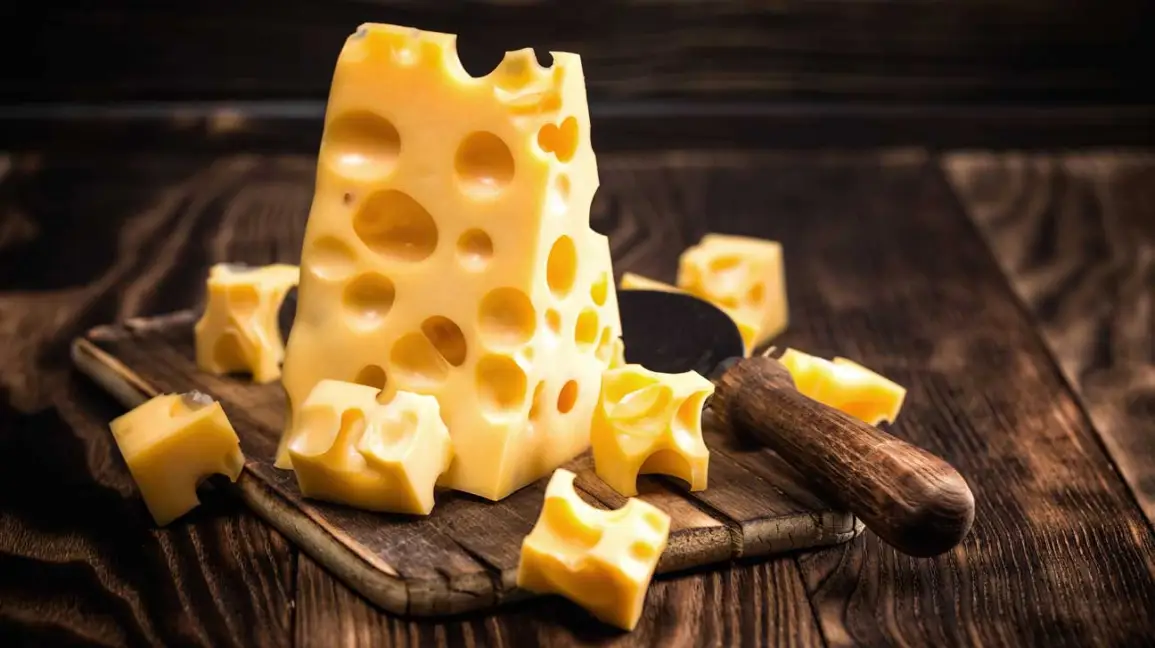
Yes — most natural, unprocessed cheeses like cheddar, mozzarella, parmesan, and Swiss are naturally gluten-free. Traditional cheesemaking relies on just four ingredients: milk, salt, rennet (enzymes), and bacterial cultures — none of which contain gluten. So if you’re managing celiac disease, gluten sensitivity, or simply following a gluten-free lifestyle, the majority of cheese is safe for you.
However, not every cheese on the shelf is safe. The risk lies in processing, additives, and cross-contamination — factors that can introduce gluten into an otherwise safe product.
Processed cheese slices, flavored spreads, pre-shredded bags, and beer-washed varieties can all contain hidden gluten through additives like modified food starch, maltodextrin, or wheat-based anti-caking agents. Below, we break down exactly which cheeses are safe, which to avoid, and how to read labels like a pro.
What Is Gluten?
Gluten is a family of proteins found in wheat, barley, rye, and their derivatives. For people with celiac disease or gluten sensitivity, even trace amounts (above 20 parts per million, per FDA standards) can trigger immune reactions, intestinal damage, or uncomfortable symptoms like bloating and fatigue.
Why Do Some People Avoid Gluten?
People avoid gluten for three main reasons. Celiac disease is an autoimmune disorder where gluten damages the small intestine’s villi — affecting roughly 1 in 100 people worldwide, according to the Celiac Disease Foundation.
Non-celiac gluten sensitivity (NCGS) causes similar symptoms (bloating, brain fog, joint pain) without intestinal damage, and affects an estimated 6% of the population. Others follow a gluten-free diet as a lifestyle choice, though medical evidence supporting benefits for non-sensitive individuals remains limited.
Is Cheese Gluten-Free?
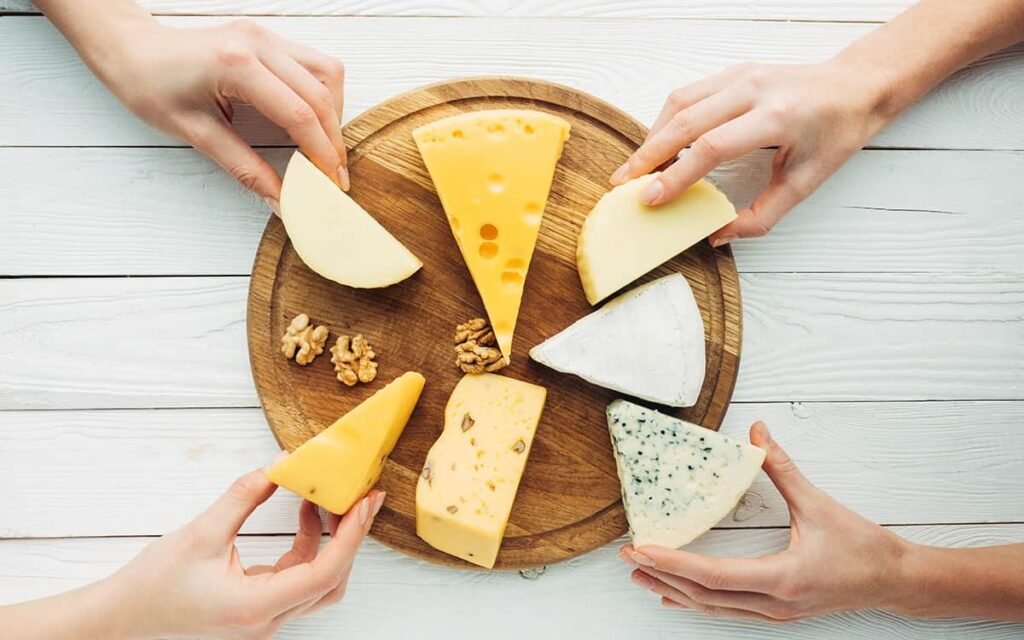
The short answer: yes, most natural cheese is inherently gluten-free. The cheese making process — coagulating milk with enzymes, draining whey, pressing curds, and aging — involves zero gluten-containing ingredients at any stage. This means hard cheeses (cheddar, parmesan, Gruyère), soft cheeses (brie, camembert, goat cheese), and fresh cheeses (ricotta, mozzarella, cottage cheese) are all naturally free of gluten.
The risk enters at the processing and packaging stage. Any cheese that has been flavored, pre-shredded, processed into slices or spreads, or washed with beer may contain gluten-derived ingredients. According to FDA labeling regulations (21 CFR 101.91), a product labeled “gluten-free” must contain less than 20 parts per million (ppm) of gluten — so always look for this certification on the package.



List of Naturally Gluten-Free Cheeses
Most natural cheeses are gluten-free because they are made from simple ingredients without any wheat or gluten-based additives. Below are some of the most common gluten-free cheese types you can safely enjoy:
Common Gluten-Free Cheese Types
Cheddar: A firm, aged cheese made from cow’s milk. Aging periods range from 2 months (mild) to 2+ years (extra sharp). Naturally gluten-free in block form. Caution: Pre-shredded cheddar often contains cellulose or potato starch as anti-caking agents — these are typically gluten-free, but always verify the label. Safe brands include Cabot, Tillamook, and Kerrygold.
Mozzarella: A fresh, mild Italian cheese made by stretching heated curds (pasta filata method). Fresh mozzarella balls and low-moisture mozzarella blocks are gluten-free. Watch out for breaded mozzarella sticks and some shredded varieties that may use wheat-based anti-caking agents. Brands like Galbani, BelGioioso, and Sargento offer certified gluten-free options.
Parmesan: Aged 12–36 months, this Italian hard cheese is made exclusively from raw cow’s milk, salt, and animal rennet. Authentic Parmigiano-Reggiano is always gluten-free. However, pre-grated parmesan canisters (like some Kraft varieties) may contain cellulose or modified food starch — check labels carefully.
Feta: A brined, crumbly cheese traditionally made from sheep’s milk (or a sheep-goat blend) in Greece. Authentic Greek feta is naturally gluten-free. Flavored feta (herb-crusted, marinated) may contain gluten-based seasonings, so stick to plain varieties or check for certification.
Goat Cheese (Chèvre): Soft, tangy, and naturally gluten-free. Plain chèvre logs are safe, but flavored varieties (cranberry, herb-crusted, honey-walnut) may use gluten-containing coatings or additives. Always choose plain or verify the flavoring ingredients.
Ricotta: A fresh, creamy whey cheese used in lasagna, cannoli, and pancakes. Traditional ricotta is gluten-free, but some commercial brands add stabilizers. Look for short ingredient lists (whey, milk, citric acid, salt) as a safety indicator.
Swiss: Recognized by its characteristic holes (called “eyes”), Swiss cheese is naturally gluten-free. The holes form from carbon dioxide released by Propionibacterium during aging — a fun fact that also confirms no gluten is involved in the process. Gruyère, a close relative, is equally safe.
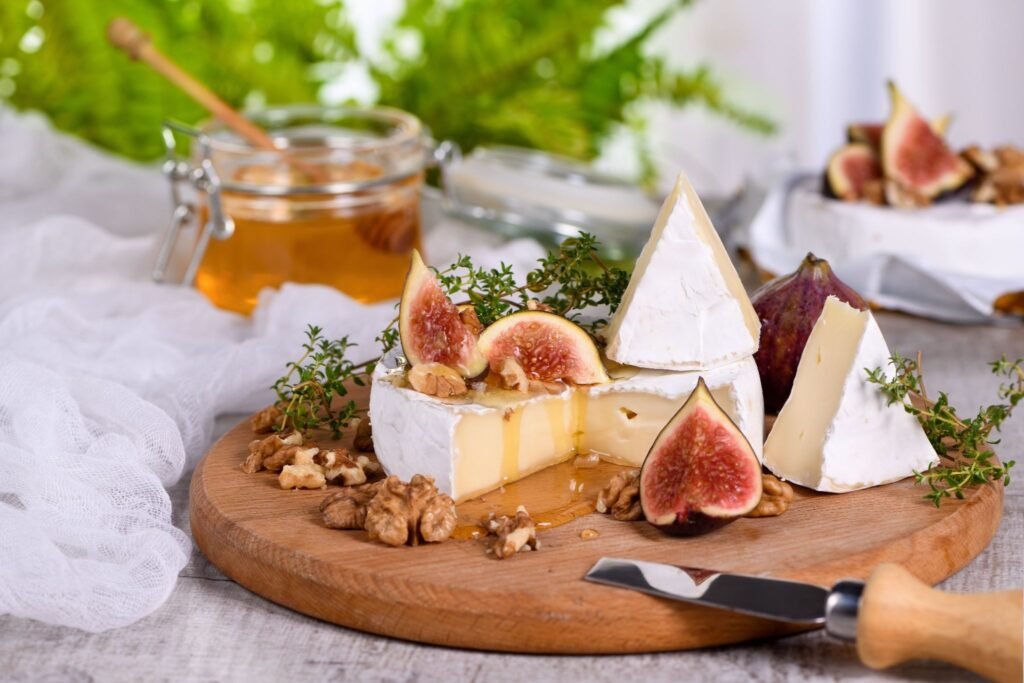
Brie & Camembert: These soft-ripened French cheeses develop their white rind from Penicillium camemberti mold — which is gluten-free. Plain brie and camembert are safe. Avoid varieties wrapped in pastry (brie en croûte) or topped with breadcrumb-based crusts.
As always, it’s important to choose plain, unflavored versions and check labels for any added ingredients that might contain gluten.
When Cheese May NOT Be Gluten-Free?
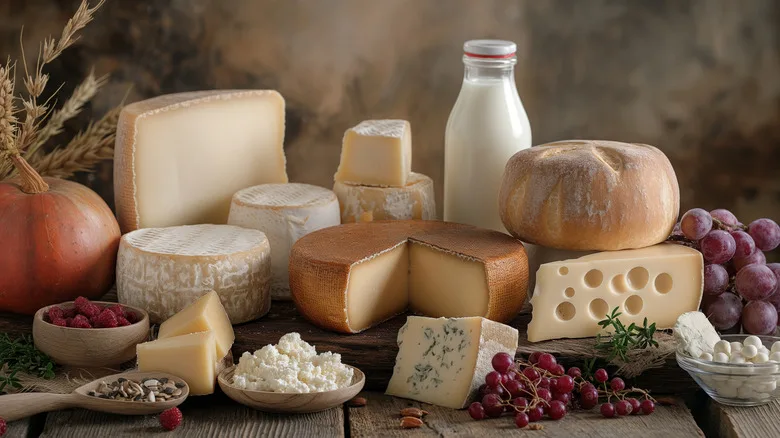
While the cheese itself is gluten-free, the journey from dairy farm to your plate introduces several risk points. Understanding exactly where gluten can enter the picture helps you make confident, safe choices.
Processed Cheese Products
These are manufactured by melting natural cheese with emulsifying salts, water, and additives. Common gluten risks include: modified food starch (which can be wheat-derived unless specified as corn or potato starch), sodium citrate, maltodextrin, and artificial flavoring compounds. Specific examples: Cheez Whiz, some Velveeta varieties, generic store-brand cheese slices. Always look for ‘gluten-free’ on the label or contact the manufacturer directly.
Flavored or Seasoned Cheese
Herb-crusted, pepper-jack, sun-dried tomato, and smoked varieties sometimes use wheat-based seasonings, soy sauce (which contains wheat), or malt vinegar as flavoring agents. The seasoning blend is where gluten hides, not the cheese itself.
Pro tip: If the ingredient list says ‘natural flavors’ or ‘spices,’ contact the manufacturer to confirm gluten-free status — these umbrella terms can mask wheat derivatives.
Beer-Infused Cheese
Cheeses like certain cheddars, Gouda, or artisan varieties are washed or infused with ale or stout during aging. Since conventional beer is brewed from barley (a gluten grain), this directly introduces gluten. Safe alternative: Some craft cheesemakers now use gluten-free beer or cider washes — check with the producer. Notable gluten-free beer-washed options are becoming available from specialty creameries.
How to Choose Gluten-Free Cheese Safely?
Navigating the cheese aisle with celiac disease or gluten sensitivity doesn’t have to be stressful. Here’s a practical, step-by-step system for choosing safe cheese every time.
Step 1 — Master the Ingredient List: Scan for these specific red-flag ingredients: modified food starch (unless labeled as corn/potato), wheat starch, maltodextrin (can be wheat-derived in some countries), malt extract, malt flavoring, hydrolyzed wheat protein, soy sauce, and brewer’s yeast. If an ingredient list contains fewer than 5 items (milk, salt, enzymes, cultures, and possibly annatto for color), the cheese is almost certainly safe.
Step 2 — Trust Certified Labels: Look for third-party certifications: the GFCO (Gluten-Free Certification Organization) seal guarantees ≤10 ppm, which is stricter than the FDA’s 20 ppm requirement. The CSA (Celiac Support Association) seal is another reliable marker. Note: A ‘gluten-free’ claim without a certification seal is still regulated by the FDA but isn’t independently verified.
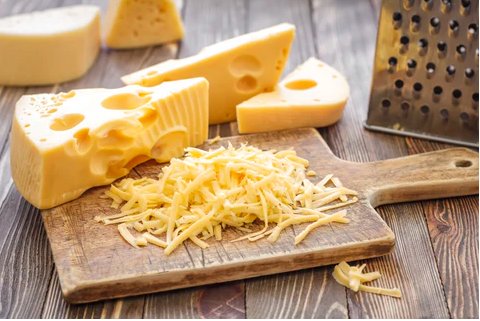
Step 3 — Default to Block Cheese: When in doubt, buy cheese in block, wheel, or wedge form and shred or slice it yourself at home. This eliminates the anti-caking agent variable entirely. Block cheese from any reputable brand (Tillamook, Cabot, Kerrygold, BelGioioso, Sargento) is virtually always gluten-free.
Step 4 — Know Your Risk Tiers: Low risk: Plain block cheese, fresh cheese (ricotta, mozzarella balls), aged cheese (parmesan, Gruyère). Medium risk: Pre-shredded cheese, string cheese, sliced cheese (usually safe but verify labels). High risk: Cheese spreads, cheese dips, flavored/seasoned cheese, beer-washed cheese, and anything from a shared deli slicer.
Health Benefits of Cheese in a Gluten-Free Diet
For people on a gluten-free diet, cheese isn’t just safe — it’s nutritionally strategic. Eliminating gluten often means cutting out fortified grain products, which can create gaps in calcium, B-vitamins, and protein intake. Cheese helps fill those gaps.
High-Quality Protein:
A 1-ounce serving of cheddar provides approximately 7g of complete protein containing all essential amino acids. For gluten-free dieters who’ve eliminated wheat-based protein sources (bread, pasta, cereal), cheese becomes an even more important protein contributor. Harder, aged cheeses (parmesan, aged Gouda) tend to have the highest protein density.
Calcium Powerhouse:
Cheese is one of the most bioavailable calcium sources in any diet. A single ounce of parmesan delivers about 336mg of calcium (26% of the daily recommended value), while Swiss provides approximately 224mg per ounce. This is particularly important for celiac patients, who often experience calcium malabsorption due to intestinal damage, increasing their risk of osteoporosis.
Additional Nutrients:
Beyond protein and calcium, cheese provides vitamin B12 (critical for nerve function — 1 oz of Swiss provides 14% DV), vitamin A (important for immune function), phosphorus (works with calcium for bone health), zinc, and conjugated linoleic acid (CLA), which research suggests may have anti-inflammatory properties. For people on restrictive gluten-free diets, these micronutrients help compensate for the loss of fortified grain products.
Quick Comparison Table
| Cheese Type | Gluten-Free | Risk Level | Notes |
| Cheddar | Yes | Low | Natural |
| Mozzarella | Yes | Low | Safe |
| Cottage | Sometimes | Medium | Check label |
| Shredded | Sometimes | Medium | Added starch |
| Cheese Spread | Sometimes | High | Additives |
This quick comparison helps you easily identify which cheeses are safer for a gluten-free diet and which ones require extra caution.
Key Takeaways
- All natural, unprocessed cheeses — hard, soft, fresh, and aged — are inherently gluten-free because the cheesemaking process uses zero gluten ingredients.
- Gluten enters cheese through processing additives (modified food starch, wheat starch, maltodextrin), flavorings (soy sauce, malt extract), or beer-washing.
- Pre-shredded cheese is usually safe but always verifies anti-caking agents on the label.
- Blue cheese is generally safe (most producers now use gluten-free mold substrates), but highly sensitive individuals should seek certified brands.
- The safest strategy: buy block cheese, shred it yourself, and look for GFCO or CSA certification on packaged products.
- At restaurants and deli counters, always ask about shared slicing equipment and preparation areas.
Frequently Asked Questions
Can people with celiac disease eat cheese?
Yes — most natural, unaged and aged cheeses are safe for celiac patients. The Celiac Disease Foundation confirms that plain cheese made from milk, enzymes, salt, and cultures does not contain gluten. However, celiac patients should avoid processed cheese with modified food starch, beer-washed varieties, and cheese from shared deli slicers. When eating out, always inform your server about your celiac diagnosis and ask about cross-contamination protocols.
Is cheesecake gluten-free?
Traditional cheesecake is not gluten-free because the crust typically uses wheat flour, graham crackers, or cookie crumbs. However, gluten-free cheesecake is easy to make at home using almond flour, crushed gluten-free cookies, or a nut-based crust. Many bakeries now offer certified gluten-free cheesecake options — always verify with the bakery about their preparation practices and ingredient sourcing.
Is dairy-free cheese (vegan cheese) gluten-free?
Not necessarily. Many dairy-free/vegan cheeses are made from nuts, soy, coconut, or tapioca — all naturally gluten-free bases. However, some brands use wheat starch, vital wheat gluten, or modified food starch as binding agents. Confirmed gluten-free vegan brands include Violife, Miyoko’s, and Daiya (check specific product lines, as formulations vary).
Can cross-contamination affect cheese?
Yes, cross-contamination is a real risk in three main scenarios:
- Deli counters where the same blade slices cheese and gluten-containing deli meats
- Restaurants where cheese is served alongside bread, crackers, or pasta on shared surfaces
- Manufacturing facilities that process both cheese and gluten-containing products on shared lines. To minimize risk, buy pre-packaged cheese from trusted brands, ask deli staff to clean equipment before slicing, and at restaurants, request that your cheese be prepared in a clean area.
Is mozzarella cheese safe for a gluten-free diet?
Yes, both fresh mozzarella (packed in water/brine) and low-moisture mozzarella (the type used for pizza) are naturally gluten-free. The only exceptions are breaded mozzarella sticks (the coating contains wheat flour) and some pre-shredded varieties. For pizza lovers on a gluten-free diet, pair gluten-free mozzarella with a gluten-free pizza crust for a completely safe meal
Is Kraft cheese gluten-free?
Many Kraft cheese products, including Kraft Singles and Kraft Natural Cheese blocks, are labeled gluten-free. However, some Kraft products (especially flavored or processed varieties) may contain wheat-derived ingredients. Always check the specific product’s current label, as formulations can change.
Is blue cheese gluten-free?
Most commercially produced blue cheese is considered gluten-free. While Penicillium roqueforti mold was traditionally cultured on bread, modern producers typically use synthetic or gluten-free growth media. Testing by organizations like the Canadian Celiac Association has found that most blue cheeses contain less than 20 ppm of gluten. However, if you have severe celiac disease, look for brands with explicit gluten-free certification such as Rogue Creamery or Salemville.
Related Articles
Can Anxiety Cause Nausea? Causes, Symptoms & Fast Relief
Is Diabetes Genetic? What Science Says About Family Risk
How Much Weight Can You Lose in a Month Safely? Science-Backed Expert Breakdown
Signs of a Sinus Infection: Early Symptoms, Severe Signs & When to See a Doctor