Diabetes is one of the most common chronic conditions worldwide — and if it runs in your family, it raises an urgent question: is your risk inherited? The answer is yes — but not in the way most people assume.
Unlike single-gene disorders such as cystic fibrosis or sickle cell disease, diabetes is polygenic — meaning multiple genes interact with your environment and lifestyle to determine your actual risk. This means that even with a strong family history, developing diabetes is not inevitable. In this article, we explore the genetic science behind diabetes, how hereditary factors compare to lifestyle influences, and what you can do to reduce your risk.
Understanding the Different Types of Diabetes
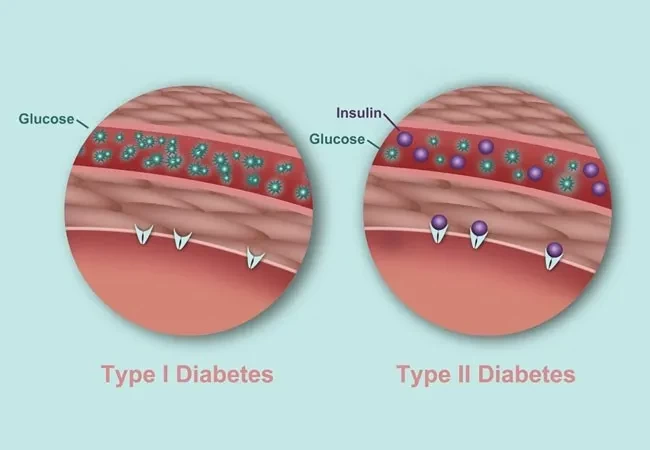
Diabetes exists in several distinct forms, each with different genetic and environmental drivers. Understanding the type is essential before discussing hereditary risk.
Type 1 Diabetes
Type 1 diabetes is an autoimmune condition in which the immune system mistakenly destroys insulin-producing beta cells in the pancreas. It most commonly develops in children and young adults.
Specific gene variants — particularly HLA-DR3 and HLA-DR4 on chromosome 6 — are found in approximately 90% of Type 1 patients, according to research published in the New England Journal of Medicine. Environmental triggers, such as certain viral infections, may activate this genetic predisposition.
Type 2 Diabetes
Type 2 diabetes is the most prevalent form, accounting for over 90% of all diabetes cases globally (WHO, 2023). It is driven by insulin resistance — the body’s inability to use insulin effectively — and is strongly linked to genetic predisposition, body weight, diet, and physical activity.
The TCF7L2 gene variant is the most strongly associated genetic risk factor, influencing insulin secretion and blood sugar regulation. Other implicated genes include PPARG, KCNJ11, and CDKAL1.
How Genetics Influence Diabetes Risk?
Genes Affect Insulin Production and Use
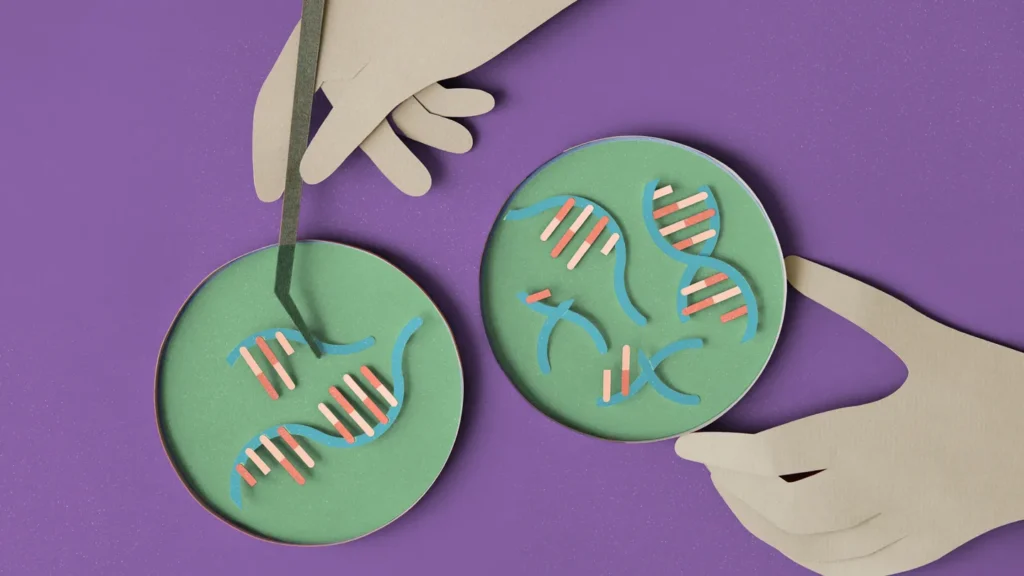
Inherited gene variants can impair how the body produces insulin, how efficiently cells respond to it, or both. In Type 1 diabetes, HLA gene variants dysregulate immune tolerance, triggering autoimmune destruction of beta cells.



In Type 2 diabetes, variants in genes like TCF7L2 reduce insulin secretion efficiency over time, quietly increasing risk before any symptoms appear.
Family History Increases Risk — With Real Numbers
Family history is one of the strongest known risk factors for Type 2 diabetes. If one parent has Type 2 diabetes, your lifetime risk is approximately 40%.
If both parents are affected, that risk rises to around 70%, according to the American Diabetes Association. For Type 1 diabetes, having a mother with the condition raises a child’s risk to roughly 1–4%, while a father with Type 1 raises it to 3–5% (ADA, 2023).
These figures underscore the genetic component — but also show that the majority of at-risk individuals do not inevitably develop diabetes.
Evidence from Twin Studies
Twin studies provide compelling evidence for the genetic basis of diabetes. Research published in Diabetologia found that if one identical twin develops Type 2 diabetes, the other has a concordance rate of 70–90%.
For Type 1 diabetes, that rate is around 30–50%. The fact that concordance is not 100% — even in genetically identical individuals — confirms that environmental and lifestyle factors play an essential co-determining role.
Environmental vs Genetic Factors

Both sets of factors contribute to diabetes, but lifestyle choices often determine whether genetic risk actually becomes disease. The table below summarizes key influences:
| Factor | Environmental Influence | Genetic Influence |
| Diet | High-sugar, processed foods spike blood sugar and promote insulin resistance | Some inherit reduced ability to metabolize sugars efficiently |
| Physical Activity | Inactivity reduces insulin sensitivity and raises blood sugar | Genes influence baseline metabolism and exercise response |
| Body Weight | Obesity is a primary modifiable risk factor for Type 2 diabetes | Certain genes increase tendency to gain or store fat |
| Stress | Chronic stress raises cortisol, which elevates blood glucose | Genetic differences affect cortisol stress response intensity |
| Smoking | Increases inflammation and insulin resistance | Genetic variants influence how the body processes smoking toxins |
While genetics lay the foundation for risk, lifestyle factors — especially diet, exercise, and weight — are the primary levers you can actively control.
Can You Get Diabetes Without a Family History?
Yes. Lifestyle and environmental factors can independently drive diabetes onset, particularly for Type 2. Poor diet, sedentary behavior, obesity, and chronic stress can create insulin resistance even without a genetic predisposition.
In some cases, unknown genetic mutations, hormonal disorders such as polycystic ovary syndrome (PCOS), or medications such as corticosteroids can also elevate risk. Family history is an important indicator — not a prerequisite.
Is Diabetes More Likely From Mother or Father?

A 2022 study published in Diabetologia found that maternal Type 2 diabetes history confers a modestly higher risk to offspring than paternal history.
This is partly due to epigenetic programming during fetal development — the metabolic environment in the womb can influence how a child’s insulin system develops long-term. Exposure to elevated blood sugar in utero may reduce beta cell mass and increase lifetime insulin resistance risk.
That said, paternal genetic contribution is significant: genes from both parents collectively determine polygenic risk. Neither parent’s history should be dismissed.
Can Diabetes Be Prevented If It Runs in Your Family?
Yes — and the evidence for this is strong. The landmark Diabetes Prevention Program (DPP) study, funded by the U.S. National Institutes of Health, enrolled over 3,000 high-risk adults and found that modest lifestyle intervention reduced Type 2 diabetes risk by 58%.
That intervention consisted of just 150 minutes of weekly exercise and a 5–7% reduction in body weight — no extreme measures. Notably, this outperformed metformin drug treatment, which achieved a 31% risk reduction in the same trial.
In practical terms: if you have a strong family history, consistent lifestyle choices are your most powerful tool — more powerful, in many cases, than medication.
Lifestyle Changes That Reduce Your Risk

Adopt a Blood-Sugar-Friendly Diet
Prioritize whole grains, legumes, non-starchy vegetables, lean proteins, and healthy fats. Reduce consumption of refined carbohydrates, sugar-sweetened beverages, and ultra-processed foods. A Mediterranean or low-glycemic diet has strong evidence for reducing insulin resistance and lowering HbA1c levels.
Exercise Consistently
The ADA and WHO recommend at least 150 minutes of moderate-intensity aerobic activity per week, plus two sessions of resistance training. Exercise directly increases GLUT4 receptor activity in muscle cells, improving glucose uptake independent of insulin — a powerful mechanism for risk reduction.
Manage Your Weight
Even a 5–7% reduction in body weight significantly improves insulin sensitivity, as demonstrated by the DPP trial. This does not require reaching an ideal body mass index — modest, sustained weight loss produces measurable metabolic benefits.
Avoid Tobacco and Limit Alcohol
Smoking is an independent risk factor for Type 2 diabetes, increasing risk by approximately 30–40% (CDC). Alcohol in excess disrupts liver glucose regulation and adds excess calories. Quitting smoking and limiting alcohol intake are evidence-based steps for metabolic risk reduction.
Prioritize Sleep and Stress Management
Chronic sleep deprivation (fewer than 6 hours per night) is associated with impaired glucose tolerance and elevated cortisol. Regular mindfulness practice, adequate sleep hygiene, and stress reduction techniques help maintain hormonal balance that supports healthy blood sugar regulation.
When Should You Get Tested?

The American Diabetes Association recommends screening for Type 2 diabetes beginning at age 35 for all adults, and at any age for those who are overweight (BMI ≥25) or have risk factors including family history, high blood pressure, history of gestational diabetes, or a diagnosis of prediabetes.
If you experience warning signs — excessive thirst, frequent urination, unexplained fatigue, or blurred vision — do not delay testing. Early detection of prediabetes allows for intervention before the condition progresses.
Conclusion
Diabetes has a significant genetic component — but your genes do not determine your destiny. The Diabetes Prevention Program and decades of research confirm that targeted lifestyle changes, applied consistently, can reduce risk by more than half, even in genetically predisposed individuals.
Understanding your family history is the starting point. Acting on it — through diet, exercise, weight management, and regular screening — is within your control. For those with strong hereditary risk, early action is not just helpful; it is the most evidence-based strategy available.
Frequently Asked Questions
Can diabetes skip a generation?
Yes. Because Type 2 diabetes is polygenic, not all gene variants are expressed in every generation, and lifestyle factors may prevent expression entirely. The genetic predisposition may still be passed on silently.
Can thin people get diabetes genetically?
Yes. Normal-weight individuals can develop Type 2 diabetes due to inherited insulin secretion defects (particularly TCF7L2 variants) unrelated to body fat. Type 1 diabetes has no association with body weight at all.
Can exercise reduce genetic risk?
Substantially. Exercise increases insulin receptor sensitivity and GLUT4 transporter activity, directly countering the insulin resistance driven by genetic variants. The DPP study showed 150 minutes per week is sufficient to reduce risk by 58% even in high-risk individuals.
Should I get tested if my parents have diabetes?
Yes. The ADA recommends proactive screening if you have a first-degree relative with diabetes. Early testing can identify prediabetes — a reversible state — before it progresses to Type 2 diabetes.
What is the main cause of diabetes?
In Type 1 diabetes, autoimmune destruction of pancreatic beta cells (driven by HLA gene variants and environmental triggers) is the primary cause. In Type 2 diabetes, the main cause is progressive insulin resistance combined with declining insulin secretion — shaped by both genetic predisposition and lifestyle factors.
Is genetic testing useful for predicting diabetes risk?
Increasingly, yes. Polygenic risk scores (PRS) — which analyze hundreds of genetic variants simultaneously — can identify elevated Type 2 diabetes risk before any symptoms develop. Consumer platforms such as 23andMe now include diabetes-related genetic risk reports. However, a genetic risk score is a probability indicator, not a diagnosis. Discuss any results with a physician or genetic counselor before drawing conclusions.
Related Articles
Pain in Big Toe Joint: Causes, Symptoms, and Best Treatments
Does Facial Work for Acne? Benefits, Risks, Types, and What to Expect
Does the Sauna Help With Acne? Benefits, Risks, and What You Need to Know
15 Health Benefits of Soursop Leaves: Nutrition, Uses, Tea Recipe, and Safety Guide
Chelsea Crumpler UNC Health: Career, HR Leadership, and Professional Contributions