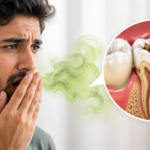
A cavity usually feels like a sudden sting or ache when eating something sweet, hot, or cold, especially in the early stages when the enamel has just started breaking down. As decay moves deeper, the discomfort often shifts from occasional sensitivity to a dull, lingering ache that stays even after the trigger is gone.
Some people also feel pain while chewing or biting down on that specific tooth. In more advanced stages, the pain can become sharp, throbbing, and constant, sometimes spreading toward the jaw or ear.
Interestingly, many cavities cause no pain at all in the beginning, which is why regular checkups matter more than waiting for discomfort. Understanding what does a cavity feel like at each stage helps you catch the problem early, before it turns into something that needs a root canal or extraction.
Early-Stage Cavity Symptoms
In the earliest phase, a cavity rarely announces itself with strong pain; instead, it shows up as subtle changes that are easy to dismiss as normal tooth sensitivity. Recognizing these small shifts early is the best way to stop decay before it spreads further into the tooth.
Mild Sensitivity to Sweet, Hot, or Cold
At this stage, the enamel has thinned just enough to expose the tooth to temperature and sugar sensitivity. You might feel a quick, mild twinge after a sip of cold water or a bite of something sugary. The sensation usually fades within seconds and does not linger, making it easy to overlook.
No Pain at All in the Beginning
It is common for a cavity to exist without causing any pain whatsoever, since enamel itself has no nerve endings. Many people only discover early decay during a routine dental exam or X-ray, long before any symptom appears. This is one reason dentists recommend checkups every six months regardless of how a tooth feels.
Slight Discoloration or Chalky White Spots
Before a visible hole forms, the tooth surface may develop faint white, brown, or chalky patches where minerals have started leaching out. These spots are often flat rather than pitted and can appear on the chewing surface or between teeth. Catching this stage usually allows treatment with fluoride rather than a filling.
Moderate Cavity Symptoms
As decay moves past the enamel and into the softer dentin layer underneath, sensations become more noticeable and harder to ignore. This stage is where most people finally book a dental appointment because daily eating starts to feel uncomfortable.



Sharp Pain While Chewing or Biting
Once decay reaches the dentin, pressure from chewing can trigger a sharp, localized pain in that specific tooth. This happens because dentin contains tiny channels that connect directly to the nerve, transmitting force and temperature more intensely than enamel does. Biting down on hard foods often makes this pain worse.
Lingering Sensitivity After Eating
Unlike the brief twinge felt in early decay, moderate cavities often cause discomfort that continues for a minute or longer after the hot, cold, or sweet trigger is gone. This lingering quality is a key sign that decay has progressed beyond the surface and needs professional attention soon.
Visible Pits, Holes, or Dark Staining
At this point, the damage is usually visible without a dental mirror. You might notice an actual pit, a rough patch, or a dark brown to black stain on the tooth surface. Food can also get trapped in the area, leading to a persistent bad taste or mild odor.
Advanced Cavity or Untreated Decay Symptoms
When decay is left untreated, it eventually reaches the pulp chamber where the nerves and blood vessels of the tooth live. This stage brings the most intense symptoms and often requires urgent dental treatment rather than a routine filling.
Constant Throbbing Toothache
Pain at this stage is usually described as throbbing, pulsing, or pressure-like, and it does not go away with rest. It can worsen when lying down because blood flow increases to the head, and over-the-counter pain relievers may only provide short-term relief.
Pain That Spreads to Jaw or Ear
As inflammation builds around the nerve, pain frequently radiates beyond the tooth itself, reaching the jawline, temple, or ear on the same side of the face. This referred pain can make it difficult to identify exactly which tooth is causing the problem without a dental exam.
Swelling, Bad Taste, or Pus
A persistent bad taste, visible swelling in the gum or face, or the presence of pus are signs that an infection or abscess has formed. This is considered a dental emergency, since untreated infections can spread to surrounding tissue or, in rare cases, become more serious.
Cavity Stages, Symptoms, and Recommended Action
| Stage | Common Feeling | Visible Sign | Recommended Action |
| Early | Mild, brief sensitivity | Chalky white or brown spot | Fluoride treatment, better hygiene |
| Moderate | Sharp pain when chewing, lingering sensitivity | Visible pit or dark stain | Dental filling |
| Advanced | Constant throbbing, pain spreading to jaw/ear | Swelling, discoloration, possible pus | Root canal or urgent dental visit |
| Infected | Severe pain, facial swelling, bad taste | Visible abscess or swelling | Emergency dental care |
Cavity Pain vs. Other Dental Pain
Not all tooth pain comes from cavities, and confusing the source can lead to the wrong home remedy or a delayed visit to the right specialist. Comparing cavity pain with other common causes makes it easier to identify what is actually happening.
Cavity Pain vs. Sensitivity from Gum Recession
Gum recession exposes the tooth root without any decay present, causing a sharp but brief zing, usually near the gumline rather than the chewing surface. Cavity pain, by contrast, is tied to a specific damaged spot and tends to worsen over time rather than staying constant.
Cavity Pain vs. Cracked Tooth Pain
A cracked tooth typically hurts when you release a bite rather than while applying pressure, producing a quick, sharp pain rather than a lingering ache. Cavity-related pain usually intensifies with sustained pressure or prolonged exposure to hot and cold instead.
Cavity Pain vs. Sinus-Related Tooth Pain
Sinus pressure can mimic tooth pain in the upper back teeth, but it usually affects multiple teeth at once and worsens when bending forward or lying down. Cavity pain, on the other hand, is generally isolated to one tooth and triggered by biting or temperature rather than head position.
When to See a Dentist
Waiting too long after symptoms appear allows decay to spread deeper into the tooth, so recognizing the right moment to seek care can prevent more invasive treatment later. Certain warning signs make a same-week or emergency visit necessary rather than a routine appointment.
Warning Signs That Need Urgent Care
Facial swelling, fever, difficulty swallowing, or pain that keeps you awake at night are signs that decay may have reached the nerve or caused an infection. These symptoms should prompt an urgent dental visit rather than waiting for the next scheduled cleaning.
What Happens During a Cavity Diagnosis
A dentist typically examines the tooth visually, uses a small dental instrument to check for soft spots, and takes an X-ray to see decay that is not visible on the surface. This combination confirms both the size and depth of the cavity before recommending treatment.
How Cavities Are Treated?
Treatment depends heavily on how far the decay has progressed, which is why catching symptoms early usually means a simpler, less expensive procedure.
Fillings for Early or Moderate Decay
A filling involves removing the decayed portion of the tooth and replacing it with a durable material such as composite resin. This is the standard treatment once decay has created a cavity but has not yet reached the nerve.
Root Canal for Advanced Decay
When decay reaches the pulp, a root canal removes the infected tissue inside the tooth, seals the space, and typically requires a crown afterward for protection. This procedure relieves the intense pain associated with nerve involvement while preserving the natural tooth.
Extraction as a Last Resort
If a tooth is too damaged to repair, extraction may be recommended, followed by an option such as an implant or bridge to restore chewing function. Dentists generally try to avoid this route unless the tooth structure cannot support a filling or crown.
Preventing Future Cavities
Prevention is far simpler and more affordable than treating advanced decay, and small daily habits make the biggest long-term difference.
Daily Habits That Protect Enamel
Brushing twice daily with fluoride toothpaste, flossing once a day, and avoiding aggressive brushing pressure all help maintain a strong enamel layer. Rinsing with water after sugary or acidic foods also reduces the time bacteria have to produce decay-causing acid.
Diet Changes That Reduce Risk
Cutting back on frequent snacking, sugary drinks, and sticky candies lowers the constant acid exposure that erodes enamel over time. Choosing water over soda and pairing sweets with meals rather than spacing them throughout the day also helps protect teeth.
Recommended Checkup Frequency
Most dentists recommend a checkup and cleaning every six months, though people prone to cavities may need visits every three to four months. Regular X-rays help catch decay between teeth long before any sensation is felt.
FAQs
Can a cavity heal on its own?
No, cavities cannot reverse once a hole has formed, though very early demineralization can sometimes be repaired with fluoride treatment.
Does a cavity always hurt?
Not always; early-stage cavities are often painless and are only discovered during a dental exam or X-ray.
Why does my cavity hurt more at night?
Lying down increases blood flow to the head, which can intensify pressure and throbbing in an already inflamed tooth.
Can a cavity cause headaches?
Yes, advanced decay near the nerve can cause referred pain that radiates toward the jaw, ear, or temple, feeling like a headache.
How fast does a cavity get worse?
Progression varies, but untreated decay can move from enamel to the nerve over several months to a couple of years, depending on oral hygiene and diet.
Conclusion
Cavities move through clear stages, starting with mild, barely noticeable sensitivity and potentially progressing to constant, radiating pain if left untreated.
Paying attention to changes in sensitivity, chewing discomfort, or visible spots on the tooth allows for simpler treatment and helps avoid the more invasive procedures associated with advanced decay. Regular checkups remain the most reliable way to catch a cavity before it starts to hurt at all.
Related Posts
Cloves for Tooth Pain: Does This Home Remedy Work?
How to Heal a Sprained Ankle Fast in 2 Days: What Works
How to Sleep with a Pinched Nerve in a Shoulder Blade?
Why does my stomach hurt when I cough? Causes, warning signs & when to see a doctor