

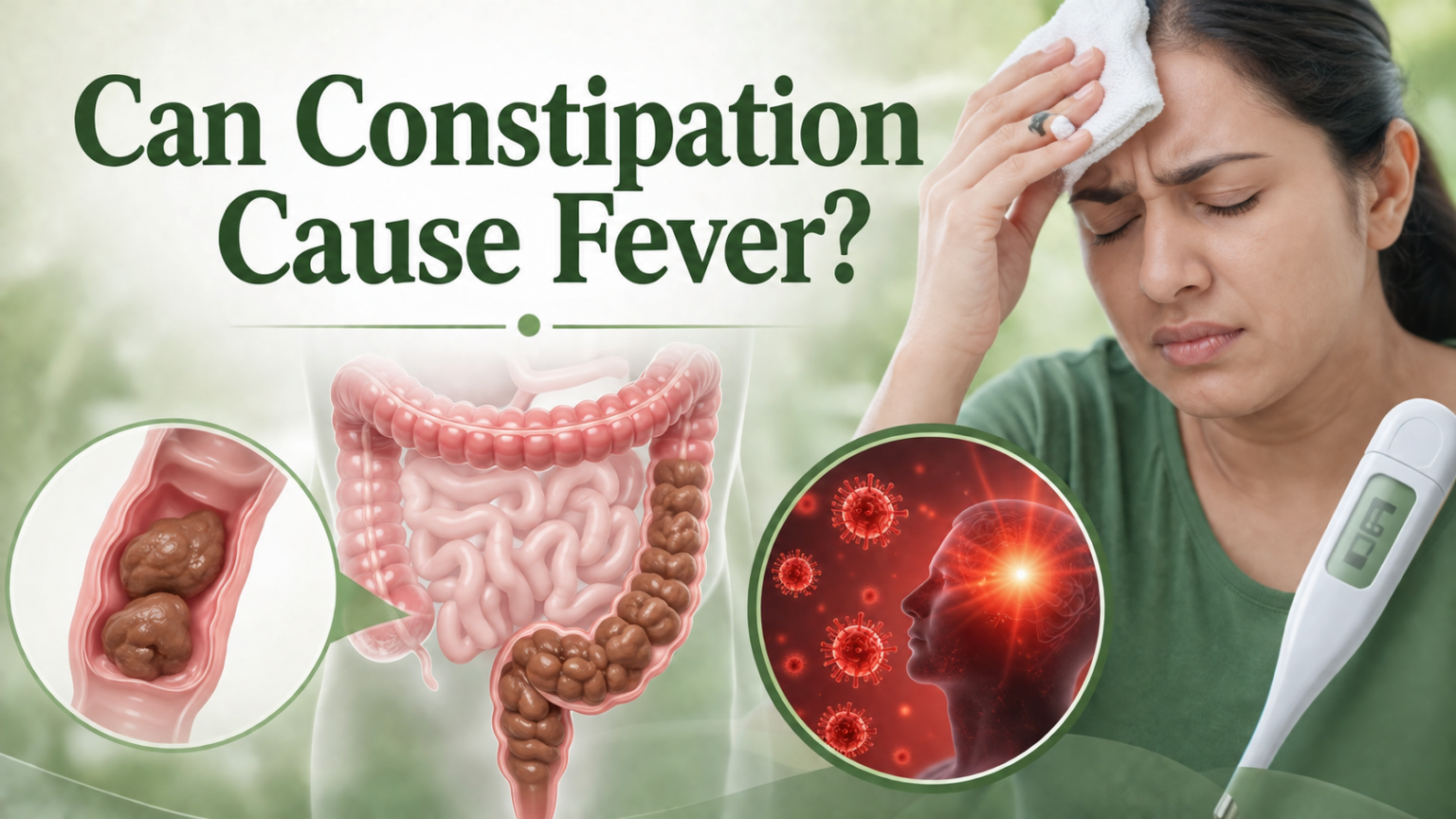
Many people wonder, can constipation cause fever, especially when stomach discomfort lingers for several days without relief. In most cases, ordinary constipation does not raise body temperature on its own, since it is a digestive issue rather than an infection.
However, when constipation becomes severe or prolonged, it can pave the way for complications that do trigger fever. Conditions such as fecal impaction, bowel obstruction, or infections linked to a blocked colon are the real culprits behind the fever.
Understanding this difference helps you know when constipation is simply uncomfortable and when it signals something that needs urgent medical attention. This guide breaks down the connection between constipation and fever, the warning signs to watch for, and the steps doctors take to treat the underlying cause.
Can Constipation Directly Cause Fever?
Constipation on its own is rarely the direct reason behind a rise in body temperature. The sections below explain why fever typically points to something happening beyond simple stool retention.
The Short Answer
No, constipation by itself does not usually cause fever, since fever is the body’s response to infection or inflammation rather than slow bowel movements.
Constipation involves the movement of stool through the colon and does not directly interfere with the body’s temperature-regulating systems.
When fever appears alongside constipation, it is almost always a sign that another process, such as an infection or blockage, has developed.
Why Constipation Alone Rarely Causes Fever
The body regulates temperature through the hypothalamus, which responds to signals from the immune system rather than the digestive tract.



Simple constipation, caused by low fiber intake, dehydration, or inactivity, does not activate this immune response.
Fever only becomes part of the picture once stool retention leads to tissue irritation, bacterial growth, or a mechanical blockage in the intestines.
How Constipation Can Indirectly Lead to Fever
Although constipation itself will not raise your temperature, several complications that stem from long-term constipation can. The conditions below explain how prolonged stool retention eventually results in fever.
Fecal Impaction and Low-Grade Fever
Fecal impaction happens when a large, hardened mass of stool becomes lodged in the rectum or colon and cannot be passed naturally.
This buildup can irritate the lining of the bowel, causing localized inflammation that sometimes produces a mild, low-grade fever.
Elderly individuals and people with limited mobility are especially prone to this complication after days of untreated constipation.
Bacterial Overgrowth in the Bowel
When stool remains trapped in the colon for an extended period, bacteria that normally live in the gut can multiply beyond their usual levels.
This overgrowth may release toxins or trigger a localized infection, prompting the immune system to respond with fever.
This process, sometimes described as stercoral colitis, is one of the more common ways severe constipation is linked to a temperature rise.
Inflammation From Prolonged Straining
Constant straining against hardened stool can create small tears or irritation in the rectal tissue, opening the door for local inflammation or minor infection.
While this rarely causes a high fever, ongoing irritation can produce mild warmth, tenderness, and occasionally a slight temperature elevation.
Left unaddressed, this irritation can worsen and contribute to more serious complications over time.
Underlying Conditions That Cause Both Constipation and Fever
Several digestive conditions present with constipation and fever at the same time, and telling them apart matters for proper treatment. The table below summarizes the most common conditions along with their typical symptoms.
Bowel Obstruction
A bowel obstruction occurs when something physically blocks the passage of stool and gas through the intestines, which can result from severe constipation, scar tissue, or a tumor.
This blockage often causes swelling, pain, and vomiting, and, in more advanced cases, fever if the tissue becomes inflamed or infected. Because a full obstruction can become life-threatening, it requires prompt medical evaluation rather than home treatment.
Diverticulitis
Diverticulitis develops when small pouches in the colon wall become inflamed or infected, often in people who already struggle with chronic constipation.
The condition typically causes lower abdominal pain, tenderness, and a noticeable fever alongside changes in bowel habits.
Antibiotics and dietary adjustments are commonly used to manage mild cases, while severe infections may require hospitalization.
Appendicitis
Appendicitis is the inflammation of the appendix and can sometimes be mistaken for simple constipation in its early stages.
As the condition progresses, patients usually experience worsening pain near the lower right abdomen along with fever, nausea, and loss of appetite.
Because a ruptured appendix is a medical emergency, sudden fever with abdominal pain should never be ignored.
Gastrointestinal Infections
Certain infections of the digestive tract can cause both constipation and fever, particularly when the infection disrupts normal bowel movement and triggers an immune response.
Bacterial or parasitic infections may slow intestinal motility while simultaneously raising body temperature. Identifying the specific organism through stool testing often guides the correct antibiotic or antiparasitic treatment.
Inflammatory Bowel Disease Flare-Ups
People living with Crohn’s disease or ulcerative colitis can experience flare-ups that include constipation, fever, fatigue, and abdominal cramping.
During a flare, inflammation in the digestive tract intensifies, which activates the immune system and raises body temperature.
Long-term management usually involves anti-inflammatory medication prescribed by a gastroenterologist.
Condition Comparison Overview
| Condition | Common Symptoms | Fever Pattern | Medical Urgency |
| Fecal Impaction | Hard stool, bloating, rectal pressure | Low-grade | Moderate |
| Bacterial Overgrowth | Abdominal discomfort, bloating | Mild to moderate | Moderate |
| Bowel Obstruction | Severe pain, vomiting, distension | Moderate to high | High / Emergency |
| Diverticulitis | Lower abdominal pain, tenderness | Moderate | High |
| Appendicitis | Right-sided pain, nausea | High | Emergency |
| IBD Flare-Up | Cramping, fatigue, altered bowel habits | Mild to moderate | High |
Symptoms That Signal a Medical Emergency
Certain warning signs mean constipation has progressed beyond routine discomfort and needs urgent attention. Recognizing these symptoms early can prevent a minor problem from turning into a serious one.
Severe Abdominal Pain
Pain that is sharp, constant, or steadily worsening is different from the mild cramping typically associated with constipation.
This type of pain often indicates pressure buildup, inflammation, or a blockage somewhere along the digestive tract.
If the pain becomes unbearable or is paired with a rigid, swollen abdomen, immediate medical care is necessary.
Vomiting or Inability to Pass Gas or Stool
Being unable to pass gas or stool, especially when combined with vomiting, is a classic sign of a bowel obstruction rather than ordinary constipation.
Vomit that appears greenish, brownish, or foul-smelling can indicate that intestinal contents are backing up. This combination of symptoms should be treated as a medical emergency and evaluated right away.
High-Grade Fever Over 101°F
A fever above 101°F, particularly when paired with constipation, points toward infection or significant inflammation somewhere in the digestive system.
This level of fever is not typical of simple constipation and often accompanies conditions like diverticulitis or appendicitis.
Anyone experiencing this combination should seek prompt medical evaluation rather than waiting for symptoms to resolve on their own.
Blood in the Stool
Blood mixed with stool, or stool that appears black and tarry, can indicate bleeding somewhere in the digestive tract that requires investigation.
When this occurs alongside fever and constipation, it may point toward inflammation, infection, or a more serious underlying condition.
A healthcare provider can determine the source of bleeding through examination and appropriate testing.
How Doctors Diagnose the Cause
When constipation and fever occur together, doctors rely on a combination of physical evaluation and diagnostic testing. This process helps pinpoint whether the cause is a simple impaction or something more serious.
Physical Examination
A doctor typically begins by reviewing your symptoms, medical history, and recent bowel habits before performing a physical exam.
This exam often includes pressing on the abdomen to check for tenderness, swelling, or a palpable mass, along with a digital rectal exam if impaction is suspected.
These initial findings help guide which tests are needed next.
Imaging Tests
Imaging such as an abdominal X-ray or CT scan allows doctors to visualize the intestines and identify blockages, impacted stool, or areas of inflammation.
These scans are particularly useful for confirming a bowel obstruction or locating inflamed pouches in diverticulitis. Imaging results often determine whether treatment can happen at home or requires hospital care.
Blood Tests and Stool Analysis
Blood tests can reveal elevated white blood cell counts, which typically indicate infection or inflammation somewhere in the body.
Stool analysis may be used to detect bacteria, parasites, or blood that would not be visible during a physical exam.
Together, these tests help doctors confirm a diagnosis and choose the most effective treatment plan.
Treatment Options
Treatment depends heavily on what is causing the constipation and fever, ranging from simple home remedies to hospital-based procedures. The right approach is determined after doctors identify the underlying condition.
At-Home Care for Mild Constipation
For constipation without fever or alarming symptoms, increasing fluid intake, eating more fiber, and staying physically active often resolve the issue within a few days.
Over-the-counter stool softeners or mild laxatives can also help move things along when dietary changes are not enough. If symptoms persist beyond a few days despite these efforts, medical evaluation becomes necessary.
Medical Treatment for Fecal Impaction
When fecal impaction is confirmed, doctors may manually remove the stool or use enemas to break down and clear the blockage.
In some cases, oral or rectal medications are prescribed to soften the stool and encourage a bowel movement.
Following disimpaction, doctors often recommend a maintenance plan to prevent the problem from recurring.
When Antibiotics or Surgery May Be Needed
If an infection such as diverticulitis or appendicitis is causing the fever, antibiotics are usually the first line of treatment for milder cases.
More severe infections, ruptures, or complete bowel obstructions may require surgical intervention to remove damaged tissue or clear the blockage.
Hospitalization allows doctors to monitor recovery and prevent complications such as sepsis.
Prevention Tips
Preventing severe constipation reduces the likelihood of complications that could eventually lead to fever. A few consistent lifestyle habits can make a significant difference over time.
Diet and Hydration
Eating a diet rich in fiber from fruits, vegetables, and whole grains helps keep stool soft and easier to pass on a regular basis.
Drinking enough water throughout the day supports healthy digestion and prevents stool from becoming hard and difficult to eliminate.
Limiting processed foods while increasing water intake together create a strong foundation for regular bowel movements.
Physical Activity
Regular movement, even something as simple as a daily walk, helps stimulate the muscles of the digestive tract and encourages more consistent bowel movements.
Sedentary lifestyles are strongly linked to chronic constipation, particularly among older adults and those with limited mobility. Incorporating light exercise into a daily routine can meaningfully reduce the risk of severe constipation.
Recognizing Early Warning Signs
Paying attention to changes in bowel habits, such as going several days without a bowel movement, allows for earlier intervention before complications develop.
Addressing constipation promptly, rather than waiting for it to worsen, lowers the chances of fecal impaction or related infections. Anyone with recurring constipation should discuss the pattern with a doctor to rule out underlying causes.
Frequently Asked Questions
Can constipation cause a low fever in adults?
Yes, but only indirectly, usually as a result of fecal impaction or bacterial overgrowth rather than constipation itself. A low-grade fever paired with constipation should still be monitored closely.
Can constipation cause fever in children?
Constipation rarely causes fever in children on its own, though a hard, retained stool mass can occasionally lead to mild inflammation and a low-grade fever. Persistent fever in a constipated child should be evaluated by a pediatrician.
How long can constipation last before it becomes dangerous?
Constipation lasting more than a week, or accompanied by pain, vomiting, or fever, should be treated as a warning sign rather than something to wait out. Prompt medical evaluation helps prevent complications like impaction or obstruction.
Does constipation cause chills along with fever?
Chills can accompany fever when an infection or inflammatory process is involved, such as diverticulitis or stercoral colitis. Constipation alone, without an underlying complication, typically does not cause chills.
Conclusion
Constipation on its own is not a direct cause of fever, but severe or prolonged constipation can lead to complications such as fecal impaction, bacterial overgrowth, or bowel obstruction that do trigger a fever.
Recognizing symptoms like high fever, severe pain, vomiting, or blood in the stool helps determine when constipation has moved beyond a minor inconvenience. Simple lifestyle changes, including better hydration, fiber intake, and physical activity, can prevent constipation from progressing to this point.