
Every month, millions of people step on the scale and ask the same question: how much weight can I actually lose in 30 days — and how do I do it without destroying my health? The truth is, most people either aim too low and plateau, or aim too high and burn out.
According to guidelines from the CDC and clinical nutrition experts, a safe and sustainable target is 4 to 8 pounds (1.8 to 3.6 kg) per month — achieved through a calorie deficit of 500 to 1,000 calories per day. But the answer is rarely one-size-fits-all.
The answer depends on your starting weight, diet quality, activity level, metabolism, and consistency. In this expert-backed guide, we break down exactly what science says about monthly weight loss — including the calorie math, the best foods and workouts, the risks of going too fast, and the practical habits that separate people who keep the weight off from those who regain it.
What Is a Safe and Realistic Monthly Weight Loss?

A safe and realistic monthly weight loss is 4 to 8 pounds (1.8 to 3.6 kg), based on a steady pace of 1 to 2 pounds per week — the range consistently supported by the CDC, the American College of Sports Medicine, and clinical dietitians.
This pace allows your body to burn primarily stored fat rather than lean muscle, which is critical for long-term metabolic health. A deficit of roughly 500 to 1,000 calories per day — achieved through a combination of diet and exercise — is what drives this rate of loss.
Weight loss naturally varies week to week due to water retention, hormonal cycles, and dietary sodium, but the monthly trend is what matters most. This approach is significantly easier to maintain, reducing the risk of the weight regain that affects up to 80% of people who follow crash diets.
Can You Lose More Than 10 Pounds in a Month?
Yes, losing more than 10 pounds in a month is physically possible — but nutrition experts and physicians strongly advise against it for most people. Achieving this typically requires extreme caloric restriction (often below 1,000 calories per day) or unsustainable exercise loads that the body cannot maintain long-term.
Research shows that rapid weight loss causes the body to shed significant lean muscle mass alongside fat — sometimes at a ratio of 1:1. This muscle loss slows your resting metabolic rate, making it progressively harder to maintain or continue losing weight.

Studies published in the New England Journal of Medicine have also linked very low-calorie diets to a 50% higher risk of gallstone formation. A moderate, consistent approach protects muscle mass and produces lasting results.
Fat Loss vs Water Weight

During the first 7 to 10 days of a caloric deficit, the scale drops quickly — but this is almost entirely water weight, not fat. Here’s the science: your body stores glucose as glycogen in the liver and muscles. Each gram of glycogen binds approximately 3 grams of water. When you reduce carbohydrate or calorie intake, your body depletes these glycogen stores first, releasing that bound water through urine.
This initial water loss can range from 2 to 8 pounds depending on your body size and carbohydrate intake — which is why the first week of any diet looks dramatic. After glycogen stores are depleted, your body shifts to burning stored fat (adipose tissue) for energy.
This true fat-burning phase is slower but far more meaningful. One pound of fat requires burning approximately 3,500 calories more than you consume — setting realistic weekly expectations from the start.
Factors That Affect Monthly Weight Loss
Monthly weight loss is not the same for everyone, as it depends on multiple internal and external factors. Your progress is influenced by how your body responds to diet, activity, and daily habits. Below are some key factors that affect weight loss:
Diet and Nutrition
Your diet is the single most powerful lever in weight loss — accounting for approximately 70–80% of your results, according to exercise physiology research. The quality of calories matters as much as quantity: whole foods like lean proteins, vegetables, legumes, and complex carbohydrates keep you satiated while maintaining a deficit.
Portion control is essential; even ‘healthy’ foods cause fat gain when consumed in excess. Tracking your meals — even loosely — is shown to double weight loss outcomes in controlled studies.
Physical Activity and Metabolism
Exercise amplifies your calorie deficit and preserves muscle mass — both critical for sustainable fat loss. Strength training is particularly valuable because it increases your basal metabolic rate (BMR), meaning you burn more calories even at rest.
A person’s BMR accounts for 60–75% of their total daily calorie burn. Cardio exercise adds to the deficit directly. NEAT (Non-Exercise Activity Thermogenesis) — movement like walking, standing, and fidgeting — can contribute an additional 300 to 500 calories burned daily, often underestimated by dieters.
Lifestyle and Physiological Factors
Sleep, stress, age, hormones, and genetics all significantly influence your rate of fat loss — and these factors are frequently underestimated. Chronic sleep deprivation (less than 6 hours per night) elevates cortisol and ghrelin levels, both of which drive hunger and fat storage — particularly around the abdomen.
A 2022 University of Chicago study found that sleep-deprived dieters lost 55% less fat compared to well-rested participants eating the same diet. Hormonal factors like thyroid function, insulin sensitivity, and estrogen levels also shape how your body responds to a calorie deficit.
Weekly vs Monthly Weight Loss Breakdown
| Time Frame | Safe Weight Loss |
| Per Week | 1–2 lbs |
| Per Month | 4–8 lbs |
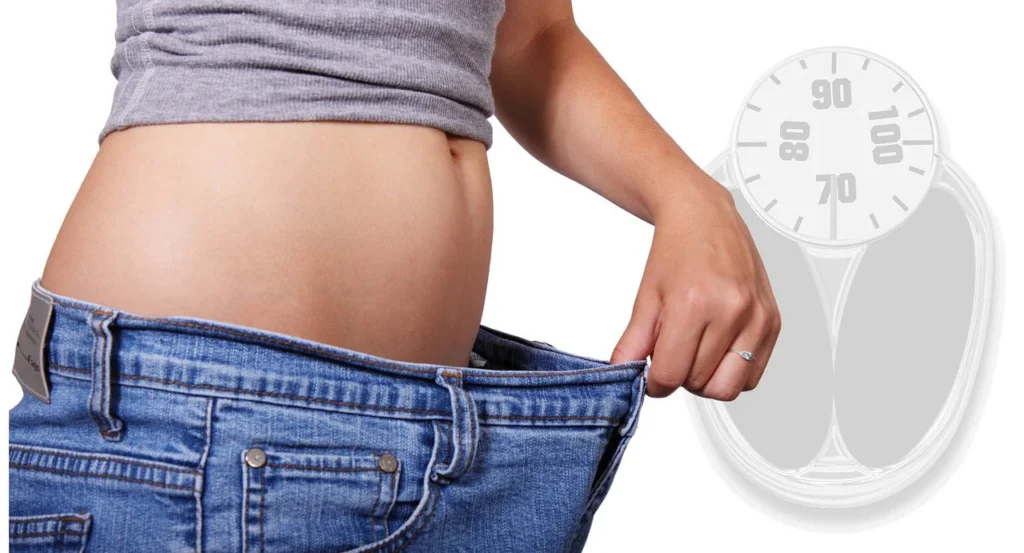
This breakdown shows how consistent weekly progress adds up over time. Losing 1–2 pounds per week creates a steady pattern that leads to 4–8 pounds per month without extreme effort. It also helps maintain balance in your routine, making results easier to sustain. Instead of focusing on quick changes, tracking progress weekly can give a clearer picture of long-term success.
Best Diet Plan for Losing Weight in a Month
A well-balanced diet plan focuses on controlling calories while still providing enough nutrients for your body to function properly. The goal is to create a steady calorie deficit without extreme restrictions, so weight loss remains consistent and sustainable. Below are the key elements to include:
Calorie-Controlled Diet
Managing your daily calorie intake is the foundation of any successful weight loss plan. To lose 1 to 2 pounds per week, you need a daily deficit of 500 to 1,000 calories below your Total Daily Energy Expenditure (TDEE).
Your TDEE is your BMR multiplied by your activity level — you can calculate it using the Mifflin-St Jeor equation, widely regarded as the most accurate formula for most adults.
Rather than skipping meals (which slows metabolism), aim for 3 structured meals plus 1 optional snack, targeting 1,400–1,800 calories for most women and 1,600–2,200 for most men, depending on activity level.
High Protein
Protein is your most powerful dietary tool during weight loss. Research consistently shows that consuming 0.7 to 1.0 grams of protein per pound of body weight per day (approximately 1.6–2.2g/kg) minimizes muscle loss during a calorie deficit — a process called muscle protein synthesis.
Protein also triggers greater satiety hormones (GLP-1, PYY, CCK) than carbohydrates or fat, reducing overall calorie intake naturally. High-protein sources to prioritize: chicken breast (31g protein/100g), Greek yogurt, eggs, lentils, tofu, cottage cheese, and whey or plant protein supplements.
Fiber-Rich Foods
Fiber slows digestion and helps you feel satisfied after meals. It supports healthy digestion and prevents overeating throughout the day. Foods like vegetables, fruits, and whole grains are excellent sources. A fiber-rich diet can make it easier to maintain a calorie deficit.
Hydration
Hydration plays an underappreciated role in weight loss. A 2003 study in the Journal of Clinical Endocrinology & Metabolism found that drinking 500ml of water increased metabolic rate by 30% for approximately 30–40 minutes.
Drinking 500ml before meals reduces calorie intake at that meal by an average of 13%, according to a 2015 randomized controlled trial. Target 35ml of water per kg of body weight daily (approximately 2.5–3.5 liters for most adults), and increase this during exercise or hot weather.
Avoid Processed Sugar
Reducing processed sugar helps lower unnecessary calorie consumption. Sugary foods and drinks provide little nutritional value and can increase cravings. Cutting back on these items supports more stable energy levels. Choosing natural, whole food options makes your diet more effective.
Best Exercises to Maximize Monthly Weight Loss

To maximize monthly weight loss, focus on the following exercises:
High-Intensity Interval Training (HIIT):HIIT is the most time-efficient fat-burning exercise modality available. A 20–30 minute HIIT session can burn 250–450 calories during the workout, plus an additional 50–100 calories in the 2–14 hours afterward through a process called Excess Post-Exercise Oxygen Consumption (EPOC).
A meta-analysis of 13 studies found HIIT reduced total body fat by 28.5% more than moderate-intensity continuous training. Recommended frequency: 2–3 sessions per week to allow adequate recovery.
Strength Training: Each pound of muscle burns approximately 6–10 calories per day at rest, compared to just 2–3 calories per pound of fat. Building or preserving muscle through resistance training therefore permanently raises your metabolic floor.
Research shows that combining strength training with a calorie deficit preserves 93% more lean muscle mass compared to cardio-only approaches. Recommended: 3–4 sessions per week targeting all major muscle groups, using progressive overload — gradually increasing weight, reps, or sets over time.
Cardio (Running or Swimming): Steady, high-calorie-burning activities like running or swimming help create a consistent calorie deficit. These exercises improve endurance and heart health while supporting fat loss. Doing them regularly enhances overall weight loss results.
Common Mistakes That Slow Down Weight Loss
Several common mistakes can slow down your weight loss progress, even if you’re putting in effort. These issues often affect your metabolism, energy levels, and overall consistency. Below are some common mistakes to avoid:
Severe Calorie Restriction
Cutting calories below 1,200 per day (for women) or 1,500 per day (for men) triggers adaptive thermogenesis — your body’s survival response to starvation. In this state, your metabolic rate can drop by 15–30%, hormone production is disrupted (particularly T3/T4 thyroid hormones and leptin), and muscle catabolism accelerates.
This is why people on very low-calorie diets often plateau suddenly despite eating very little — and why the rebound when they resume normal eating is so dramatic. A moderate deficit of 500–750 calories is far more effective and medically safer.
Skipping Protein
Not eating enough protein can lead to muscle loss instead of fat loss. Protein also helps control hunger and keeps you full for longer. Without it, you may experience more cravings and overeating. Including protein in meals supports better results.
Poor Sleep
Sleep deprivation is one of the most overlooked saboteurs of weight loss. When you sleep fewer than 7 hours per night, ghrelin (your hunger hormone) increases by up to 28%, while leptin (your satiety hormone) drops by 18% — a combination that makes overeating nearly inevitable.
Studies show sleep-deprived individuals consume an average of 385 extra calories per day. Poor sleep also elevates cortisol, which promotes abdominal fat storage and reduces insulin sensitivity. Prioritize 7–9 hours of uninterrupted sleep for optimal fat loss.
Over-Relying on Cardio
Doing only cardio without strength training can limit muscle development. Muscle plays an important role in boosting metabolism and calorie burn. Ignoring strength training may slow long-term results. A balanced workout routine is more effective.
Risks of Losing Weight Too Fast

Losing weight too quickly can negatively affect your body and overall health. Rapid weight loss often leads to imbalances that are difficult to maintain long term. Below are some key risks to be aware of:
Severe Muscle Loss
Rapid weight loss can cause your body to break down muscle instead of fat. This reduces strength and slows down metabolism. Losing muscle also affects overall body composition.
Nutrient Deficiencies
Extreme dieting can limit essential vitamins and minerals your body needs. This can impact energy levels, immunity, and overall health. A lack of nutrients may lead to various health issues over time.
Fatigue
Quick weight loss often results in low energy levels throughout the day. Your body may struggle to keep up with daily activities. This can also affect focus and physical performance.
Hair Loss
Rapid weight loss can trigger telogen effluvium — a form of temporary hair loss caused by physical or nutritional stress. This occurs when hair follicles prematurely enter the resting (telogen) phase of the hair growth cycle.
It typically manifests 2 to 4 months after the triggering event (the crash diet), which is why many people don’t connect the shedding to their diet. Deficiencies in iron, zinc, biotin, and protein are the most common nutritional triggers. The condition is reversible once nutrition is restored.
Gallstones
Losing weight too fast increases the risk of developing gallstones. These are small, painful stones that form in the gallbladder. They can cause discomfort and may require medical treatment.
Comparison Table: Safe vs Rapid Weight Loss
| Type | Monthly Loss | Sustainability | Risk |
| Safe | 4–8 lbs | High | Low |
| Fast | 10–15 lbs | Medium | Moderate |
| Extreme | 20+ lbs | Low | High |
Tips to Lose Weight Faster (But Safely)
Losing weight faster can be done safely by focusing on smart, sustainable habits rather than extreme methods. Small, consistent changes in your daily routine can improve results without harming your body. Below are some effective tips to follow:
Increase Protein
Adding more protein to your diet helps control hunger and keeps you full for longer. It also supports muscle maintenance during weight loss. Including protein in each meal can improve overall results.
Walk More
Increasing your daily steps is a simple way to burn extra calories. Walking regularly supports fat loss without putting too much strain on your body. It’s easy to include in your daily routine.
Sleep 7–9 Hours
Getting enough sleep helps regulate hormones related to hunger and appetite. Proper rest also improves energy levels and recovery. Consistent sleep supports better weight loss outcomes.
Manage Stress
High stress levels can lead to overeating and poor lifestyle choices. Managing stress helps maintain balance and consistency. Simple habits like relaxation or breaks can make a difference.
Track Calories
Monitoring your calorie intake helps you stay within your target range. It creates awareness of what and how much you eat daily. Tracking can improve consistency and overall progress.
Conclusion:
Sustainable weight loss is not about willpower — it’s about working with your body’s physiology, not against it. The science is clear: a daily deficit of 500 to 1,000 calories, achieved through a high-protein diet, regular strength training, quality sleep, and stress management, produces 4 to 8 pounds of fat loss per month — results that are both clinically safe and realistically maintainable.
Before starting, calculate your TDEE, set a realistic calorie target, and track your progress weekly rather than daily to account for natural fluctuations. You have the framework. Start today — and measure your success in months, not days.
Note: Always consult with a registered dietitian or your physician before beginning a significant dietary or exercise change.
Frequently Asked Questions
Is it possible to lose belly fat in one month?
Yes — losing noticeable belly fat in one month is achievable, but it requires understanding a key principle: you cannot spot-reduce fat from one area alone. Your body loses fat systemically based on genetics and overall calorie deficit.
That said, visceral fat (the dangerous fat surrounding abdominal organs) responds particularly well to calorie restriction and aerobic exercise.
A 2011 study in Obesity found that subjects who combined diet with aerobic exercise lost 67% more visceral fat than those who dieted alone. Noticeable abdominal changes typically appear after losing 4 to 6 pounds of total body fat.
How long does it take to see visible weight loss results?
Visible weight loss results usually take 4 to 8 weeks of consistent effort, though this varies significantly by individual. Your clothing typically starts fitting differently after 8 to 12 pounds of loss. Friends and family often notice changes between 15 to 20 pounds of loss.
Physically, you may feel changes in energy, sleep quality, and joint comfort before you see dramatic visual differences.
If you are not seeing results after 4 consistent weeks, the most common culprits are: underestimating calorie intake (food tracking studies show people underreport by 20–50%), overestimating exercise burn, or insufficient protein intake.
Can stress affect how much weight I lose in a month?
Yes, stress significantly affects monthly weight loss. High stress can increase cravings and lead to overeating. It may also disrupt hormones that control appetite and fat storage. Managing stress helps improve overall results.
Do cheat meals affect monthly weight loss progress?
Cheat meals can impact monthly weight loss, but mostly only if they turn into frequent high-calorie binges. Occasional flexibility is usually fine when balanced with a healthy routine. The problem arises when portion control is lost. Consistency matters more than occasional indulgence.
Can you lose weight in a month without counting calories?
Yes, it is possible to lose weight in a month without counting calories by focusing on healthy food choices. Eating nutrient-dense, low-calorie foods and controlling portions can naturally reduce intake. Mindful eating habits also support better results. Consistency is key for success.
Related Articles
Chelsea Crumpler UNC Health: Career, HR Leadership, and Professional Contributions
ESG Regulations Food Sector: Complete Guide to Compliance, Sustainability, and Reporting
Abbeville Community Health Center: Services, Programs, Benefits, and Patient Care Guide
Rupa Health Labs: Complete Guide to Features, Testing Services, and Healthcare Innovation
Cancer Misdiagnosis: Causes, Consequences, Prevention, and Patient Rights