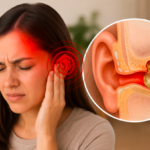
Getting stitches on your head can feel like a major setback, especially if you’re someone who never skips a workout. But before you hit the gym or lace up your running shoes, it’s crucial to understand how physical activity can impact your healing process.
In this guide, we’ll discuss how long you should wait before exercising and answer the burning question — can you workout with stitches on your head?
Understanding Head Stitches
Head stitches, or sutures, are used to close cuts, lacerations, or surgical wounds on the scalp. The scalp has a rich blood supply, which is why even minor wounds can bleed heavily and require proper closure.
Stitches hold the wound edges together, allowing the skin to heal naturally from the inside out. Depending on the severity of the wound, non-dissolvable stitches are typically removed within 7 to 10 days.
Can You Workout With Stitches on Your Head?

The simple answer is no, you should not workout immediately after getting stitches on your head. Physical activity can put stress on the wound and slow down healing.
When people ask can I work out with stitches on my head, doctors usually advise waiting until the wound is fully stable and stitches are removed or dissolved.
Exercising too early increases pressure on blood vessels and can disturb the healing tissue, which may lead to complications.
Risks of Working Out With Head Stitches
Working out with head stitches may seem harmless, but it can lead to serious complications that delay your recovery. Here are the key risks you should be aware of:



- Wound Reopening: Exercise increases blood flow and physical movement, which can put tension on the stitches and cause the wound to reopen. This can lead to prolonged healing time and may require additional medical treatment.
- Increased Bleeding: Intense physical activity raises your heart rate and blood pressure, which can trigger bleeding at the wound site. Since the scalp is highly vascular, even a small amount of extra pressure can cause significant bleeding.
- Infection Risk: Sweating during a workout can introduce bacteria to the wound, significantly increasing the risk of infection. An infected wound can lead to serious complications and may require antibiotics or further medical attention.
- Swelling and Inflammation: Physical exertion can cause swelling around the wound area, leading to increased pain and discomfort. This inflammation can slow down the natural healing process and make recovery more difficult.
- Scarring: Repeatedly stressing a healing wound through exercise can result in poor wound closure, increasing the likelihood of permanent scarring on the scalp.
Types of Exercises to Avoid

When you have stitches on your head, certain exercises can be particularly dangerous for your recovery. Here are the types of workouts you should avoid:
High-Intensity Cardio
Running, cycling, or any form of intense cardio raises your heart rate and blood pressure significantly, increasing the risk of bleeding and wound reopening. These activities also cause heavy sweating, which can introduce bacteria to the wound site.
Weightlifting and Strength Training
Heavy lifting causes you to strain and hold your breath, which spikes blood pressure and puts excessive tension on the stitches. Even moderate weightlifting can be enough to reopen a healing scalp wound.
Contact Sports
Football, basketball, boxing, or any contact sport poses a direct risk of impact to the head. A single blow to the wound area can tear the stitches open and cause serious injury.
Swimming
Submerging your head in water — whether in a pool, lake, or ocean — exposes the wound to bacteria and moisture, dramatically increasing the risk of infection and delayed healing.
Yoga and Stretching
Certain yoga poses that involve bending forward or inverting the body increase blood flow to the head, which can cause throbbing, bleeding, or discomfort around the wound site.
Team Sports
Any team-based activity that involves running, jumping, or physical contact should be avoided, as the unpredictable nature of these sports puts your wound at unnecessary risk.
Avoiding these exercises during your recovery period is essential to ensure your stitches heal properly and without complications.
Safe Activities During Recovery
While strenuous exercise is off the table, there are still some light activities you can do to stay active without putting your stitches at risk.
- Walking:A slow, leisurely walk is one of the safest activities you can do during recovery. It keeps your body moving without raising your heart rate or blood pressure to dangerous levels.
- Light Stretching: Gentle stretching that doesn’t involve inverting your head or straining your body can help maintain flexibility and reduce stiffness during your recovery period.
- Breathing Exercises: Deep breathing and relaxation techniques are completely safe and can actually help reduce stress and promote faster healing by improving oxygen flow throughout the body.
- Low-Impact Arm Movements: Simple, controlled arm movements or light upper body exercises that don’t cause straining or sweating can be performed carefully during recovery.
- Meditation and Mindfulness: While not a physical workout, meditation helps maintain mental wellness during your recovery and keeps you in a positive mindset while you wait to return to full activity.
- Light Household Activities: Simple daily tasks like cooking, light cleaning, or slow-paced errands are generally safe as long as they don’t involve heavy lifting, bending over frequently, or excessive sweating.
Always listen to your body and consult your doctor before engaging in any activity during your recovery period to ensure you are not putting your healing wound at risk.
How Long Should You Wait Before Exercising?
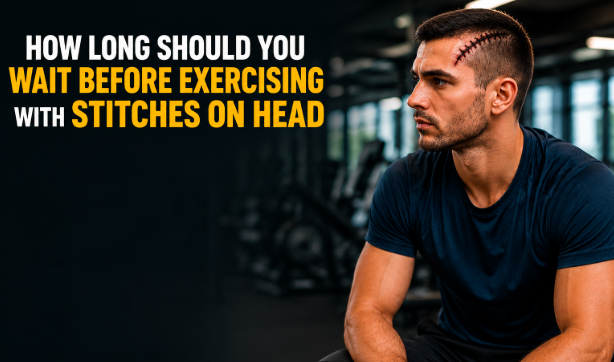
Most doctors recommend waiting at least 7 to 10 days before returning to any form of exercise after getting stitches on your head. This is the minimum time needed for the wound to close properly and for the initial healing process to take place.
However, the exact waiting period depends on the size, depth, and location of the wound, as well as your overall health condition. Always get a clear go-ahead from your doctor before resuming any physical activity to avoid complications.
A general guideline:
- Light walking: after a few days (if no pain)
- Light workouts: after stitch removal
- Full workouts: after complete healing
Signs You Should NOT Exercise Yet
If you notice any of the following symptoms, you should avoid exercise completely:
- Redness or swelling around stitches
- Pain when moving
- Fluid or pus discharge
- Headache or dizziness
- Wound not fully closed
These signs indicate that the wound is still healing and needs more rest.
Aftercare Tips for Faster Healing
Taking proper care of your stitches after the procedure is just as important as the treatment itself. Following the right aftercare routine can significantly speed up your healing process and reduce the risk of infection, scarring, or complications. Here are some essential tips to help you recover faster and get back to your normal routine safely.
Keep the Wound Clean
Gently clean the wound with mild soap and water as directed by your doctor. Avoid scrubbing the area and pat it dry carefully to prevent irritation or infection.
Keep it Dry
Avoid exposing your stitches to excessive moisture, including sweat, rain, or water during showering. Cover the wound with a waterproof bandage when necessary to keep it protected.
Avoid Touching the Wound
Resist the urge to touch, scratch, or pick at your stitches, as this can introduce bacteria to the wound and significantly increase the risk of infection.
Apply Prescribed Ointment
Use any antibiotic ointment or medication prescribed by your doctor regularly. This helps prevent infection and keeps the wound moist for faster and smoother healing.
Eat a Nutrient-Rich Diet
Consuming foods rich in protein, vitamin C, and zinc can significantly speed up the healing process. These nutrients support tissue repair and strengthen your immune system during recovery.
When to See a Doctor?

While most head stitches heal without any major issues, there are certain warning signs that should never be ignored. Knowing when to seek medical attention can prevent a minor complication from turning into a serious health concern. If you notice any of the following symptoms, contact your doctor immediately.
- Increased Redness or Swelling: Some redness around the wound is normal in the first couple of days, but if it spreads or worsens over time, it could be a sign of infection that requires immediate medical attention.
- Excessive Bleeding: If your wound starts bleeding heavily and does not stop with gentle pressure, it is a clear sign that something is wrong and you need to seek medical help right away.
- Signs of Infection: Symptoms like pus, foul odor, increased warmth around the wound, or fever are strong indicators of infection. Do not try to treat these symptoms at home — see your doctor immediately.
- Stitches Coming Loose or Falling Out: If your stitches break, loosen, or fall out before your scheduled removal appointment, visit your doctor as soon as possible to prevent the wound from reopening.
- Severe or Worsening Pain: Mild discomfort is expected during recovery, but severe or increasing pain around the wound site is not normal and should be evaluated by a medical professional without delay.
- Wound Not Healing: If your wound shows no signs of improvement after several days or appears to be getting worse, it is important to consult your doctor to rule out any underlying complications.
FAQs
Can I Wear a Helmet With Stitches on My Head?
Wearing a helmet with head stitches is generally not recommended as it can put direct pressure on the wound, cause irritation, and increase the risk of infection. Wait until your stitches are fully healed before wearing any headgear.
Can I Sleep Normally With Head Stitches?
It is best to sleep with your head slightly elevated on a clean pillow to reduce swelling and prevent pressure on the wound. Avoid sleeping directly on the stitched area to minimize discomfort and irritation.
Can I Wash My Hair With Head Stitches?
You should avoid washing your hair for at least 24 to 48 hours after getting stitches. After that, you can carefully wash your hair with mild shampoo, avoiding direct contact with the wound until your doctor gives the all-clear.
Will Head Stitches Leave a Permanent Scar?
Some degree of scarring is normal after getting stitches, but proper wound care and following your doctor’s instructions can minimize scarring significantly. The scar typically fades over time with proper aftercare.
Can I Drive After Getting Head Stitches?
If your injury was minor and you are not on any pain medication that affects your alertness, you may be able to drive. However, always consult your doctor first before getting behind the wheel after a head injury.
Can I Drink Alcohol While Having Head Stitches?
Alcohol should be avoided during recovery as it thins the blood, increases the risk of bleeding, and slows down the body’s natural healing process. It can also negatively interact with any prescribed medications.
Can I Go Back to Work With Head Stitches?
Returning to work depends on the nature of your job. If you have a desk job, you may be able to return within a day or two. However, if your work involves physical labor or outdoor activity, it is best to wait until your stitches are fully healed.
Conclusion
Understanding recovery after a head injury is very important for safe healing. Asking if I can workout with stitches on my head is common, but the answer depends on patience and proper care.
Avoiding workouts during the early healing phase reduces risks like infection, bleeding, and delayed recovery. Once the wound is fully healed and cleared by a doctor, you can safely return to your fitness routine step by step.
Related Articles
ESG Regulations Food Sector: Complete Guide to Compliance, Sustainability, and Reporting
Abbeville Community Health Center: Services, Programs, Benefits, and Patient Care Guide
Rupa Health Labs: Complete Guide to Features, Testing Services, and Healthcare Innovation
Cancer Misdiagnosis: Causes, Consequences, Prevention, and Patient Rights
Balance Care Health Insurance: Plans, Benefits, Costs, and Enrollment Guide