



Sinus infections often begin with mild symptoms that closely resemble a common cold — but unlike a cold, they can intensify and linger for weeks if left unaddressed. The most common signs of a sinus infection include facial pain or pressure, thick yellow or green nasal discharge, nasal congestion, persistent headaches, and post-nasal drip lasting longer than a week.
Recognizing these symptoms early is the key to managing the condition before it escalates. In this article, we cover every stage — from the first warning signs to severe bacterial infection symptoms — along with a clear comparison against colds and allergies, and practical guidance on when to seek medical care.
Common Signs of a Sinus Infection

Recognizing the signs of a sinus infection early gives you the best chance to treat them before they worsen. Symptoms typically develop gradually — they may feel like a cold in the first day or two, but they last longer, grow more intense, and come with distinct warning signals that set them apart.
Most Common Symptoms
The most noticeable symptoms of a sinus infection affect your nose, face, and head. These typically appear within the first few days and become more pronounced over time:
- Nasal congestion (stuffy nose): Swollen nasal passages make it difficult to breathe through your nose, often worsening at night or when bending forward.
- Thick yellow or green nasal discharge: Discolored mucus is one of the clearest signs of infection — unlike the clear, watery discharge associated with allergies or early colds.
- Facial pressure: A dull or throbbing ache around the nose, forehead, and under the eyes — typically worse when bending forward or lying down due to increased sinus pressure.
- Headache: Pressure-driven pain concentrated around the forehead, behind the eyes, or at the top of the head — distinct from tension or migraine headaches.
- Postnasal drip: Excess mucus draining down the back of the throat causes persistent throat irritation, a chronic cough, and sometimes a hoarse voice — especially noticeable at night.
Other Early Symptoms to Watch For
Beyond the five primary symptoms above, some people also experience reduced sense of smell or taste (hyposmia), bad breath caused by trapped bacteria, mild ear pressure or fullness, fatigue and general malaise, and low-grade fever in the early stages.
These secondary symptoms often accompany the main ones and reinforce that an infection — rather than a simple cold — is present.
What Causes Sinus Infection Symptoms?
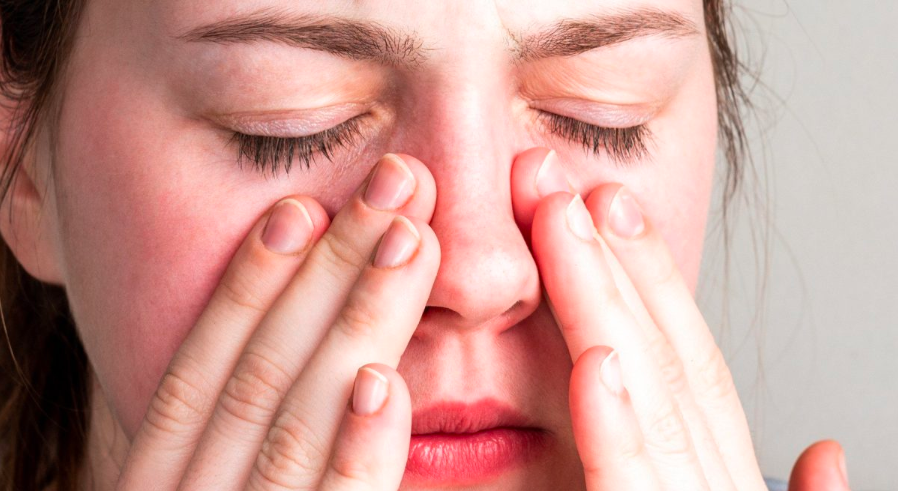
Sinus infection symptoms are caused by inflammation and swelling of the nasal passages, which disrupts the normal flow of mucus. When the sinus linings become irritated — whether from a virus, bacteria, allergens, or environmental irritants — they swell and trap air and mucus inside the sinus cavities.
This blockage creates an ideal environment for bacteria or viruses to multiply, intensifying symptoms over time. Common triggers include viral upper respiratory infections (the most frequent cause), seasonal allergies, nasal polyps, a deviated nasal septum, cigarette smoke, and dry or polluted air.

The longer the inflammation persists without treatment, the more pressure builds — and the more severe the symptoms become.
Severe Sinus Infection Symptoms
A severe sinus infection (sinusitis) goes beyond the usual discomfort — it involves intense, persistent symptoms that disrupt daily life and may signal a bacterial infection requiring medical treatment. Watch for the following warning signs if your symptoms have lasted more than a week or suddenly worsened.
Intense Facial Pain and Pressure
Severe sinus infections produce strong, constant pain across the forehead, around the eyes, and along the cheekbones. This pressure noticeably worsens when you bend forward or lie flat, because these positions increase fluid pressure within the blocked cavities.
Unlike mild sinus discomfort that comes and goes, this pain is persistent and may interfere with concentration and sleep.
Persistent and Severe Headache
A severe sinus headache feels constant and throbbing, spreading across the forehead or deep behind the eyes. It does not respond well to standard OTC pain relievers and doesn’t ease with rest.
If the headache is accompanied by a stiff neck, confusion, or sensitivity to light, seek emergency care immediately — these may indicate a rare but serious complication such as meningitis.
High Fever and Chills
A fever above 102°F (38.9°C) in adults is a strong signal that the body is battling a more aggressive infection — typically bacterial. It is often accompanied by chills, sweating, body aches, and fatigue.
Unlike viral infections that usually cause only a low-grade fever, a high persistent fever in the context of sinus symptoms warrants prompt medical evaluation.
Symptoms Lasting More Than 10 Days
When sinus symptoms persist beyond 10 days with no clear improvement, it strongly suggests the body has not been able to clear the infection on its own. This duration is a standard clinical marker that distinguishes acute sinusitis from a self-resolving viral illness and is typically the threshold at which antibiotic treatment is considered.
Symptoms Getting Worse After Improvement
A pattern clinicians call “double worsening” occurs when you appear to be recovering — symptoms ease for a day or two — and then suddenly worsen again. This is a hallmark sign of a secondary bacterial infection developing on top of an initial viral illness. If you experience this pattern, it is a strong reason to consult a doctor rather than continuing to wait.
Acute vs. Chronic Sinusitis: What’s the Difference?
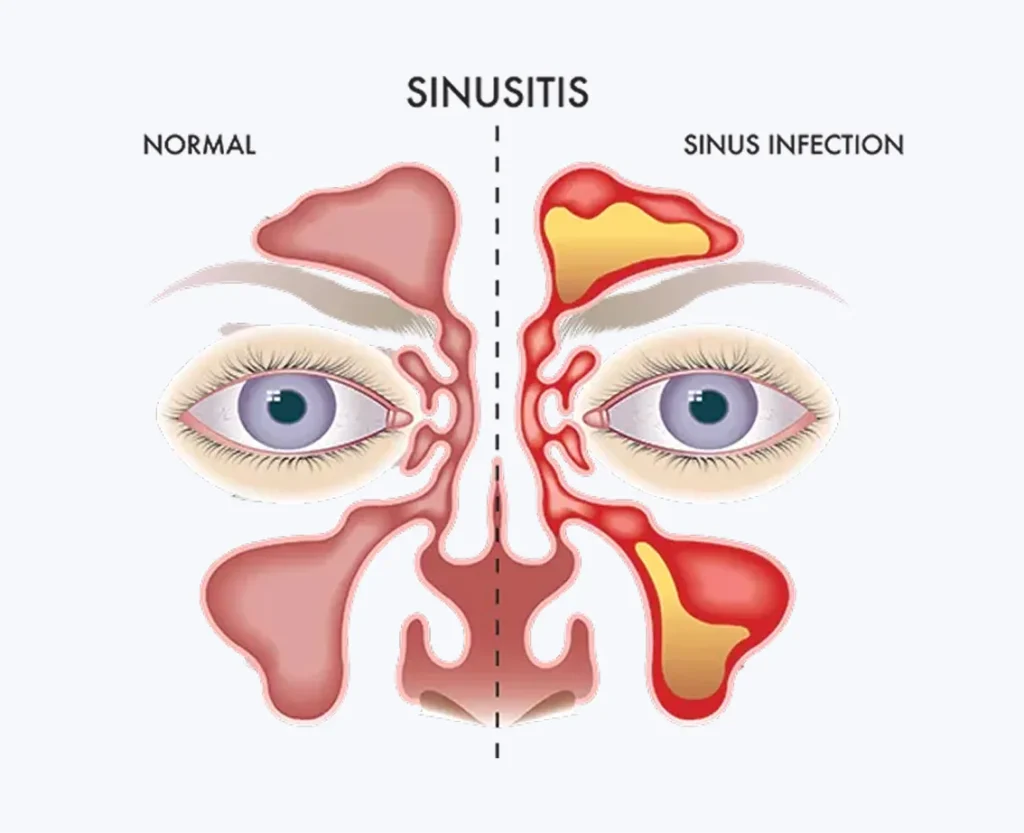
Not all sinus infections are the same. Acute sinusitis is the most common form — it comes on suddenly, usually following a cold or respiratory infection, and resolves within 4 weeks with appropriate care.
Subacute sinusitis lasts between 4 and 12 weeks, while chronic sinusitis persists for 12 weeks or longer, often with milder but unrelenting symptoms like ongoing congestion, post-nasal drip, and reduced sense of smell.
Chronic cases may be linked to structural issues (such as nasal polyps or a deviated septum), persistent allergies, or immune system conditions — and typically require specialist evaluation by an ENT (ear, nose, and throat) physician.
Sinus Infection Symptoms vs Cold vs Allergies
Understanding the differences between a sinus infection, a common cold, and allergies can help you make a more informed decision about when to seek treatment. The table below compares the most distinguishing features:
| Symptom | Sinus Infection | Cold | Allergies |
| Nasal congestion | Severe | Mild | Moderate |
| Facial pain/pressure | Common | Rare | Rare |
| Thick yellow/green mucus | Common | Sometimes | No |
| Fever | Sometimes | Rare | No |
| Itchy eyes/nose | No | No | Yes |
| Sneezing | Rare | Common | Very Common |
| Duration | 10+ days | 5–7 days | Weeks/months |
Signs of a Bacterial Sinus Infection

While most sinus infections are viral and resolve without antibiotics, a bacterial sinus infection requires medical treatment to clear. Knowing the specific signs of bacterial involvement helps you and your doctor decide on the right course of action — including whether an antibiotic prescription is appropriate.
Thick Discolored Mucus
Consistently thick, dark yellow or green mucus — especially when it persists well beyond the first few days — is a reliable indicator of bacterial activity. In viral infections, mucus may briefly discolor but typically clears within 5–7 days. Persistent discoloration alongside facial pain strongly points to bacterial sinusitis.
Fever with Facial Pain
The combination of a measurable fever (above 100.4°F / 38°C) alongside localized facial pain is a clinically significant sign of bacterial infection. Bacteria trigger a stronger immune response than viruses, producing greater inflammation, higher fever, and more intense sinus pressure. This combination should prompt a doctor’s visit rather than continued self-treatment.
How to Treat a Sinus Infection?
Treating a sinus infection depends on its cause and severity, ranging from simple home care to medical treatment. Below, we’ll cover effective ways to manage and relieve a sinus infection step by step.
Home Remedies and Self-Care
Most viral sinus infections can be managed at home. Effective self-care strategies include: rinsing nasal passages with a saline solution (neti pot or spray) to clear mucus; using a humidifier to keep air moist and reduce irritation; applying a warm compress over the face to relieve sinus pressure; staying well hydrated to thin mucus; resting and avoiding strenuous activity; and using OTC nasal decongestant sprays for short-term relief (no more than 3 days to avoid rebound congestion).
Over-the-Counter Options
Several OTC medications can ease symptoms while the infection runs its course: decongestants (pseudoephedrine or oxymetazoline) reduce swelling; antihistamines help if allergies are a contributing factor; pain relievers such as ibuprofen or acetaminophen address facial pain and fever; and corticosteroid nasal sprays may reduce inflammation in recurrent or prolonged cases.
When Antibiotics Are Prescribed
Antibiotics are only effective against bacterial sinus infections — they have no effect on viral ones. A doctor may prescribe antibiotics if symptoms last more than 10 days without improvement, if there is a high fever alongside severe facial pain, or if the “double worsening” pattern is present.
Amoxicillin-clavulanate is the most commonly prescribed first-line antibiotic for bacterial sinusitis. Always complete the full course even if symptoms improve early.
How Long Do Sinus Infection Symptoms Last?
The duration of a sinus infection depends largely on its cause. Viral sinusitis typically resolves within 7–10 days as the immune system clears the infection. Symptoms like congestion and facial pressure peak around day 3–5 and gradually ease after that.
In many cases, noticeable improvement begins within 3–5 days, with full recovery by day 10. However, some residual congestion or mild post-nasal drip can linger for a few additional days. Bacterial sinusitis may last 10–14 days or longer without treatment.
Chronic sinusitis persists beyond 12 weeks and requires a specialist evaluation. If your symptoms are not improving or are actively worsening past day 10, do not wait — seek medical advice.
When Should You See a Doctor?

Knowing when to move beyond home treatment and consult a healthcare provider is critical. See a doctor if: your symptoms last more than 10 days with no improvement; your symptoms initially improve but then suddenly worsen (double worsening); you develop a fever above 102°F (38.9°C); your facial pain is severe and does not respond to OTC pain relievers; or you notice swelling around the eyes or forehead.
Seek emergency care immediately if you experience any of the following: sudden severe headache unlike any you’ve had before; confusion or difficulty thinking clearly; a stiff neck; vision changes or swelling around the eyes; or a high fever above 104°F (40°C).
These symptoms may indicate rare but life-threatening complications such as orbital cellulitis, meningitis, or a brain abscess — all of which require urgent hospital treatment.
Conclusion
Sinus infections are extremely common, but that doesn’t mean they should be taken lightly. Recognizing the signs of a sinus infection early — from mild congestion and facial pressure to severe fever and double worsening — allows you to take the right action at the right time.
Most viral infections resolve within 10 days with proper self-care, but bacterial sinusitis and chronic sinusitis require medical treatment. When in doubt, consult a healthcare provider — catching a sinus infection early is always better than managing a severe or complicated one later.
Frequently Asked Question
Can sinus infections cause tooth pain?
Yes — the maxillary sinuses sit directly above the roots of the upper back teeth. When these sinuses become inflamed and filled with mucus, the resulting pressure can cause a dull, aching pain in the upper molars that closely mimics a toothache.
This pain typically affects multiple teeth rather than a single tooth, and improves as the sinus infection clears.
Is bad breath a sign of a sinus infection?
Yes. Post-nasal drip deposits mucus at the back of the throat, creating an environment where odor-causing bacteria thrive. Additionally, blocked sinuses allow stagnant mucus to accumulate, which develops an unpleasant smell.
Brushing your teeth and using mouthwash provides only temporary relief — treating the underlying infection is what resolves sinus-related bad breath.
Can sinus infections affect your sense of smell?
Yes — reduced or absent sense of smell (hyposmia or anosmia) is a common symptom of sinusitis. Swollen nasal passages block odor molecules from reaching the olfactory receptors at the top of the nasal cavity.
In most cases, the sense of smell returns fully once the infection and inflammation resolve. However, in chronic sinusitis, smell loss can persist and may require steroid treatment or surgery.
Is postnasal drip a symptom of sinus infection?
Yes, and it’s one of the most persistent ones. When the sinuses overproduce mucus, the excess drains down the back of the throat, causing a constant need to clear the throat, a chronic cough (often worse at night), hoarseness, and sometimes nausea. Post-nasal drip can linger even after other symptoms have resolved, as sinus inflammation takes time to fully subside.
Can a sinus infection go away on its own?
Most viral sinus infections do resolve without antibiotics, typically within 7–10 days, as the immune system clears the virus. However, bacterial sinus infections — which account for roughly 2–10% of cases — generally do not resolve without treatment and require antibiotics.
If your symptoms have not improved meaningfully after 10 days, or if they were improving and then suddenly worsened, it is worth seeing a doctor to determine whether antibiotic treatment is needed.
Are sinus infections contagious?
The sinus infection itself is not contagious, but the underlying virus that triggered it (such as the common cold or flu) can be spread to others.
Bacterial sinusitis is generally not contagious. To reduce the risk of spreading a viral illness that could lead to sinusitis in others, wash hands frequently, cover coughs and sneezes, and avoid close contact with people who are immunocompromised.
Related Articles
Cancer Misdiagnosis: Causes, Consequences, Prevention, and Patient Rights
Balance Care Health Insurance: Plans, Benefits, Costs, and Enrollment Guide
Texas Health Surgery Center: Services, Benefits, Insurance, Recovery & Patient Care Guide
Heart Home Health Care: Complete Guide to Services, Care Process, and Benefits
Vege Health Foods: Complete Guide to Products, Benefits, Quality, and Plant-Based Living